Recycling Screening Media: C&D and Mixed Waste Processing
If you’ve ever yanked a completely shredded, wire-tangled screen panel off your C&D recycling plant’s sizing deck after barely a week of operation, right in the middle of a peak construction season rush, you know how quickly weak generic screening media can throw your whole daily sorting workflow into total chaos. Your whole processing circuit grinds to a sudden halt, unplanned overtime maintenance hours pile up fast, and unsorted mixed C&D debris stacks up all around your yard until you can get the broken panel swapped out. I’ve spent plenty of afternoons hanging out, swapping real war stories with plant supervisors across northern China’s busiest urban recycling facilities, and nearly every single one of them admitted they used to grab cheap, generic screen panels hoping to save a little money on upfront purchases — until they sat down and did the full annual cost math, and saw that constant premature panel failures were actually draining three times more of their budget than what they thought they’d saved. I put this practical shop-floor field guide together specifically to cut through all the empty marketing noise, and lay out exactly what actually makes high-performance Recycling Screening Media last through the real chaotic abuse of daily C&D and mixed waste processing.
Heavy Impact Resistant Base Material Absorbs Random Mixed Debris Shock
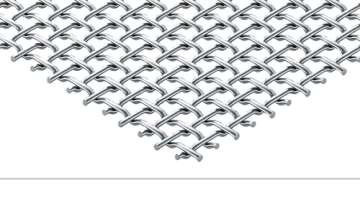
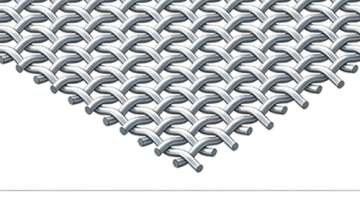
First up, you absolutely need a rock-solid, impact-resistant base material for your panels, because the core structure has to be tough enough to take nonstop unpredictable hits from random, nasty mixed debris — sharp broken concrete chunks, twisted scrap metal, shattered ceramic tile, and all the other unexpected hard objects that show up in unprocessed C&D waste. Regular standard quarry screen mesh simply isn’t built for that kind of total operational chaos, it dents, stretches and tears completely apart after only a few days, and before you know it, oversized sharp junk starts slipping through the ragged gaps in the panel and wrecks your expensive downstream sorting and crushing equipment. The right purpose-built Recycling Screening Media uses a carefully calibrated alloy blend of manganese and chromium, paired with an extra thick section build that absorbs repeated heavy blows from big, gnarly 200mm+ debris chunks without puncturing, tearing or permanently deforming. I’ve seen local recycling yards jump from swapping out shredded screens every single week to getting 6–8 weeks of steady, uninterrupted use out of a single panel — even when processing highly variable mixed demolition waste with zero pre-sorting step at the front of the line.
Anti-Wrap Open Aperture Design Stops Rebar and Long Debris Tangling
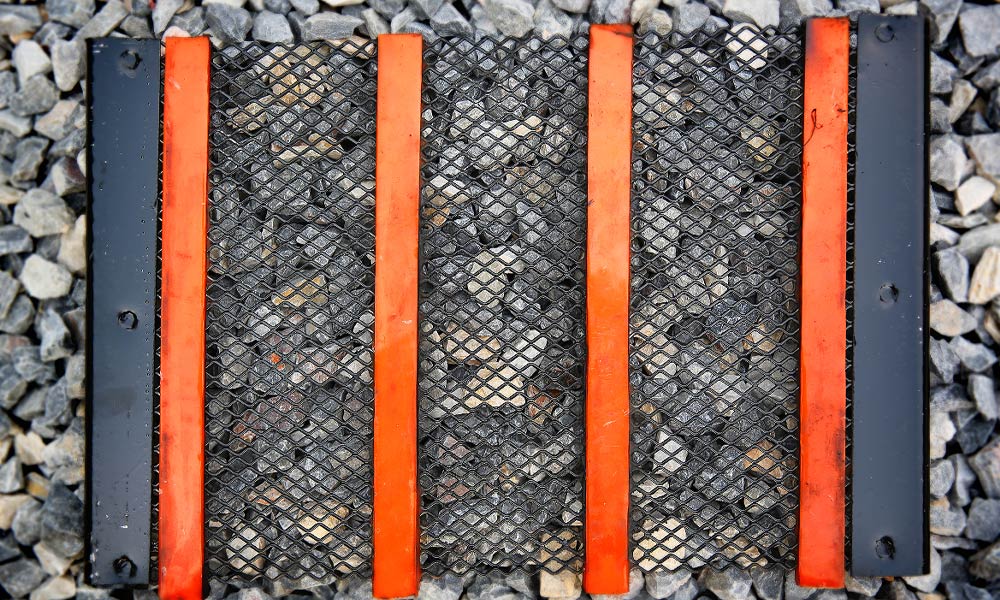
Next, you’ve got to directly deal with the tangling problem that destroys more recycling screen panels than almost any other single failure cause. Long, thin scraps — cut rebar segments, discarded plastic packing straps, splintered wooden planks, loose electrical wire — love to hook onto sharp aperture edges and wrap themselves around regular square or round screen panel openings, building up into a thick tangled mat that rips the whole panel apart under continuous vibration. If your panels just use standard square or round holes, there will always be a sharp corner edge for long thin debris to catch on, and you’ll end up spending hours every shift cutting away tangled messes with bolt cutters just to keep the deck from blinding completely. The simple, game-changing anti-wrap solution comes built into a well-designed Recycling Screening Media: panels with smoothly flared, trapezoidal openings that guide those long thin scraps straight through the aperture before they can get snagged or hook onto any sharp edges.
Abrasion-Resistant Surface Coating Resists Cement Dust and Fine Grit Scouring
The third critical durability factor almost every new recycling plant completely overlooks is fine particle abrasion, the silent slow wear that destroys even thick steel panels long before they ever suffer a single obvious puncture from large debris. Even if no big sharp object ever tears through your screens, ultra-fine sharp particles — fine cement dust, silica sand, crushed brick fines — will act like a continuous sandblaster, scouring uncoated bare steel panels thin and turning them into scrap far faster than you would ever expect. That’s where a fused ceramic-infused polyurethane surface coating comes in, a simple but high-impact upgrade for a premium Recycling Screening Media. This smooth, ultra-tough outer layer shrugs off constant fine abrasive scouring, fills in all tiny surface micro-pits and rough spots, and lets sharp fine grit slide right across the surface without wearing away the base steel underneath. In real field operations, recycling plants using these coated panels saw their total abrasive wear rates drop by half, and their panels wore down smoothly and evenly across the whole deck, instead of blowing out prematurely in random thin weak spots.
Quick-Release Modular Mounting Cuts Downtime During Panel Swap-Outs
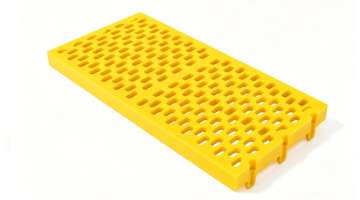
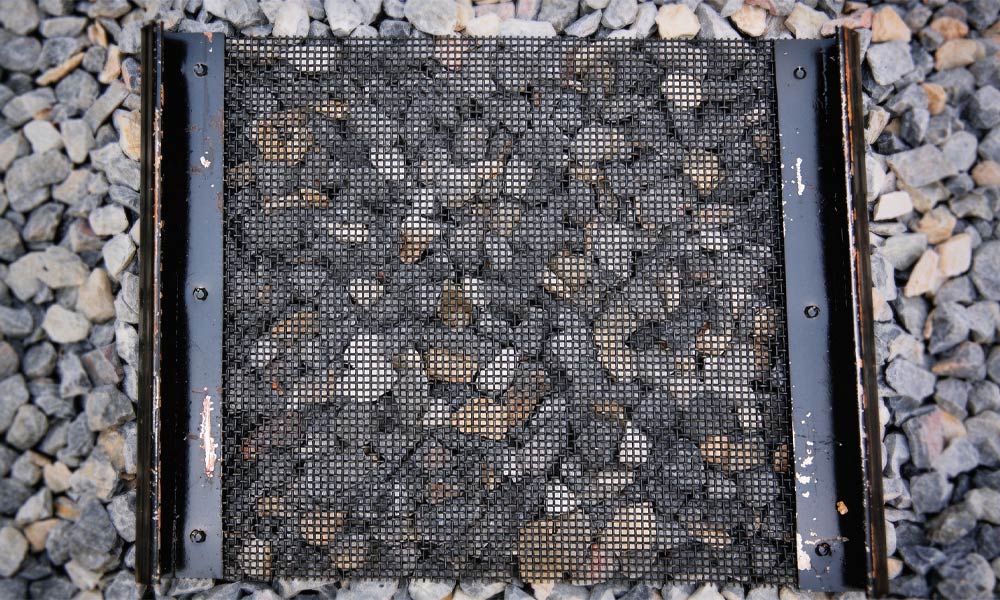
Last but definitely not least, you have to think about the total hidden downtime cost of panel replacement, not just the sticker price of the panels themselves. Old-fashioned full-size one-piece steel panels are extremely heavy, stubborn and hard to work with, swapping them out eats up multiple hours of labor, requires two or more workers with heavy lifting equipment, and once you start the job, half your processing line has to shut down completely until you’re done. Modern modular panels fix this massive pain point completely, a user-friendly feature built into a well-designed Recycling Screening Media. Each individual panel piece is small, light, and locked in place with simple quick-clamp fasteners, so a single maintenance worker can replace one worn or damaged panel in under 20 minutes — no special heavy gear, no full line shutdown required. Recycling plants that made the full switch to this modular system cut their total panel swap-out downtime by over 80%, no more long half-shutdowns of the whole line just to replace a few small worn panels.
The bottom line is simple: when you match your screening media to your plant’s real-world operating needs — with heavy-duty impact-resistant materials, anti-tangle trapezoidal aperture design, abrasion-proof ceramic coatings, and fast quick-release mounting systems — you’ll stop wasting money on constant premature replacements, minimize unplanned downtime, and keep your C&D and waste recycling line running strong and steady all construction season long.