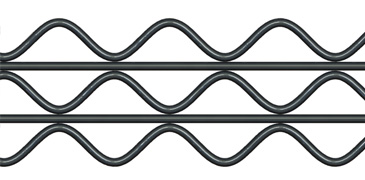
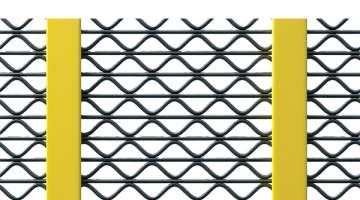
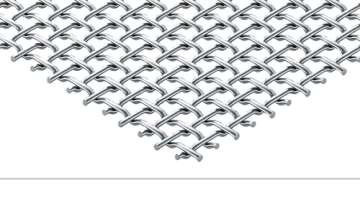
Rubber Screen Mesh for Wet Screening and Sticky Moist Feed
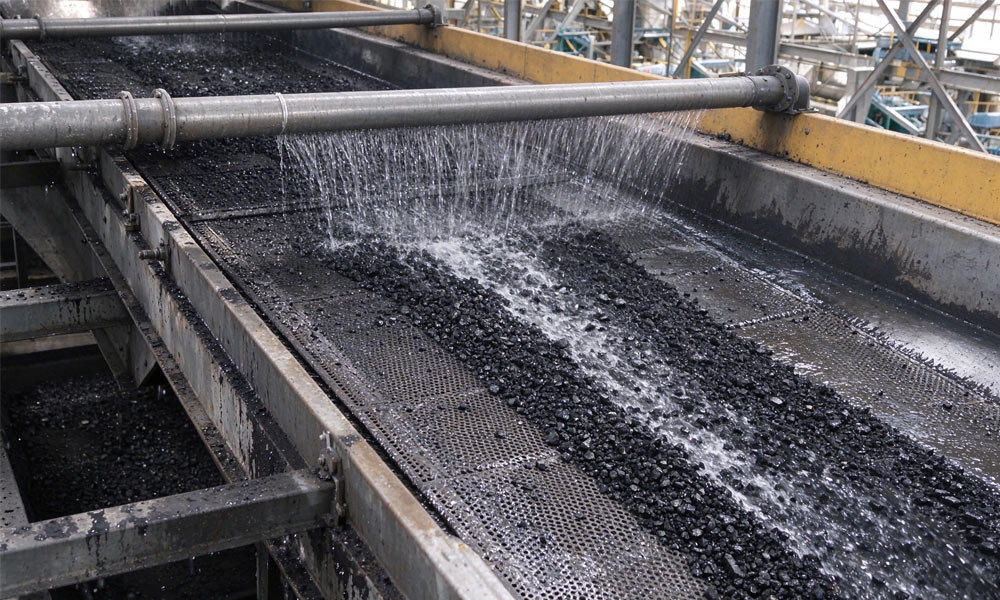
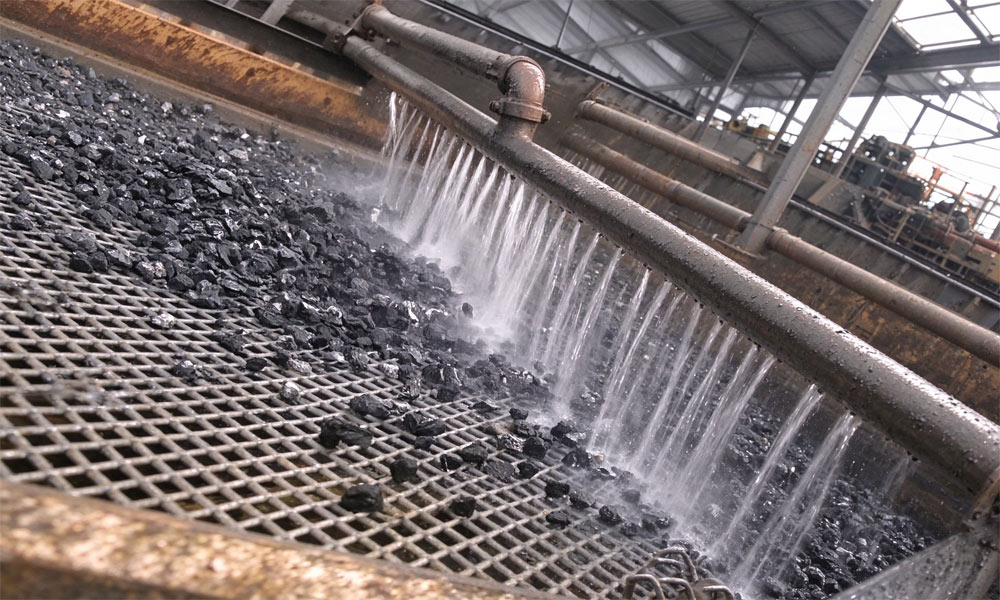
Wet screening operations in quarries, mineral processing plants, and sand production lines face one of the most frustrating, productivity-killing challenges in the whole industry: sticky moisture-laden near-size particles that wedge into rigid apertures, clog the deck solid, and force constant unplanned production stops to clear blockages. Rubber Screen Mesh is purpose-built to solve this exact widespread pain point, engineered from the ground up to thrive in high-moisture conditions that would turn traditional metal woven mesh completely unusable in a matter of hours. These are not generic low-performance rubber panels built for dry low-abrasion applications, they are wet-duty optimized screening media designed specifically to shed sticky wet material, stay open, and keep throughput consistent even in the wettest, muddiest operating conditions. This article breaks down how their flexible apertures actively prevent clogging, their non-stick surface stops wet material build-up, their high-traction surface keeps wet material moving steadily, and how these benefits deliver massive gains in uptime for wet screening operations.
Flexible Tapered Apertures Actively Dislodge Clogging Particles
Flexible tapered apertures actively dislodge clogging particles, because Rubber Screen Mesh does not have the rigid straight-sided openings that let wet sticky near-size particles lock themselves permanently in place. The molded openings are slightly wider on the underside of the mesh than they are on the top feed surface, and every single wall of the aperture flexes slightly with every small vibration cycle the deck makes. Any wet soft particle that tries to wedge itself into the opening gets gently squeezed and shaken free by the flexing rubber walls, before it can lock into place and create a permanent blockage. Unlike rigid metal apertures where once a particle is wedged in it will never come loose until a worker manually knocks it out, these flexible rubber openings actively push lodged particles free on their own, so the mesh maintains a high consistent open area across its entire service life. Many wet screening operations that make the switch report that total clogging related downtime drops by more than 70% almost immediately after installation.
Non-Stick Rubber Surface Prevents Wet Material Caking And Build-Up
Non-stick rubber surface prevents wet material caking and build-up, because Rubber Screen Mesh has a smooth, low-friction, slightly hydrophobic working surface that wet clay, silt, and mud cannot easily stick to. Traditional metal woven mesh has a rough, porous surface with tiny gaps between every individual wire that gives wet sticky material thousands of places to lock onto, slowly building up a thick solid caked layer that covers most of the deck surface and completely blocks all apertures. The smooth continuous rubber surface has none of these tiny gaps, so wet sticky material cannot find any anchor points to stick to, and any stray mud that does land on the surface slides off easily under normal deck vibration. This means the mesh never develops that thick hard caked layer that used to force operations to shut down completely for hours to manually scrape and wash the deck clean, even after days of processing extremely high-moisture sticky feed material.
High-Traction Working Surface Keeps Wet Material Flowing Steadily
High-traction working surface keeps wet material flowing steadily, because Rubber Screen Mesh delivers just the right amount of controlled surface friction that stops slippery wet fine material from sliding and bouncing across the deck without ever making contact with the apertures. On a smooth wet metal mesh deck, slippery water-lubricated fine material will often slide across the surface too fast, skipping right over thousands of openings and riding all the way to the discharge end without ever getting screened properly. The slightly textured high-traction rubber surface slows this slippery wet material down just enough, keeping it in steady controlled contact with the deck for far longer, so every single fine particle gets multiple chances to pass through an aperture before it moves down the deck. This drastically cuts the amount of misplaced fine material that bypasses the screening process completely, pushing total wet classification efficiency up by 20% or more compared to traditional wet metal mesh.
Corrosion-Resistant Rubber Eliminates Rust Related Blockages
Corrosion-resistant rubber eliminates rust related blockages, because Rubber Screen Mesh does not react with water, acidic mine drainage, or dissolved mineral salts in wet slurry the way unprotected steel mesh does. Over time, traditional steel wet mesh develops a thick rough layer of rust across every wire and around every aperture, which traps fine wet particles, accelerates clogging, and makes the whole deck surface far stickier for wet material. The fully non-corrosive rubber never develops any rust at all, so its smooth non-stick performance never degrades even after months of constant submersion in wet slurry and corrosive process water. This means the mesh maintains its full anti-clogging performance all the way through its entire long service life, instead of getting progressively worse at shedding wet material as it rusts and wears, the way traditional steel wet mesh always does.
Wet screening operations no longer have to accept constant clogging, caking, and lost throughput as an unavoidable consequence of processing high-moisture sticky feed material, and rubber screen mesh is the simple, direct upgrade that solves almost all these long-standing pain points. Its flexible tapered apertures actively dislodge clogging particles automatically, its non-stick surface prevents thick wet caked material from building up across the deck, its high-traction texture keeps slippery wet material flowing steadily for better classification, and its fully corrosion-resistant material never develops rust that makes clogging even worse. For extremely heavy high-impact wet scalping duties handling large oversized rock, reinforced perforated plate media will still be the more durable choice, but for almost all fine wet sizing, dewatering, and sticky material screening applications, these rubber meshes deliver a level of anti-clogging performance that traditional metal mesh can never match.