Heavy-Duty Rubber Screen Media for Mining Processing
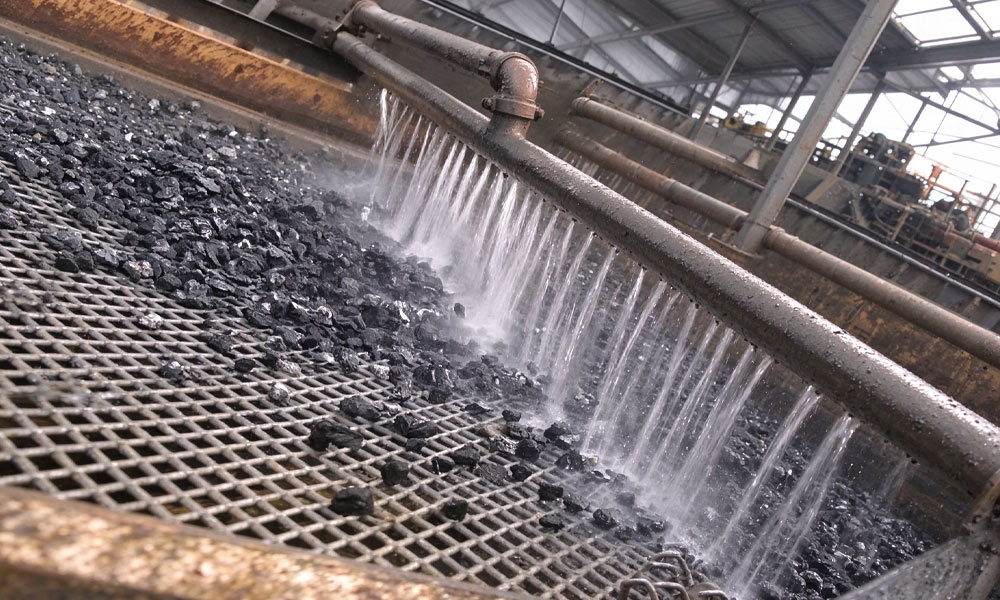
Mining operations around the world spend a huge amount of their maintenance budget on screening media consumables, constantly replacing worn out steel mesh that fails prematurely under the extreme impact, sharp abrasive ore flow, and non-stop 24/7 operation that defines modern high-tonnage mining sites. Rubber Screen Media has emerged as a far more durable, long-lasting alternative to traditional steel screening consumables, engineered specifically to survive the unforgiving conditions of mining processing circuits without the frequent catastrophic failures that force costly unplanned shutdowns. These are not lightweight general-purpose rubber screens built for low-stress aggregate work, they are heavy-duty mining-grade consumables built to deliver maximum possible service life even under the harshest operating conditions. This article breaks down how their abrasion resistant rubber compound extends wear life dramatically, their reinforced structure prevents sudden tear failure, their modular design cuts media replacement downtime, and how they reduce total long-term operating costs for mining processing plants.
Abrasion-Resistant Rubber Compound Extends Wear Life Dramatically
Abrasion-resistant rubber compound extends wear life dramatically, because Rubber Screen Media uses a custom blended mining-grade rubber formulation that is far more resistant to constant scouring from sharp hard ore particles than standard high-carbon steel mesh. The specially formulated rubber is engineered to resist surface abrasion from thousands of tons of sharp blasted ore flowing across the deck every single day, wearing down slowly and evenly across the full surface of the panel instead of developing deep localized grooves and holes that punch straight through steel mesh in weeks. Most mining operations that switch over report that these rubber panels deliver 3 to 6 times longer total service life than traditional steel mesh on medium and fine sizing decks, which means you need to order and stock far fewer screening media spares every year. This cuts down on spare part inventory costs, reduces the amount of working capital tied up in your consumables stock, and eliminates all the logistics hassle of arranging frequent urgent shipments of replacement screening media to a remote mine site.
Embedded Reinforcement Layer Prevents Sudden Catastrophic Tear Failure
Embedded reinforcement layer prevents sudden catastrophic tear failure, because Rubber Screen Media does not rely on rubber alone to resist the extreme dynamic stress of heavy mining operation. The best mining-grade panels have a high-tensile multi-layer synthetic fabric or steel cord reinforcement core fully embedded inside the rubber matrix, creating a continuous strong load-bearing skeleton that runs across the entire area of every panel. Even if a sharp edge on a large ore lump does somehow manage to cut through the outer rubber surface, the internal reinforcement layer stops the tear from spreading any further across the panel, so you never end up with a huge gaping ripped section of the deck that forces an immediate total plant shutdown. Small local surface damage stays small and fully localized, giving your maintenance team plenty of time to schedule a panel change during the next planned routine maintenance break, instead of scrambling to fix a sudden unexpected total deck failure in the middle of a busy production shift.
Modular Panel Layout Cuts Media Replacement Downtime Sharply
Modular panel layout cuts media replacement downtime sharply, because Rubber Screen Media uses small individual modular panels that lock directly into the existing vibrating screen deck frame with heavy-duty reinforced mounting inserts moulded straight into the rubber. Unlike full-size steel mesh panels that need two maintenance workers to stretch, tension, and secure across the full deck for hours, these small modular units can be unclipped and replaced one at a time without any specialized tensioning tools, hot work welding, or complicated on-site fabrication. A full deck media change that would normally take a full maintenance team 4 to 5 hours to complete with traditional steel mesh can be finished in less than 90 minutes with these modular rubber panels. This drastically cuts the amount of lost production time that your mine loses every time you need to replace worn screening media, an enormous advantage for remote mining sites where every single hour of lost production costs thousands of dollars in lost revenue.
Consistent Long-Term Performance Reduces Total Operating Cost
Consistent long-term performance reduces total operating cost, because Rubber Screen Media delivers such a long predictable service life that your process team can accurately plan and schedule all media replacement work months in advance, during pre-planned maintenance windows. You do not get the unpredictable random early failures that come with low-quality steel mesh, where some panels wear through in a few days and others last far longer, forcing constant unplanned inspections and emergency replacements. The long service life also means your site spends far less total man-hours on screening media inspection, maintenance, and replacement work, freeing up your small maintenance team to focus on far more critical high-priority equipment tasks. When you add up all the savings from fewer spare parts, less lost production, and far less maintenance labor, the total cost of owning these rubber panels ends up being far lower than constantly buying and replacing cheap short-life steel mesh.
Mining operations no longer have to accept extremely short screening media service life and frequent unplanned deck failures as an unavoidable cost of running a high-tonnage processing plant, and rubber screen media delivers a step change improvement in service life that completely redefines what you can expect from a screening consumable. Its specialized abrasion resistant rubber compound delivers far longer wear life than steel mesh, its embedded internal reinforcement eliminates sudden catastrophic tear failures, its modular layout cuts media change downtime down to a small fraction of what it used to be, and all these benefits combine to drastically reduce your total long-term screening media operating cost. For extremely heavy primary scalping decks handling very large boulders over 50kg, heavy manganese steel mesh will still be the better choice, but for almost all secondary, tertiary, fine sizing, and dewatering mining duties, these long-life rubber panels deliver total operating value that traditional steel screening consumables simply cannot match.