Rubber Screen Mat for Fine Dewatering and Particle Classification
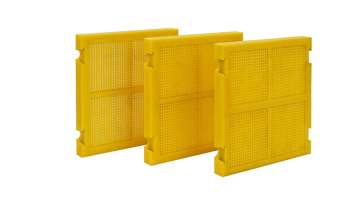
Fine material dewatering and precise particle classification is one of the most finicky, high-friction duties in aggregate processing, mineral recovery, and tailings management, where even tiny inconsistencies in screening media performance can leave your final product too wet, ruin your carefully controlled particle gradation, and create massive downstream processing headaches. Rubber Screen Mat is purpose-built to handle this exact delicate, high-precision work, balancing fast free water drainage with sharp, consistent particle separation far better than traditional fine wire mesh or perforated plate media. These are not the thick heavy rubber panels built for heavy-duty scalping work, they are precision-engineered fine-duty screening media optimized specifically for the unique challenges of fine particle processing. This article breaks down how their high open-area design accelerates fine slurry dewatering, their precision moulded apertures deliver sharp classification, their non-stick surface prevents fine particle build-up, and their flexible structure reduces fine material bounce to improve overall process efficiency.
High Open-Area Design Accelerates Fine Slurry Dewatering
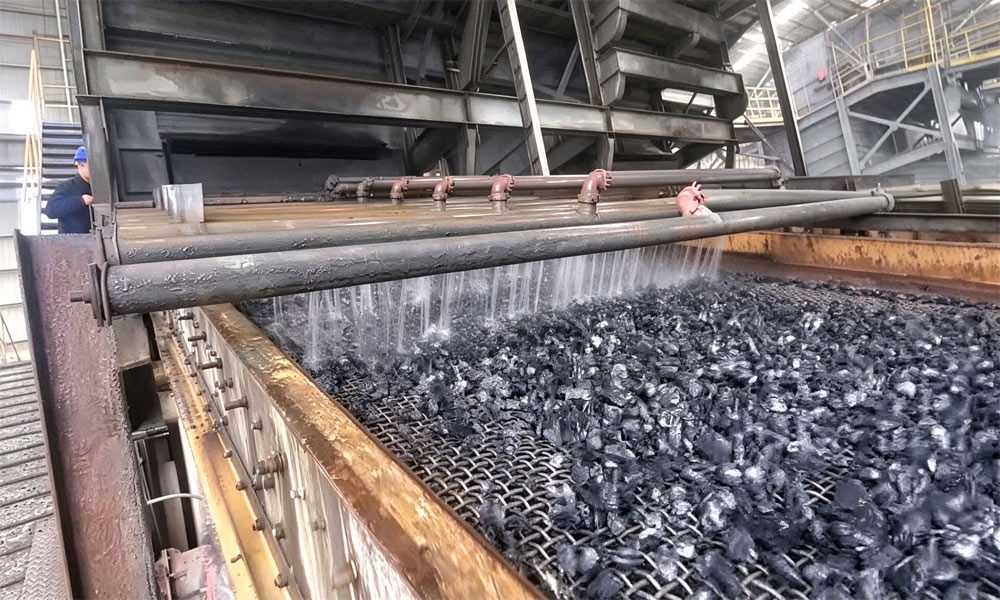
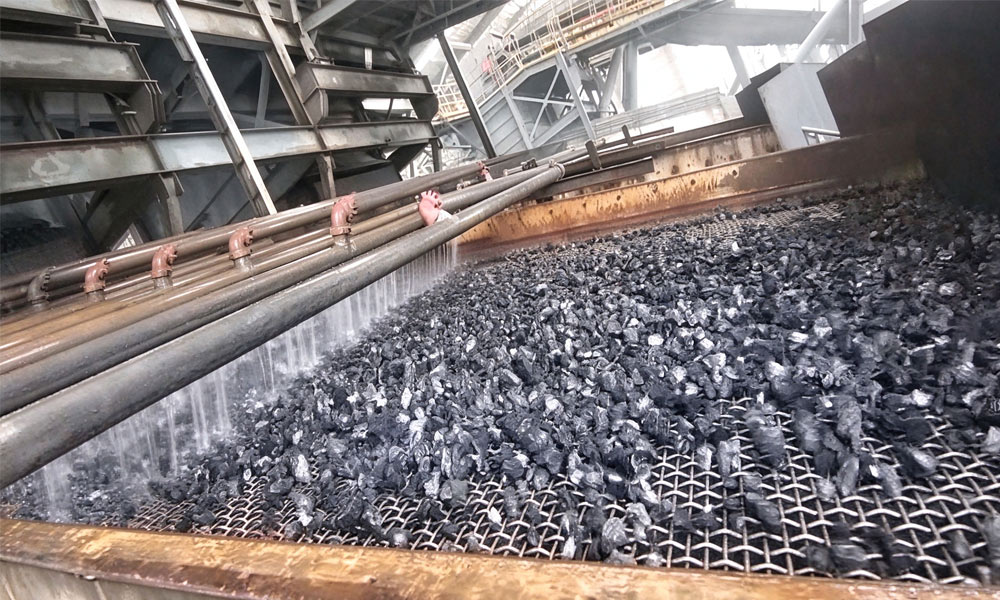
High open-area design accelerates fine slurry dewatering, because a Rubber Screen Mat can be engineered to deliver a far higher consistent usable open area than fine metal woven mesh that clogs up almost immediately under fine slurry flow. The smooth, precisely spaced moulded apertures create unobstructed drainage paths that let free water flow through the deck extremely quickly, instead of getting trapped on the surface of the screen and carrying fine particles off the discharge end with the water flow. Unlike fine metal mesh where the tiny wires create huge amounts of surface tension that holds water on the deck, the slightly hydrophobic rubber surface breaks that surface tension, letting water drain completely through the apertures in a matter of seconds. Many operations report that switching to these mats can cut the final moisture content of their dewatered fine sand or mineral concentrate by 2 to 4 percentage points, eliminating a huge amount of extra drying work that would otherwise be required downstream.
Precision Molded Apertures Deliver Sharp Consistent Classification
Precision molded apertures deliver sharp consistent classification, because a Rubber Screen Mat can be manufactured with perfectly uniform, dimensionally stable openings that never shift or deform even after thousands of hours of continuous fine material processing. Unlike fine woven wire mesh that can stretch, warp, and change aperture shape over time, the molded rubber openings stay exactly the same size and shape for their entire service life, so your cut point never drifts unexpectedly out of specification. Every single fine particle that is larger than your target separation size gets reliably retained on the deck, while every particle smaller than the opening passes through cleanly, with almost no misplaced material that would contaminate your final product. This level of classification consistency means your process team never has to constantly readjust deck angle, vibration frequency, or feed rate to compensate for drifting media performance, making the entire fine classification process far more stable and predictable.
Non-Stick Rubber Surface Prevents Fine Particle Build-Up
Non-stick rubber surface prevents fine particle build-up, because a Rubber Screen Mat has a smooth, low-friction working surface that does not let fine sticky clay, silt, or high-moisture mineral particles stick and accumulate across the deck. The rough surface of fine metal mesh traps fine particles in the gaps between wires, slowly building up a thick caked layer that covers most of the open area and kills both dewatering and classification performance. The smooth flexible rubber surface has nowhere for these fine sticky particles to lock onto, and the constant small flexing movement of the mat shakes any stray accumulated material free before it can build up into a thick solid caked layer. This means the mat maintains its full design performance for far longer between cleanings, and your process team does not need to stop production regularly to scrape and wash caked fine material off the screening deck.
Flexible Deck Surface Reduces Fine Material Bounce
Flexible deck surface reduces fine material bounce, because a Rubber Screen Mat creates a soft, yielding working surface that does not launch fine light particles high into the air on every vibration cycle like a rigid steel deck does. On a rigid metal screen, fine low-mass particles bounce wildly across the deck, skipping over apertures completely and riding all the way to the discharge end without ever getting a chance to pass through the openings. The slightly flexible rubber surface absorbs the small impact of these fine particles, keeping them in steady controlled contact with the deck surface for far longer, so every particle gets multiple chances to pass through an aperture before it moves down the deck. This drastically reduces the amount of misplaced fine material that escapes classification, pushing total fine recovery rates up by a significant margin and making sure far less valuable fine product ends up wasted in the wrong product stream.
Fine material dewatering and particle classification operations no longer have to settle for the slow drainage, drifting cut points, constant build-up, and lost fine material that comes with traditional fine metal mesh, and rubber screen mat solves every single one of these persistent pain points with a simple, direct media upgrade. Its high open-area hydrophobic design delivers far faster fine slurry dewatering, its precision molded apertures maintain a perfectly consistent sharp classification cut point, its smooth non-stick surface stops fine particle caking and build-up, and its flexible working surface eliminates fine material bounce to boost total recovery. For extremely fine sub-micron separation duties that require specialized filter media, these mats will not be the right choice, but for almost all fine sand, mineral concentrate, and tailings dewatering and classification applications, they deliver a level of consistent high-performance operation that traditional fine metal mesh simply cannot match.