Rubber Screen Deck Panels for Manufactured Sand Production
Sand production operations run on tight, unforgiving margins, where even small unexpected drops in screening efficiency, unplanned downtime, or excess wear on your vibrating screen frames can eat straight into your profit margins faster than almost any other part of the process. Rubber Screen Deck Panels are purpose-engineered to integrate seamlessly with almost every standard vibrating screen frame design used in modern sand production lines, solving a whole set of persistent pain points that traditional steel woven mesh has never been able to fix. These are not generic one-size-fits-all rubber panels, they are sand-production optimized media built specifically to handle the high flow rates, fine sharp silica sand, and continuous all day operation that defines modern manufactured sand processing. This article breaks down how their frame-compatible modular design cuts installation time, their abrasion resistant rubber compound delivers long service life, their flexible apertures eliminate fine sand blinding, and how they reduce frame vibration stress to extend the total working life of your vibrating screen equipment.
Modular Frame-Matched Design Cuts Installation And Swap Time
Modular frame-matched design cuts installation and swap time, because Rubber Screen Deck Panels are manufactured with precision moulded reinforced mounting edges that lock perfectly into almost every standard vibrating screen frame pin, wedge, or bolt mounting system used in the global sand production industry. Unlike full-size steel woven mesh that requires two workers to stretch, tension, and secure across the full deck for hours, these individual modular panels drop straight into the existing frame without any on-site cutting, welding, or custom tensioning work. A full deck media change that would normally take a maintenance team 3 to 4 hours to complete with traditional steel mesh can be finished in well under an hour, because you only need to remove the old worn panels and clip the new ones directly into place. This drastically cuts the amount of unplanned downtime that your sand production line loses every time you need to replace worn screening media, a huge advantage for operations that run tight 24/7 production schedules to meet customer delivery targets.
Sand-Grade Rubber Compound Resists Fine Silica Abrasion
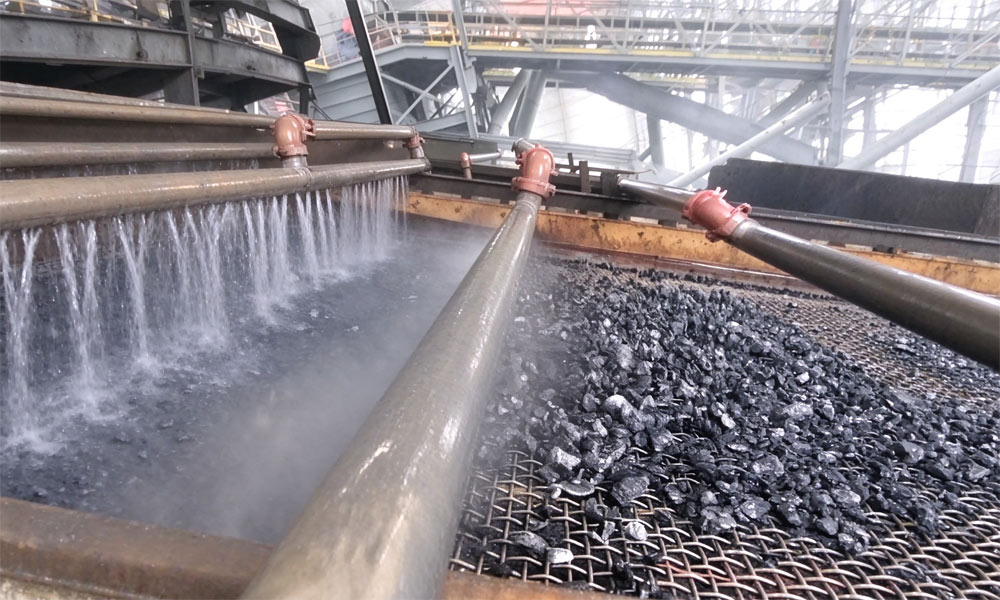
Sand-grade rubber compound resists fine silica abrasion, because Rubber Screen Deck Panels use a custom blended rubber formulation tuned specifically for the extremely abrasive fine silica particles that are the core feed material in sand production lines. Fine sharp silica sand will abrade through standard general-purpose rubber or even high-carbon steel mesh very quickly, creating holes and tearing that forces frequent premature media replacement. This specialized sand-grade rubber balances high surface hardness with deep toughness, resisting the constant scouring action of thousands of tons of fine sand flowing across the deck every day far better than any standard steel mesh. Most sand production operators report that these panels deliver 3 to 4 times longer total service life than traditional steel mesh on the same fine sand sizing deck, cutting the total number of media replacements they need to schedule every year by a huge margin.
Flexible Apertures Eliminate Fine Sand Blinding And Packing
Flexible apertures eliminate fine sand blinding and packing, because Rubber Screen Deck Panels use moulded slightly tapered openings that flex and shift slightly with every single vibration cycle of the operating vibrating screen. Fine dry or slightly damp sand particles have a well-known habit of wedging themselves tightly into the straight-sided square openings of steel mesh, packing solid and completely blocking the aperture so no material can pass through. The constant small flexing movement of the rubber aperture walls gently dislodges any fine sand that tries to lodge itself in the opening, shaking it free so it can pass through the deck instead of getting trapped. This keeps the total open area of the deck consistently high across the full service life of the panel, so your sand production line never sees unexpected sudden drops in throughput caused by a heavily blinded deck, and workers do not need to spend hours every shift manually clearing packed sand out of blocked apertures.
Vibration Dampening Properties Extend Vibrating Screen Frame Life
Vibration dampening properties extend vibrating screen frame life, because Rubber Screen Deck Panels absorb a huge amount of the sharp high-frequency vibration and material impact energy that would otherwise transfer straight into the steel frame of your vibrating screen. Traditional heavy steel mesh transfers every single shock from falling sand and every vibration cycle directly into the deck’s support bars, side walls, and mounting points, leading to premature fatigue cracking, broken welds, and loose components that require constant inspection and repair. The thick rubber panel acts as a continuous full-surface dampening layer, absorbing most of that dynamic stress before it can reach the underlying steel structure. Many sand production operations that make the switch report that they see far fewer unexpected structural failures on their vibrating screens, and the total service life of their expensive frame equipment can be extended by multiple years with far less routine maintenance work.
Sand production operations no longer have to put up with the high downtime, short wear life, and constant blinding that comes with using traditional steel woven mesh on their vibrating screen decks, and rubber screen deck panels integrate directly into almost every existing standard frame to solve all these problems without expensive equipment retrofits. Their precision modular design cuts media swap time down dramatically, their sand-grade rubber compound delivers extremely long abrasion life against sharp silica, their flexible apertures almost completely eliminate fine sand blinding, and their vibration dampening properties protect your expensive vibrating screen frames from premature fatigue damage. For heavy-duty primary scalping decks handling large coarse rock, heavy steel mesh will still be the better option, but for almost all fine sizing, dewatering, and final grading duties in manufactured sand production, these panels deliver a level of reliable low-fuss performance that traditional steel screening media simply cannot match.