Rubber Screen: Low Noise and Anti-Blinding for Mineral Separation
Mineral separation operations run two persistent, often overlooked problems that drag down both workplace safety and total plant efficiency: deafening continuous deck noise that damages worker hearing over time, and constant aperture blinding that cuts throughput and forces frequent unplanned stops. Rubber Screen solves both of these long-standing pain points at the same time, delivering a dual performance benefit that no traditional metal woven mesh or perforated plate screen can match. These are not basic low-performance general-purpose rubber panels, they are purpose-engineered mineral processing grade media built specifically to dampen vibration, absorb impact, and stop near-size mineral particles from lodging in apertures. This article breaks down how the rubber material cuts operating noise dramatically, how flexible apertures eliminate blinding, how reduced structural vibration extends deck life, and how these combined benefits deliver real measurable long-term value for mineral processing sites.
Damping Material Cuts Continuous Screening Deck Noise Dramatically
Damping material cuts continuous screening deck noise dramatically, because a Rubber Screen does not create the loud high-frequency ringing that happens every time sharp hard mineral particles impact against a rigid steel surface. Traditional metal mesh produces constant sharp clanging, rattling, and resonant vibration that pushes noise levels on a mineral separation deck well above 95 decibels, the threshold where permanent long-term hearing damage becomes a real risk for workers who spend full shifts near the screening circuit. The high-damping rubber material absorbs almost all of the impact energy from falling mineral particles before it can turn into loud radiated noise, dropping overall deck noise levels by 15 to 25 decibels in real field operations. That is such a huge reduction that the area around the screening deck no longer counts as a mandatory high-noise zone, reducing the burden of constant hearing protection compliance and making the entire working environment far more comfortable for every on-site team member.
Flexible Tapered Apertures Stop Near-Size Particle Blockage
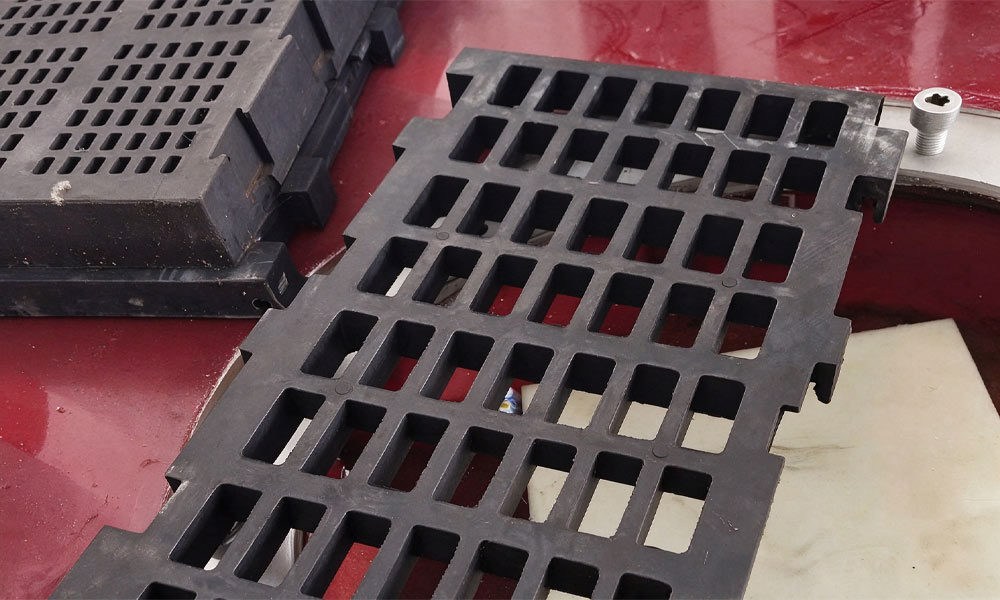
Flexible tapered apertures stop near-size particle blockage, because a Rubber Screen does not have the rigid straight-sided openings that let hard mineral particles wedge permanently in place. The moulded apertures are slightly wider on the underside of the panel than they are on the top feed surface, and the soft flexible rubber walls flex slightly with every single vibration cycle of the screening deck. Any near-size mineral particle that tries to lodge itself in the opening gets gently squeezed free by the flexing rubber, and falls straight through the aperture instead of staying wedged in place. This keeps the total open area of the deck consistently high for almost the entire service life of the panel, eliminating the common problem where blinding slowly cuts throughput by 30% or more over the course of a single shift. Process teams no longer need to send workers up onto a running deck with hammers and brushes to manually clear blocked apertures, removing a common unnecessary safety hazard from the mineral separation workflow.
Reduced Vibration Stress Extends Deck Support Structure Life
Reduced vibration stress extends deck support structure life, because a Rubber Screen absorbs a huge amount of the dynamic impact energy that would otherwise transfer straight into the screening deck frame, support bars, and mounting hardware. Traditional heavy metal mesh transfers every single shock from falling rock and every high-frequency vibration straight into the steel structure of the machine, leading to premature fatigue cracking, broken support bars, and loose mounting bolts that need constant tightening and repair. The rubber panel acts as a continuous full-surface vibration dampening layer, absorbing most of that dynamic stress before it can reach the underlying steel structure. Many mineral processing operations report that after switching to rubber screens, they see far fewer unexpected structural failures on their vibrating screens, and the total service life of their deck support frames can be extended by multiple years with far less routine maintenance work.
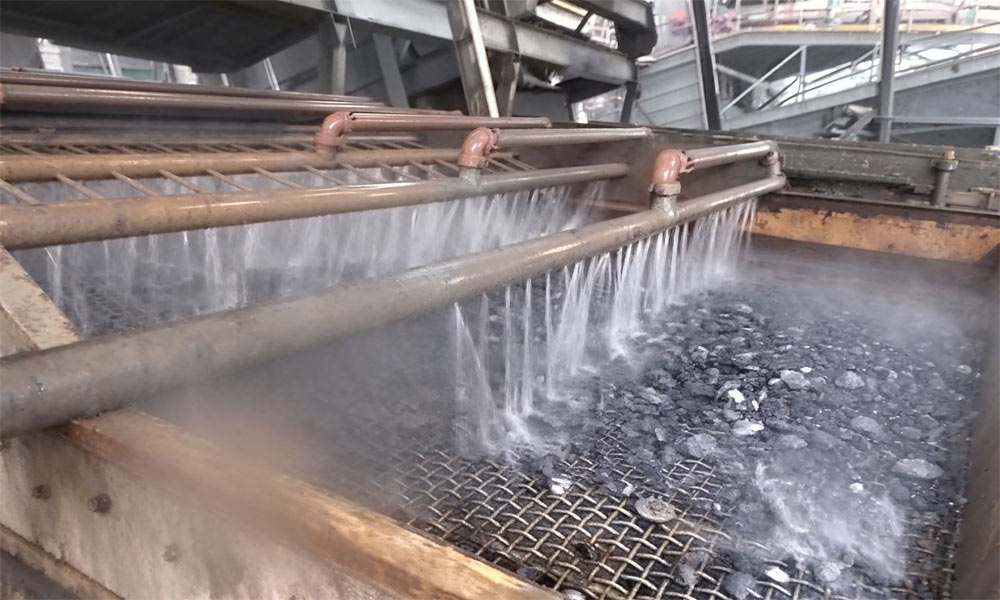
Combined Noise And Anti-Blinding Benefits Boost Consistent Uptime
Combined noise and anti-blinding benefits boost consistent uptime, because a Rubber Screen eliminates two of the most common hidden causes of unplanned downtime on mineral separation circuits. You no longer have to stop production for long stretches to clear a heavily blinded deck, and you no longer have to shut down the plant to repair sudden unexpected fatigue cracks on the deck support structure. The lower noise levels also make it far easier for workers to stay alert, spot small developing problems early, and perform routine inspection and maintenance work safely without fatiguing from constant loud noise. The combination of these small daily improvements adds up very quickly, and many operations see their total screening circuit uptime jump by 10% to 15% after switching over, with no major expensive upgrades to the rest of the mineral separation plant required.
Mineral separation operations no longer have to choose between reducing workplace noise and eliminating persistent aperture blockage, and rubber screen delivers both of these critical performance improvements in a single simple media upgrade. Its high-damping rubber material cuts deck noise levels dramatically to create a far safer more comfortable workplace, its flexible tapered apertures almost completely eliminate near-size particle blinding, its vibration absorbing properties extend the service life of the entire screening deck structure, and all these combined benefits deliver a measurable boost to total consistent plant uptime. For extremely heavy high-impact scalping decks handling large oversize ore lumps, heavy manganese steel mesh will still remain the better choice, but for almost all medium and fine mineral separation, sizing, and dewatering duties, these panels deliver a dual set of practical advantages that no traditional metal screen can match.