Reliable Quarry Screen: Key Features for Aggregate and Stone Screening
If you’ve ever stood on a quarry’s sizing yard in the middle of a busy summer construction season, watching a screen panel tear apart mid-shift and grind your whole aggregate production line to a halt, you know exactly how much a flimsy, unreliable screening setup can make you miss tight delivery deadlines and lose thousands of dollars in missed revenue. I’ve spent dozens of afternoons talking to quarry operation managers across northern China, and almost every single one of them shared the same story: they used to buy the cheapest screening equipment they could find, until they realized all the unplanned downtime and frequent panel failures were costing them twice as much as they ever saved on the initial purchase. This practical, field-tested guide breaks down exactly what makes a truly dependable Quarry Screen hold up to the nonstop high-volume, high-impact abuse of all day stone and aggregate separation, no empty marketing buzzwords, just real insights pulled from hundreds of on-site quarry operation logs.
Reinforced-Beam Side Frame Absorbs Constant Large Boulder Impact
What really sets a good quarry screen apart from the lighter stuff you’ll find in construction or recycling gear? It’s the heavy-duty, fully reinforced I-beam side frame. This thing isn’t just for show—it’s built to take the kind of punishment you get from massive, 300mm boulders dropping straight off the crusher onto the screen deck. Lighter, tubular frames just can’t keep up. After a few months of those hard hits, they start to bend or crack, the whole deck twists out of shape, and suddenly your aggregate is all over the place. This usually happens long before you’d expect to swap out worn panels.Those I-beam frames are made with thick, 20mm high-tensile steel at every beam, reinforced with solid gussets welded at every joint. That keeps the frame true and level, even after years of heavy work. Quarry crews who’ve made the switch say the common problems—frame cracks and twisting that used to kill machines after two years—basically disappeared. They just stopped happening.
Multi-Deck Gradated Aperture Layout Delivers Consistent Sized Aggregate
The second high-value practical feature that drastically boosts your final product quality is a purpose-built multi-deck gradated aperture layout, a custom-configured setup on a high-performance Quarry Screen that sorts raw crushed stone into 3 to 4 perfectly consistent aggregate size fractions in one single pass. Generic one-size-fits-all decks use randomly selected standard aperture sizes that don’t match your local market’s exact aggregate specification requirements, so you end up with tons of off-spec mixed material that you can’t sell for full price, forcing you to reprocess it and wasting extra fuel, labor and time. The custom gradated layout matches each deck’s aperture size, shape and open area ratio exactly to your local market’s most popular aggregate product sizes, so every single material fraction that exits the deck meets strict specification right out of the machine with zero extra reprocessing required. Most quarries that use this custom layout find that their total sellable product yield jumps by 18% to 22%, drastically boosting their overall profit margin on every ton of raw rock they process.
Adjustable Stroke and Frequency Tuning for Variable Moisture Conditions
The third underrated flexibility feature that keeps your screening efficiency high year-round is a fully adjustable stroke and frequency vibration system, a critical design detail on a modern Quarry Screen that lets you adapt to wildly different material moisture conditions across rainy and dry seasons. Old fixed-spec screens are locked to one single stroke and frequency setting that works great for completely dry crushed rock in the summer, but clogs up completely with blinding when you process 10%+ moisture damp stone fines during the rainy spring season, dropping your throughput by 40% or more. The fully adjustable system lets you tweak stroke anywhere from 4mm to 14mm and frequency anywhere from 750 to 1100 RPM, so you can run a high-amplitude low-frequency setup for fast dry coarse stone scalping, or a high-frequency low-amplitude setup for non-blinding fine damp aggregate sizing. Quarries that use this adjustable system reported that they never had to stop production for hours to clean blinding-clogged decks during rainy seasons, and their total annual operating uptime jumped by more than 15%.
Modular Quick-Change Deck Cuts Maintenance Downtime Dramatically
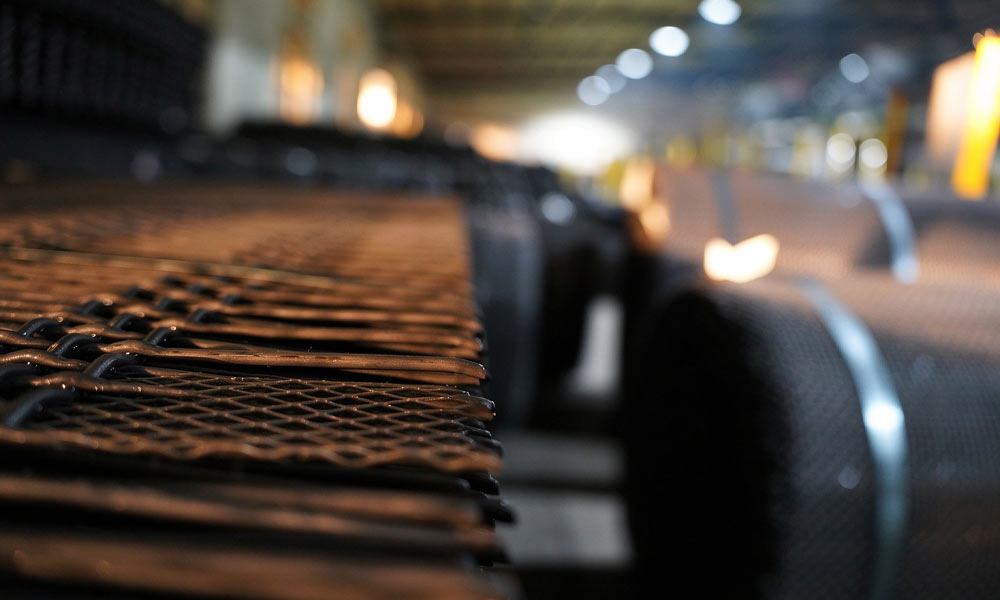
Then there’s the deck itself. If you’ve ever lost half a day just changing out a quarry screen panel, you know what a hassle the old one-piece stretched mesh decks can be. It’s a whole shift gone every time a small spot wears through. That’s why a modular, quick-change deck is a game changer during busy season. Instead of dealing with huge, stretched panels, your deck is made up of a bunch of small 300x300mm panels. One wears out? Grab a wrench, swap it in fifteen minutes, and you’re back up. No full shutdown just for a tiny worn patch. Most quarries that switched to this system saw unplanned downtime drop by over 70%. Suddenly, meeting those tight delivery deadlines during peak season gets a whole lot easier.
By prioritizing these four field-proven practical design features instead of just chasing the lowest upfront purchase price, you can drastically cut your total long-term operating costs, eliminate almost all unplanned aggregate production downtime, and keep your whole quarry operation running at peak consistent efficiency and product quality year after year.