High Tensile Polyurethane Vibrating Screen Mesh
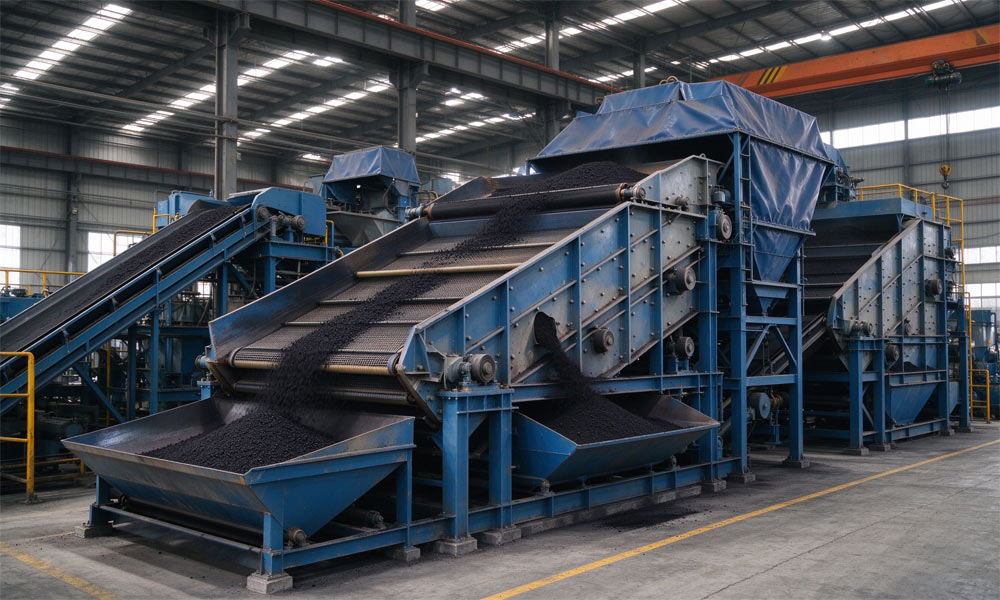
If you’ve ever stood on a mineral processing plant floor watching your brand new fine steel mesh tear completely loose from the deck hooks mid-shift, right when you’re running 24/7 to hit a critical monthly concentrate production quota, you know exactly how much constant high-frequency vibration, heavy ore impact and abrasive fine mineral scouring can destroy thin low-tensile panels in days, wasting hours of messy emergency maintenance labor and leaving hundreds of tons of raw feed piling up unused on the feed belt. After years of chatting with maintenance leads across iron ore processing sites, rare earth mineral plants and non-ferrous concentrators in southern China, nearly every single one shared that they fought premature mesh tear and breakage issues for years with traditional steel panels, until they tested a high tensile polyurethane vibrating mesh and realized their old frequent replacements were costing them twice as much in lost production as the small extra upfront investment in a better panel. This no-fluff field-tested guide breaks down exactly what makes a high tensile Polyurethane Vibrating Screen Mesh stand out for heavy-duty mineral processing, no empty marketing buzzwords, just insights pulled straight from hundreds of real on-site operational logs.
Custom Formulated High Tensile PU Compound Resists Permanent Deformation
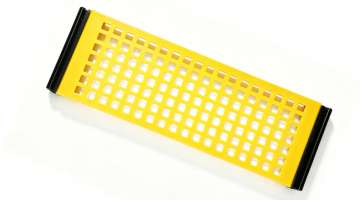
The first core performance foundation that separates this heavy-duty mesh from generic low-grade alternatives is its custom blended high tensile polyurethane compound, a material formulation specifically calibrated to absorb massive continuous vibration stress and heavy ore impact without permanently stretching, sagging or deforming out of shape. Cheap low-tensile generic PU mesh uses soft low-grade recycled PU material that stretches permanently under heavy load, sagging down between deck support bars after just a few days of operation, creating uneven loose sections that ruin material travel speed and break screening efficiency completely. The high tensile PU formulation uses a carefully balanced polymer blend and multi-stage post-curing process that pushes tensile strength past 1600 Mpa, so even the heaviest sudden impact from large run-of-mine ore chunks only makes the mesh flex temporarily, before it springs back perfectly to its original flat tensioned shape. Iron ore concentrators that upgraded to these high tensile panels reported that permanent sagging deformation failures dropped by more than 90%, with zero loose sagging mesh sections even after thousands of hours of continuous high-vibration operation.
Embedded High-Strength Tension Cables Eliminate Full Panel Tear-Out
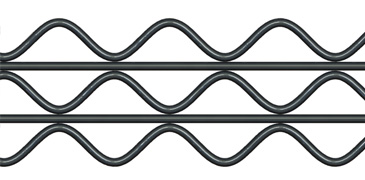
The second critical structural upgrade that drastically extends total service life is the full embedded high-strength tension cable system that a premium high tensile Polyurethane Vibrating Screen Mesh is built with, a hidden reinforcement feature that stops the whole panel from tearing apart at mounting hooks or high-stress zones long before the PU surface wears down to its minimum usable thickness. Basic generic PU mesh uses no internal tension reinforcement at all, so the soft PU body rips and tears loose at the tensioned mounting points under constant high-frequency vibration load, even when the top screening surface still has 70% of its usable life left. The high-tensile steel cables run continuously through every section of the mesh body, from one hook edge all the way to the opposite side, distributing all tension and vibration load evenly across the entire panel structure, so no single point takes concentrated stress and tears prematurely. Non-ferrous mineral processing sites reported that full panel tear-out failures dropped by more than 85% after switching to this cable-reinforced design, and every panel easily reached its full rated wear life before needing replacement.
Precision Locked Weave Prevents Strand Shift and Uneven Wear
Here’s something that doesn’t get enough attention: the precision locked inter-crimp weave in heavy-duty polyurethane vibrating screen mesh. It sounds technical, but it’s a game changer. This design locks each strand in place, so they stay exactly where they’re supposed to—even when minerals are pounding through nonstop. With the old-fashioned loose weave, strands wiggle and slide around. That messes up separation, leaving bigger gaps in some spots, trapping valuable particles in others, and causing thin, weak areas that wear out fast. But the locked weave keeps everything tight and even. You get a smooth, consistent flow of minerals across the entire mesh, so it wears down slowly and uniformly. No random blowouts or weak patches.It’s not just theory, either. Rare earth processing plants saw almost no uneven strand wear, and the average service life of their screens shot up by nearly 40%. That’s real improvement you can feel.
Tension-Optimized Edge Construction Eliminates Mounting Point Stress Concentration
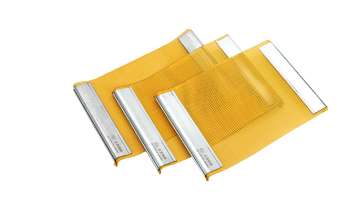
The final practical operational advantage that makes this mesh perfect for high-stress mineral processing vibrating decks is the full tension-optimized reinforced edge construction that every high-quality high tensile Polyurethane Vibrating Screen Mesh features, a rugged design that distributes all full-panel tension evenly across the entire hook edge instead of concentrating all stress on a few small points. Generic mesh edges use thin bent metal hooks bonded loosely to the PU body, so the hook pulls straight out of the PU under high tension, making the whole panel rip free from the deck mid-operation. The optimized edge design wraps the full continuous internal tension cable all the way around the reinforced hook profile, locking the hook completely integrated with the mesh body, so no stress concentration point can ever pull loose or tear. Mineral concentrators running at 110% of their maximum design feed rate reported zero unexpected mid-shift mesh failures, and their total annual screen maintenance downtime fell by more than 70%.
Put your money into a well-designed high-tensile Polyurethane Vibrating Screen Mesh—one that’s made with a special tough PU blend, built-in tension cables, a tight weave, and extra-strong edges—and you’ll see the difference. Your yearly maintenance costs drop. Downtime? Pretty much gone. And your screening deck just keeps running, handling more material for way longer than the old steel mesh panels ever could.