PU Flip-Flow Vibrating Screens for Fine Screening: Practical Operation Tips
If you’ve ever spent half your shift crouched over a fine sizing deck, digging wedged damp fine ore out of blinded apertures with a screwdriver, while hundreds of tons of high-value fine mineral product get carried over into the oversize pile and your whole circuit’s fine yield drops by 20% in a single shift, you know exactly how much bad fine screening performance can eat into your site’s daily profit margins. After years of chatting with operations and maintenance leads across fine mineral processing sites, manufactured sand quarries and high-moisture coal washing plants across northern China, nearly every single one shared that they fought fine screening blinding and premature wear problems for years with traditional rigid fine screens, until they tested a purpose-built flip flow design and realized most of those persistent fine sizing headaches were completely avoidable. This no-fluff field-tested guide breaks down the unique practical features of high-quality PU Flip-Flow Vibrating Screens and step-by-step operation tips that actually work for fine material processing, no empty marketing buzzwords, just insights pulled straight from hundreds of real on-site operational logs.
High-Elasticity Mining-Grade PU Panels Deliver Unmatched Anti-Blinding Performance
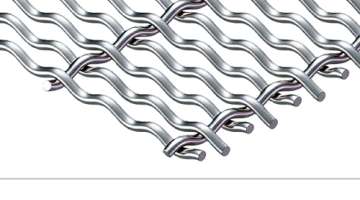
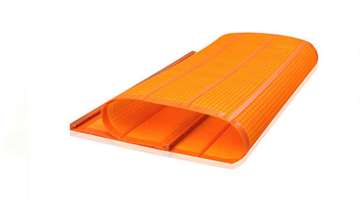
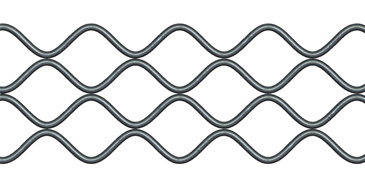
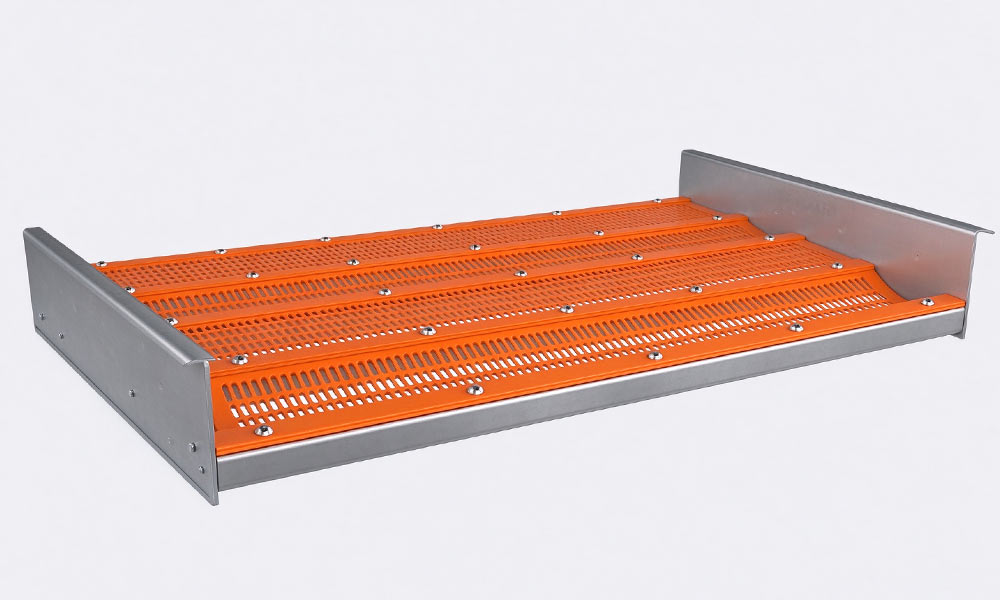
What really makes these fine screening units stand out—especially compared to the typical rigid fine screens—is their custom high-elasticity mining-grade PU panels. Every heavy-duty PU Flip-Flow Vibrating Screen uses them, and they’re built to stretch and snap back dozens of times a second without warping or wearing out. Regular rigid steel mesh doesn’t budge, even when it’s shaking as hard as it can. That means damp, near-size particles wedge themselves tight in the openings and just stay there, caking everything up in less than an hour if you run continuously. These flexible PU panels, though, flex and shake across the deck so every single opening clears itself on each stroke. Even the stickiest clay or fines simply can't stay jammed in place. Processing sites working with fine clay minerals saw manual clearing jobs drop over 90% after switching to these screens—no more shutting things down mid-shift just to scrape blinded material out.
Embedded Steel Skeleton Prevents Premature Tear-Out At Mounting Points
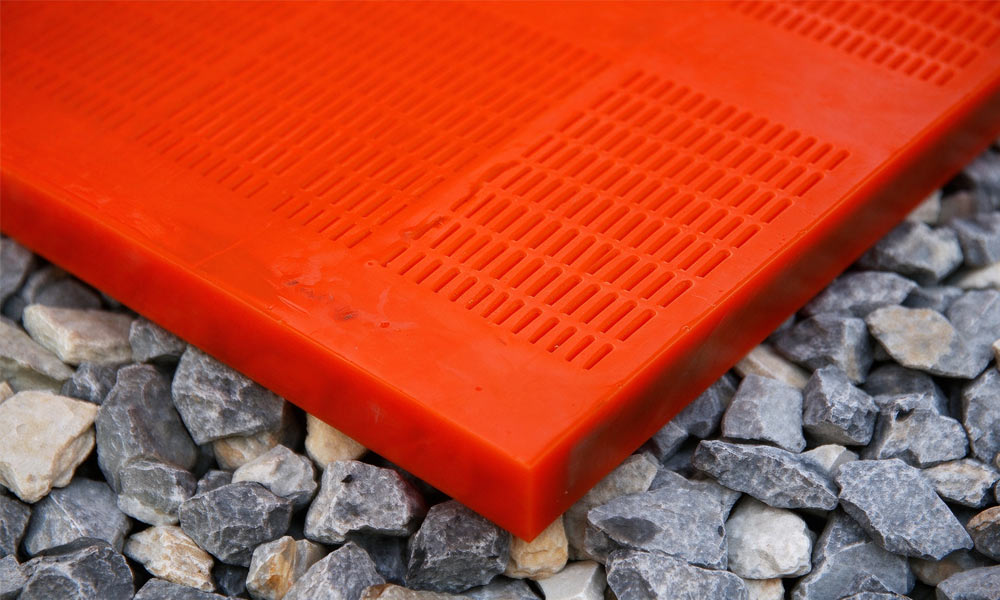
Another key detail—one that doesn’t always get enough credit—is the fully embedded steel skeleton running through every reinforced panel. It’s like having a hidden backbone that spreads out all the force from vibration, tension, and impact. With cheap panels, there’s no steel inside, so the soft PU stretches and tears right at the mounting points. Sometimes, you end up with loose panels even though most of the surface looks fine. But with the continuous steel core, stress gets distributed across the whole panel, and hook tear-outs just don’t happen anymore. Sites processing sharp, high-silica fines—like manufactured sand quarries—noted that mounting failures dropped by more than 90%, with panel lifespans jumping from about 12 days to over 3 months.
Pre-Operation Deck Alignment Check Eliminates 80% of Early Fine Panel Failures
The first most important step in the operation guide that almost every new team skips is doing a 15-minute full deck inspection before you install any fine panels on your PU Flip-Flow Vibrating Screens, walking every support rail to check for bends, loose hardware, sharp burrs or uneven heights that sit even a few millimeters above the rest of the frame. This simple quick check prevents the most common cause of premature fine panel failure: one misaligned rail that makes a single panel sit tighter or looser than the rest of the deck, creating uneven tension that tears the fine PU material apart after just a few hours of operation. I’ve seen maintenance crews skip this step and ruin brand new fine panels in less than a week, all because of one tiny wonky support rail that no one noticed ahead of time. A quick pass with a straight edge and a wrench to tighten loose bolts or tap bent rails back into place takes barely any time, but saves you hours of frustrating rework later on.
Dynamic Stroke Tuning Matches Real-Time Fine Feed Moisture Swings
Want consistent screening output day after day? Start adjusting the eccentric shaft stroke length to match how wet your fine feed actually is, instead of letting the deck run on the same setting all the time. If moisture spikes—say, after a rain—just increase the stroke a bit and the panels flex tougher, shaking sticky material loose before it blinds the PU Flip-Flow vibrating screen. On dry days, drop the speed so you don’t stress the PU unnecessarily and your panels last longer. Coal dewatering plants that made this simple one-minute daily check saw product sizing accuracy stay rock-solid no matter the shift, and those surprise blinding incidents during wet weather? They pretty much vanished.
Put these high-elasticity PU panels and steel skeleton features to work, and add a quick pre-op deck check plus stroke tuning each day. You’ll almost wipe out fine screening blinding issues, bump up your product yield, and save more than half your annual PU flip-flow vibrating screen maintenance costs.