Polyurethane Fine Screen Panels For Quarry Fine Fraction
Quarry operations that produce a fine fraction know the problem well: the last few millimeters of separation are the hardest to hold, and the equipment that handles them takes the most punishment. Polyurethane fine screen panels have become a common answer in this duty because they combine abrasion resistance with a flexibility that keeps apertures open in damp, sticky material, and they tolerate the constant wet operation that fine screening in a quarry usually involves. Yet the panel is only part of the answer, and the plants that get the most from it are the ones that match the specification to the material, prepare the feed properly, and maintain the deck as a system rather than a set of consumables. This article looks at why fine fraction screening is so demanding, how panel specification should be matched to quarry material, how feed preparation affects performance, and what maintenance and cost considerations decide whether the choice pays off.
Why Fine Fraction Screening Punishes Equipment
The fine end of a quarry product is where screening gets difficult, and a Polyurethane Fine Screen Panels specification has to account for conditions that coarse decks never see. Moisture is the main adversary, because damp sand and crushed fines tend to agglomerate and blind apertures, and a blinded deck stops separating regardless of how strong the panel is. Near-size material adds a second problem, since particles close to the aperture size are the slowest to pass and the most likely to lodge, and a quarry producing a tight specification generates a high proportion of them. Abrasion is relentless in crushed rock, and the fine fraction often carries the sharpest particles because they have been reduced most. Add the continuous duty of a quarry plant and the result is a deck that must resist wear, stay open, and hold a cut all at once, which is a demanding combination that few materials handle as well as polyurethane.
Matching Panel Specification To Quarry Material
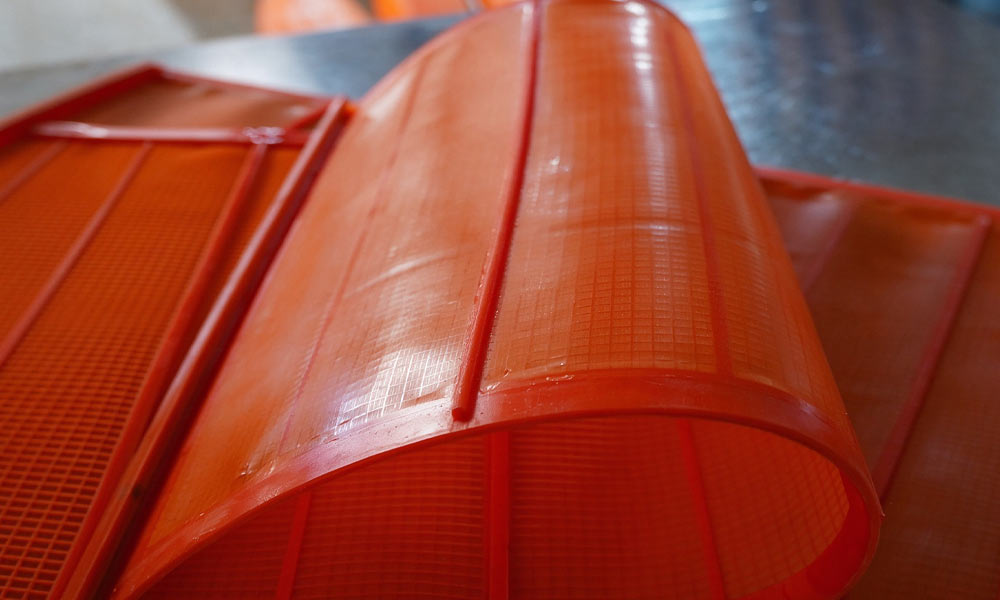
Specification is where most of the value is won or lost, and a Polyurethane Fine Screen Panels choice should follow the material rather than the catalogue. Aperture size should be set from the target product specification with allowance for wear enlargement, and the shape should suit the particle profile, since a tapered aperture can ease the passage of near-size material in a way a straight-sided one cannot. Compound hardness is a genuine trade-off, because a harder panel resists abrasion but is less flexible and can be more prone to cracking, while a softer compound handles impact and flexing better but wears faster, and the right balance depends on whether the duty is more abrasive or more impact-heavy. Panel thickness and open area should be balanced so that the deck carries the load without excessive deflection while still offering enough open area to handle the tonnage. Matching these variables to the actual quarry material is what separates a panel that lasts from one that merely arrives.
Feed Preparation And Deck Conditions
Even a well-specified panel will underperform if the feed and the deck are not managed, and a Polyurethane Fine Screen Panels installation depends on conditions upstream as much as on its own quality. Feed should be spread across the full width of the deck rather than concentrated in one stream, because uneven loading produces uneven wear and leaves part of the screening area doing little work. Bed depth should be controlled so that the material is neither compacted into a blinding layer nor allowed to fall directly onto the panel, and wash water where it is used should be checked for blocked nozzles, since a dry section of deck blinds quickly. The support structure and tensioning should be inspected as part of the same routine, because a panel that is loose or poorly seated will flex and crack regardless of how good the compound is. Managing the feed and the deck is unglamorous work, but it is what allows the panel to do the job it was specified for.
Maintenance, Wear Monitoring And Cost Balance
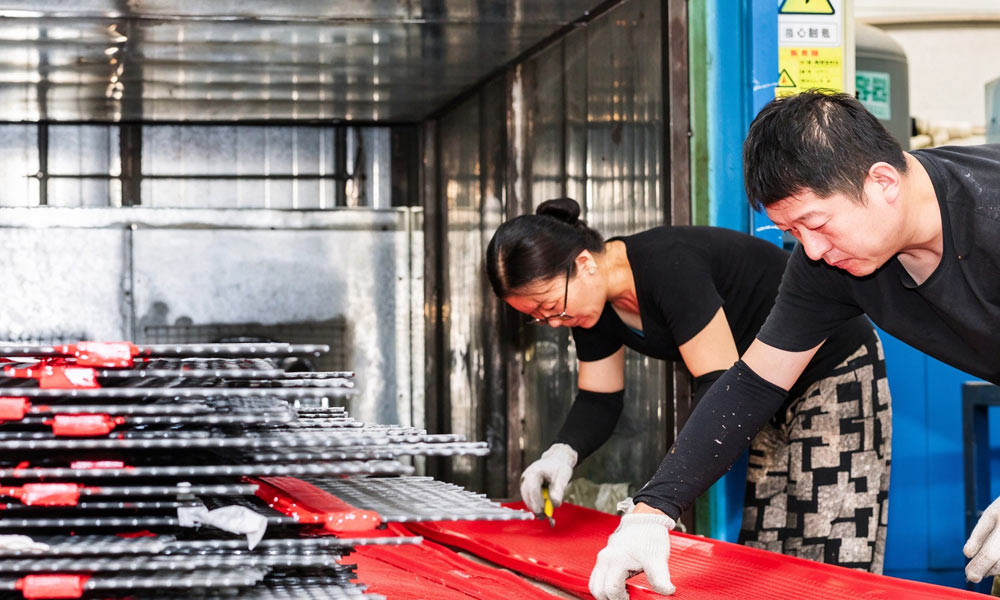
The economics of fine screening come down to how long a deck holds its cut, and a Polyurethane Fine Screen Panels programme should be built around monitoring rather than reacting. Inspection should look at aperture condition and blinding as well as at visible damage, because a panel can be structurally sound and still be failing its separation duty, and wear patterns across the deck should be recorded so that uneven wear is caught before it forces premature replacement. Panels should be replaced in sets where wear is uneven, since a new panel beside a worn one takes more than its share of the load, and replacement should be planned around tonnage data rather than triggered by failure. The cost comparison should include downtime and product quality as well as panel price, because a cheaper panel that blinds or fails early costs far more in lost production than it saves at purchase. Balancing these factors is what turns a consumable into a controlled operating cost.
Polyurethane fine screen panels suit quarry fine fraction screening because they resist abrasion, stay open in damp material, and hold a cut under continuous duty, but the material alone does not guarantee results. The specification has to follow the quarry material in aperture size, shape, hardness, and open area, the feed and deck conditions have to be managed so the panel can work as designed, and maintenance has to monitor separation performance rather than only visible damage. Quarries that treat the deck as a system, with specification, feed control, and inspection working together, tend to get long panel life and a consistent fine product, while those that buy on price alone keep discovering that the cheapest panel is the one that has to be replaced twice.