Why PU Dewatering Screens Become Standard for Modern Coal Washing
If you’ve walked through a modern coal washing plant built in the last 5 years, you’ve probably noticed that almost no one is running traditional woven metal dewatering mesh on their fine coal and tailings circuits anymore, even though that was the industry standard for more than 40 years. After years of chatting with plant managers, process engineers and shift operators across more than 30 large and medium-sized coal washing operations across northern China, nearly every single one that made the switch to PU systems shared that the change wasn’t driven by marketing hype, it was driven by hard operational results that solved very real long-standing pain points coal washing teams have been fighting for decades. This no-fluff practical guide breaks down exactly why a PU Dewatering Screen has become the default first choice for new coal washing circuit builds and retrofits, based on real on-site operational performance data that teams have tracked across millions of tons of processed raw coal.
Zero-Blinding Tapered Apertures Solve Sticky Fine Coal Sludge Blockages
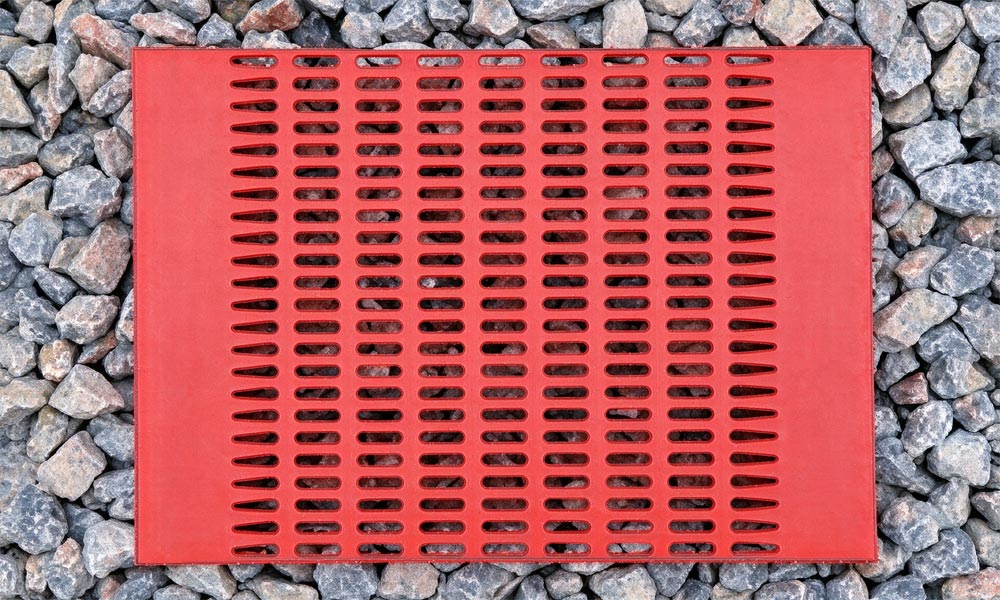
The first biggest reason coal washing operations are switching over is that the tapered anti-blinding aperture design on a PU Dewatering Screen completely eliminates the endless daily headache of sticky fine coal sludge jamming apertures that used to cripple old metal mesh decks. On traditional straight-sided metal mesh, fine near-size coal particles and sticky clay slime wedge tight inside every opening after a few hours of operation, blinding 40% or more of the deck’s open area and pushing final fine coal moisture up to 30% or higher, forcing teams to shut down the screen every single shift to manually scrape every aperture clear. The fully downward tapered PU openings have no narrow waist to trap fine coal particles, so every near-size grain gets shaken loose and pushed through the aperture by normal deck vibration, with zero manual scraping required. Multiple large coking coal washing plants shared that this single feature eliminated more than 6 hours of previously wasted maintenance time every single week, while keeping final fine coal moisture consistently below 16%.
Modular Panel Design Cuts Downtime for Partial Deck Repairs Drastically
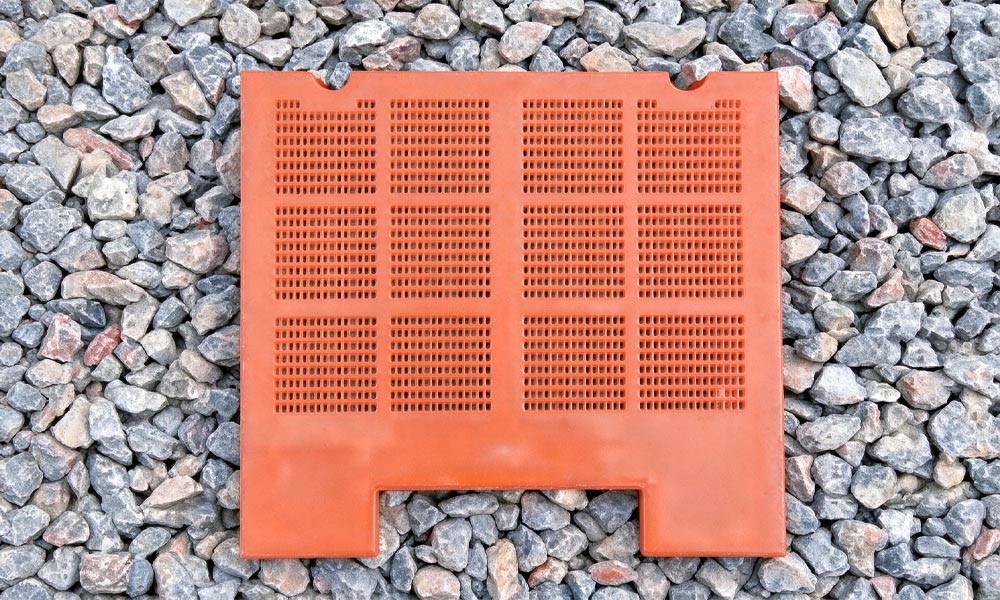
The second massive operational advantage that fits perfectly with modern coal washing’s high uptime requirements is the modular panel layout on a PU Dewatering Screen, which lets maintenance teams swap out a single worn feed zone panel in 2 minutes instead of shutting down the whole circuit for 3 hours to replace a full one-piece metal mesh. In traditional coal washing operations, even a small 5cm tear in one corner of the metal mesh forces a full deck shutdown, because there is no way to patch or replace only the damaged section, wasting hours of production time when the whole plant is running at full capacity to hit tight monthly output targets. The modular PU design means you can pop out the single damaged panel during a routine 10-minute break, drop a new unit in place, and be back at full production without ever shutting down the rest of the washing circuit. Multiple large thermal coal washing sites shared that this modular design cut their total annual dewatering-related unplanned downtime by more than 70%.
High Abrasion Resistance Extends Service Life in High-Volume Raw Coal Circuits
The third critical performance benefit that fits modern high-throughput coal washing lines is the ultra-high abrasion resistance of cast PU material on a PU Dewatering Screen, which delivers 3 to 4 times longer continuous service life than traditional steel wire mesh even when processing highly abrasive raw coal with high levels of hard rock gangue. On old metal mesh decks, the high-wear feed zone would wear completely through in only 2 to 3 weeks of continuous operation when processing high-gangue raw coal, forcing frequent full deck swaps that added dozens of hours of planned downtime every single month. The custom formulated high-abrasion PU panels can run continuously for 3 to 4 months even under the same heavy abrasive load, drastically cutting the total number of planned maintenance stops teams need to schedule all year. Multiple large-scale 10-million-ton per year coal washing plants shared that this extended service life cut their total annual dewatering spare parts cost by more than 55%.
Noise and Vibration Reduction Improves Long-Term On-Site Working Conditions
The final underdiscussed reason that modern coal washing operations are prioritizing PU systems is the natural vibration damping property of PU material on a PU Dewatering Screen, which cuts total deck operating noise by 15-20 decibels compared to a full metal mesh deck. Traditional all-metal dewatering decks generate extremely high levels of sharp high-frequency noise during continuous operation, which not only creates a harsh uncomfortable working environment for shift operators, but also requires teams to wear heavy industrial ear protection for their entire 8-hour shift. The soft flexible PU panels absorb most of that sharp high-frequency vibration and noise, bringing total operating noise down to levels that are far below strict modern occupational health and safety limits, no extra expensive noise reduction enclosures required. Multiple modern smart coal washing plants shared that this noise reduction made a huge measurable difference in shift operator comfort and long-term workplace compliance.
When you add up all these interconnected practical advantages, zero-blinding apertures, ultra-fast modular panel swaps, long abrasion-resistant service life and drastically lower operating noise, it is easy to see why a PU Dewatering Screen has quickly replaced traditional metal mesh as the standard dewatering solution for modern coal washing operations, delivering better performance, higher uptime, lower operating cost and far better working conditions all at the same time.