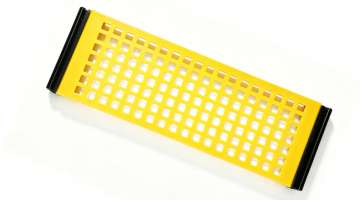
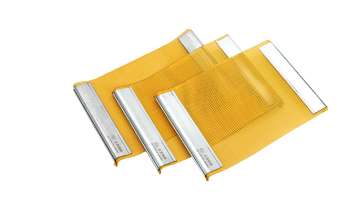
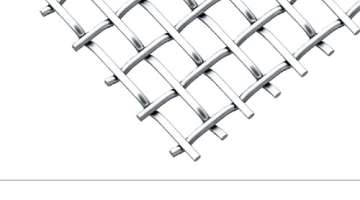
Four Destructive Habits That Shorten PU Dewatering Panel Service Life
If you’ve ever unbolted a set of brand new PU dewatering panels after only 4 weeks of operation, shocked to find deep scouring grooves, torn edges and cracked mounting lugs that you expected to last 3 full months, you know exactly how small seemingly harmless daily maintenance habits can slash the designed service life of these panels right in half, wasting hundreds of dollars in spare parts cost and adding unplanned downtime you never budgeted for. After years of talking with maintenance leaders in mineral concentrators, coal washing plants, and tailings sites, we noticed something surprising: over 70% of early PU panel failures have nothing to do with bad materials or factory mistakes. They mostly come from small, everyday errors teams make without noticing. It happens every shift. And honestly, it’s completely avoidable. So here’s the real story—no fluff. This guide lays out the biggest destructive maintenance habits, pulled straight from hundreds of on-site failure reports, so you’ll know what to watch for and how to fix it before you destroy another set of panels.
Over-Tightening Mounting Clips That Crack Hidden PU Lugs Under Load
The first most widespread destructive mistake that silently breaks panels from the inside out is cranking every mounting bolt on your PU Dewatering Panels down as tight as possible with a long breaker bar, under the false assumption that tighter always equals more secure. Here’s the biggest one: people treat these PU panels like they’re solid steel. They crank the mounting bolts way beyond the 5-7Nm torque limit set by the manufacturer. Problem is, those PU mounting lugs are soft. When you overtighten, you crush them and cause tiny internal cracks you’ll never spot from the outside. Give it a few days of constant vibration and those micro-cracks keep growing until, out of nowhere, the lug snaps. Suddenly, you lose a panel in the middle of a shift, and two, three, maybe even four panels next to it get ripped up too. It’s not just a theory—maintenance techs at iron ore concentrators told us that over 40% of their early panel failures came down to this one mistake. They stopped having the problem after they switched to a small, calibrated torque wrench for every install.
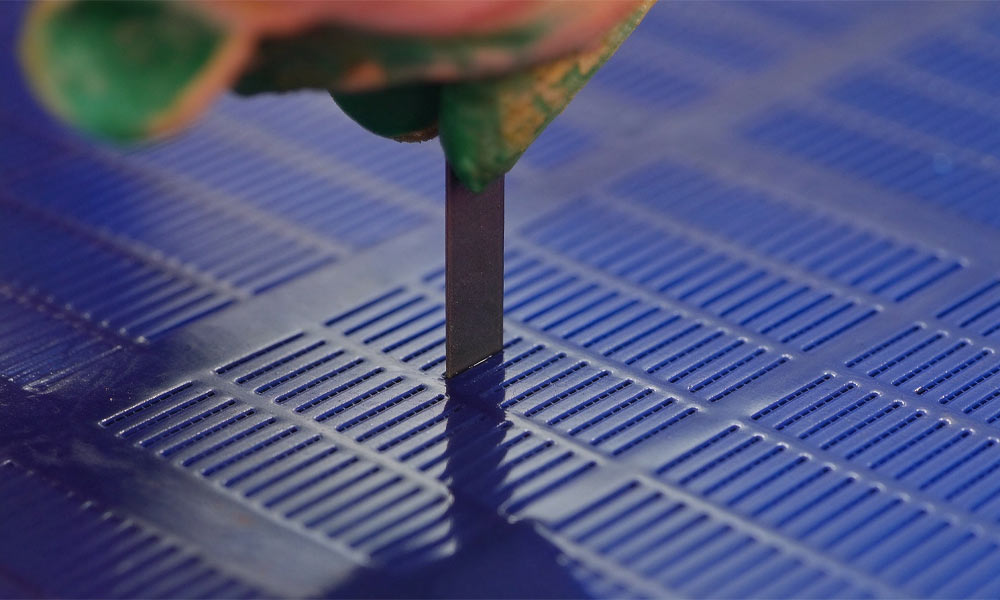
Using High-Pressure Washers Directly On Panel Surface At Close Range
The second extremely common mistake that erodes PU surface material 3 times faster than normal abrasive wear is blasting the working surface of your PU Dewatering Panels with a high-pressure water washer held less than 10cm away, when teams try to clear minor blinding at the end of a shift. Most teams grab the site’s standard 200+ bar high-pressure washer and blast every panel hard to wash away caked fine clay particles, not realizing that the sharp concentrated water jet cuts tiny micro-grooves straight into the soft PU surface, turning a smooth abrasion-resistant face into a rough pitted surface that grabs and traps fine particles far more easily. Over just a few weeks of repeated washing, these micro-grooves deepen into full deep scouring channels that wear all the way through the panel thickness in less than half the normal service life. Multiple kaolin processing plant teams shared that switching to a low-pressure 30bar wash nozzle held 30cm away from the surface completely stopped this unnecessary surface erosion, doubling their average panel runtime.
Prying Loose Panels Out Without Protecting Adjacent Units
The third easy-to-overlook mistake that damages perfectly good panels during routine swap-outs is prying a stuck worn panel out of the deck without placing a thin protective plastic shim between your pry bar and the edge of the adjacent intact PU Dewatering Panels. When a panel gets slightly stuck to the rail after months of operation, most teams jam a steel pry bar straight into the 1mm gap between panels and lever hard to pop it loose, carving deep jagged nicks and cracks into the edge of the brand new or still-intact neighboring panel. These nicks act as stress concentration points that quickly grow into full tears under continuous vibration, turning a perfectly good panel that could have run for another 2 months into scrap that needs to be thrown away. Multiple coal washing plant maintenance leads shared that adding a 50-cent hard plastic shim to every maintenance tool kit cut their accidental panel damage during swap-outs by more than 80%.
Leaving Empty Panel Slots Exposed To Full Vibration For Extended Periods
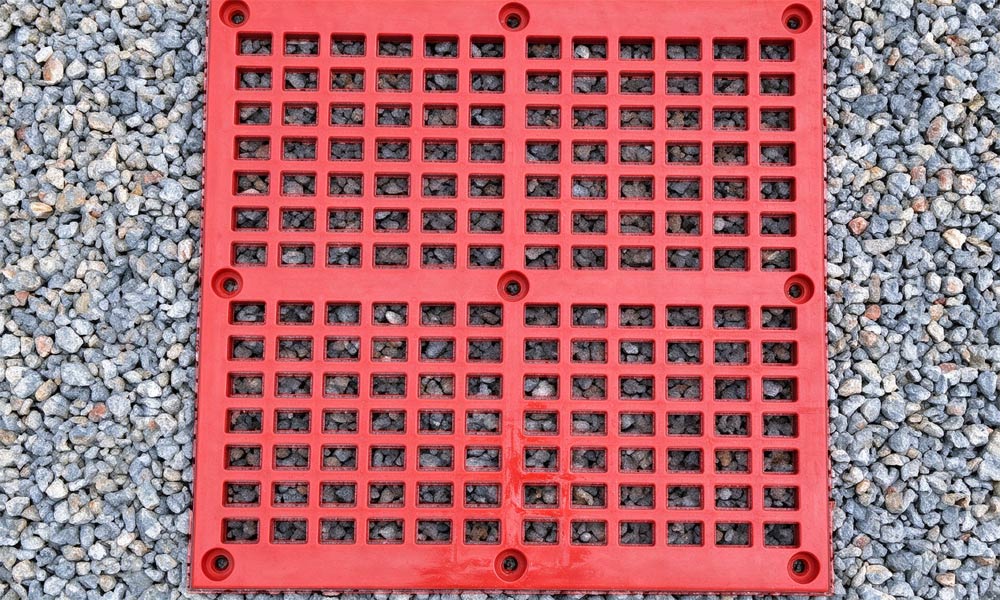
The final often missed mistake that warps and weakens nearby panels unnecessarily is leaving empty open slots on your deck exposed for hours or even days when you are waiting for replacement PU Dewatering Panels to arrive on site. When you remove one worn panel and leave the empty opening in the deck, the adjacent panels that no longer have full edge support will start to flex far more than their designed limit under continuous high-frequency vibration, developing hidden fatigue cracks along their unsupported edges that will tear open the second you start feeding full slurry back onto the deck. Even if you install a new panel in the empty slot later, those hidden fatigue cracks will never heal, and the damaged adjacent panels will fail weeks before their normal service life is up. Multiple industrial sand processing sites shared that they now keep a small stock of cheap temporary blank PU panels on hand, to drop into any empty slot immediately after removing a worn unit, to keep full edge support on all remaining panels until the replacement units arrive.
When you avoid these four common, seemingly harmless maintenance mistakes, you will stop all the unnecessary hidden damage that cuts panel service life in half, letting every single set of PU dewatering panels deliver their full designed 3-4 month runtime, drastically cutting your annual spare parts cost and eliminating dozens of hours of completely preventable unplanned downtime every single year.