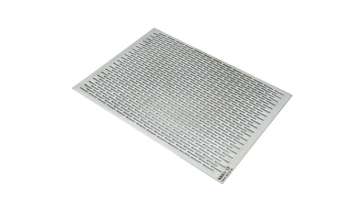
4 Anti-Blinding Features of PU Dewatering Screen Mesh
If you’ve ever stood by a dewatering deck processing heavy sticky laterite clay slurry in the rainy season, watching the whole screen blind over completely in less than 2 hours no matter how much you crank up vibration speed or blast it with high-pressure water, you know exactly how much sticky fine clay can turn your whole dewatering workflow into a waterlogged, unproductive mess that leaves you with wet cake you can barely transport. After years of working with operations teams at bauxite mines, kaolin processing plants and rare earth sites that run some of the stickiest clay slurry in the industry, we found that generic standard PU mesh still clogs up badly with this material, but a purpose-built PU Dewatering Screen Mesh with targeted anti-blinding design features can run continuously for weeks without a single manual clearing stop. This no-fluff practical guide breaks down exactly which real-world anti-blinding features actually work for sticky clay slurry, no marketing buzzwords, just proven designs that field teams have tested across thousands of operating hours.
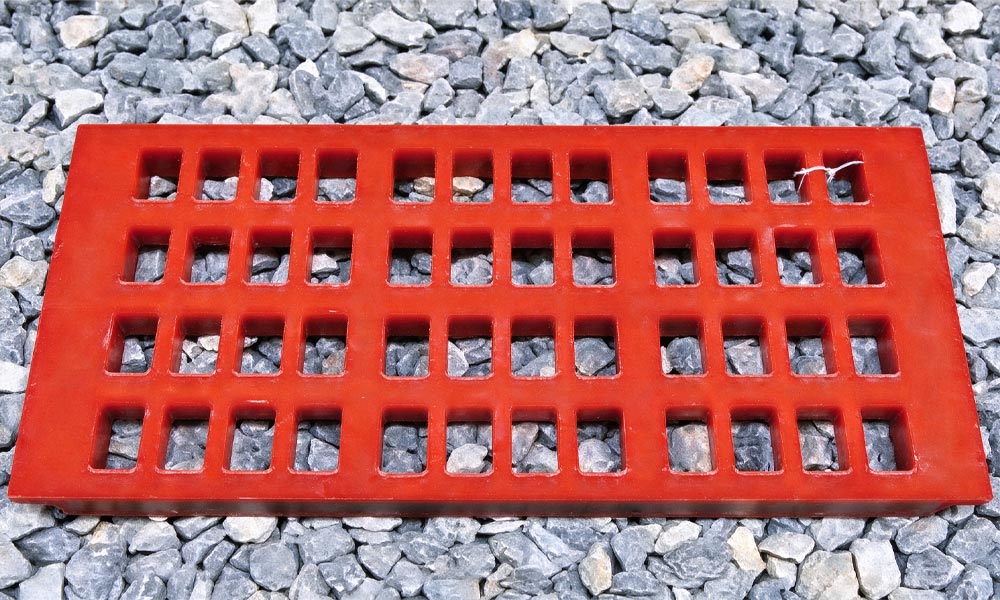
Full Downward Tapered Apertures Eliminate Wedge Points for Clay Particles
The first core anti-blinding feature that stops 70% of common clay blinding is the fully 6-degree downward tapered aperture profile on a purpose-built PU Dewatering Screen Mesh, instead of the near-straight side apertures used on standard generic PU panels. On a standard PU mesh with almost straight aperture walls, soft sticky clay particles get squeezed into the narrow middle of the opening, where they deform and wedge tight so completely that no amount of vibration can shake them loose, blocking the aperture permanently until you dig it out manually. The fully tapered design means every single opening gets wider from the top feed surface all the way down to the bottom discharge side, so even soft deformable clay particles can never get wedged tight, and every bit of clay that enters the opening gets pushed all the way through by normal deck vibration. Multiple lateritic bauxite mine operations teams shared that this simple tapered design eliminated more than 80% of their daily clay blinding issues overnight.
Interconnected Flexible Ribs That Flex Independently With Each Vibration Cycle
The second high-performance anti-blinding feature that breaks apart sticky clay layers before they can seal the deck is the system of thin interconnected flexible ribs across the top surface of a specialized PU Dewatering Screen Mesh, instead of a rigid flat top surface. On a standard rigid PU mesh surface, a thin continuous sticky clay film can spread across the whole deck and seal every aperture shut in less than an hour, creating a completely impermeable layer that no water can drain through. The thin independent flexible ribs flex and bounce slightly out of phase with each other on every single vibration cycle, breaking apart the forming sticky clay film at dozens of tiny points across the deck before it can spread and seal the whole surface. Multiple kaolin processing plant teams shared that this flexible rib design stopped the continuous clay film formation that used to blind their decks completely every single shift.
Special Low-Surface-Tension PU Formulation That Repels Sticky Clay Adhesion
The third underrated material-level anti-blinding feature that stops clay from sticking to the mesh at all is a custom modified low-surface-tension PU formulation used on the working surface of a purpose-built PU Dewatering Screen Mesh, instead of the standard general-purpose PU material. Standard PU material has a relatively high surface tension that soft sticky wet clay adheres to very strongly, so clay particles stick tight to the edge of every aperture and build up slowly until the whole opening is choked closed. The custom modified PU formulation has a silicone-infused low-surface-tension top layer that wet sticky clay cannot form a strong adhesive bond with, so any clay particle that touches the surface gets shaken loose immediately by normal deck vibration, instead of sticking and building up over time. Multiple rare earth processing sites that run extremely sticky ion-adsorption clay slurry shared that this custom formulation let their dewatering decks run continuously for 2 full weeks without any manual aperture clearing at all.
Raised Offset Aperture Layout That Prevents Continuous Clay Bridge Formation
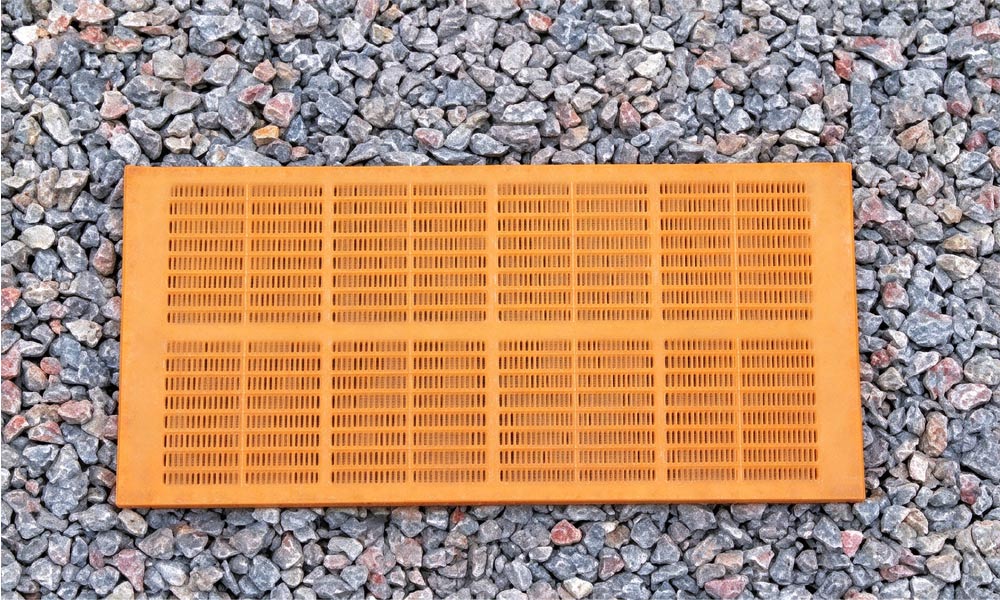
The final high-impact layout anti-blinding feature that stops clay from bridging across multiple adjacent openings is the unique raised offset aperture layout on a specialized PU Dewatering Screen Mesh, instead of a flat straight grid pattern. On a standard flat grid layout, sticky wet clay can easily form a thin continuous bridge across the narrow solid PU strips between adjacent apertures, sealing off a whole group of openings at once even if no individual aperture is fully blinded. The raised offset layout positions every aperture slightly higher than the solid strip between them, and shifts every row of openings out of alignment with the rows above and below, so there is no continuous flat surface for sticky clay to form a bridge across multiple openings. Multiple heavy clay tailings treatment sites shared that this layout completely eliminated the large patch blinding that used to cover 30% of their deck surface by the middle of every shift.
When you combine all four of these purpose-built anti-blinding features, fully tapered apertures, independently flexible ribs, low-surface-tension PU formulation and offset raised aperture layout, you get a dewatering mesh that can run continuously for days or even weeks processing the stickiest clay slurry, with almost no blinding, no manual clearing stops and consistently low final cake moisture that you could never achieve with a standard generic PU or metal mesh.