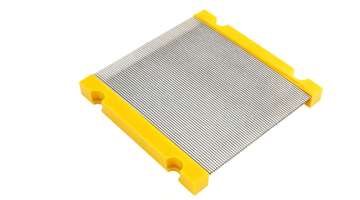
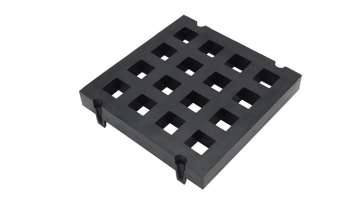
PU Dewatering Screen Panels For Fine Ore And Coal Slime Dewatering
Dewatering is one of those jobs in a coal preparation plant or fine ore circuit that nobody talks about until it stops working properly, and then it becomes the most important thing on site. The problem is that fine material behaves nothing like the coarse feed that most screens are designed around, because it blinds easily, it holds moisture stubbornly, and it punishes any media that cannot keep its apertures clear under a heavy bed. A PU dewatering screen mesh panel is built specifically for this duty, and the difference it makes compared to general purpose media is usually obvious within the first shift. This article looks at why polyurethane suits dewatering applications, how the panel design supports drainage, and what to consider when specifying and running it.
Why Fine Material Demands A Different Approach To Screen Media
Fine coal slime and fine ore are difficult to dewater because the particles are small enough to lodge in apertures, and once a few of them stick the problem compounds quickly. A PU Dewatering Screen Mesh Panel addresses this at the material level, because polyurethane has a low friction surface that resists the adhesion that causes blinding in the first place. The elastic nature of the material also helps, since the panel flexes slightly under the vibrating motion and that movement helps to shed particles that would otherwise sit in the aperture. Steel media in the same duty tends to corrode and wear at the aperture edges, which enlarges the openings and lets oversize material through, and it also blinds more readily because the surface is less forgiving. The result is that polyurethane panels hold their aperture size and their drainage performance far longer in fine material duty.
Aperture Design And Drainage Performance
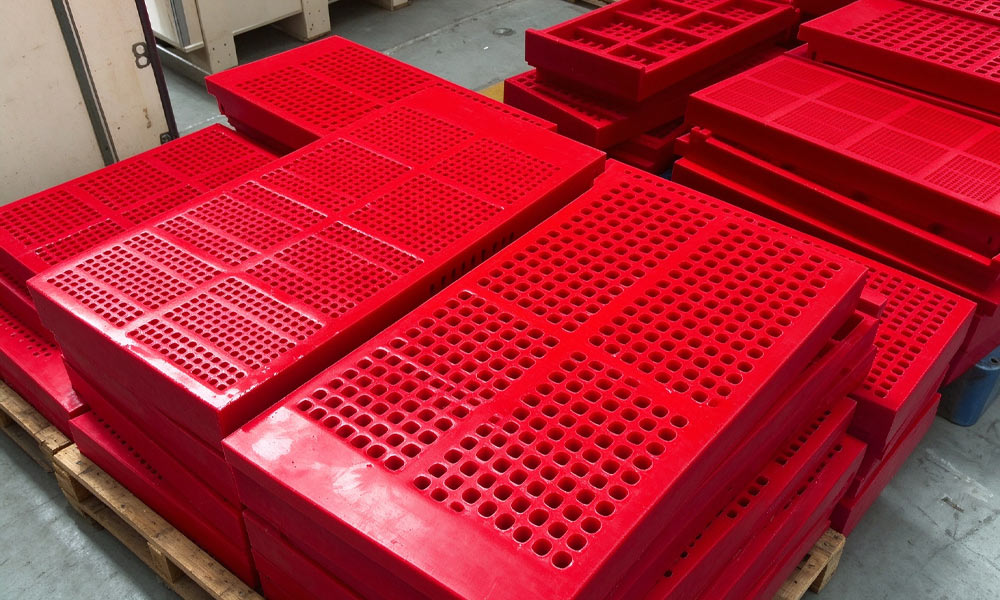
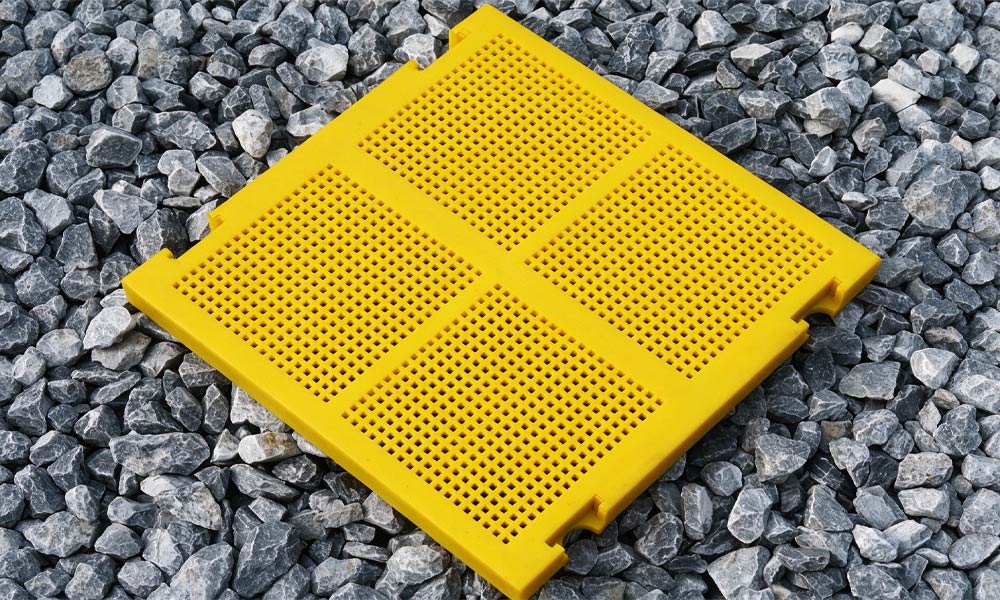
The drainage performance of a dewatering panel comes down to how quickly water can leave the bed, and that depends on aperture size, open area, and the profile of the openings. A PU Dewatering Screen Mesh Panel is typically moulded with a tapered aperture that is wider at the bottom than at the top, which reduces the chance of particles wedging and encourages water to drain freely. The open area is carefully balanced against the strength of the panel, because too much open area weakens the structure and too little restricts drainage, and the right figure depends on the feed size distribution and the target moisture content. Slot shaped apertures are common in dewatering duty because they give good drainage while retaining more fines than a square opening of the same width, and the orientation of the slots relative to the flow direction affects how the bed moves across the deck. Getting this right is a matter of matching the panel to the application rather than applying a standard specification.
Installation And Deck Setup For Dewatering Duty
Dewatering screens are usually run at a steeper angle than sizing screens, and the deck setup has a direct effect on how well the media performs. A PU Dewatering Screen Mesh Panel needs a frame that is straight and true, with all fixings seated properly, because any movement under load will accelerate wear and can cause the panel to work loose. The tension or clamping arrangement should be checked against the manufacturer's specification, since dewatering panels are often held differently from sizing media and using the wrong fixing can damage the panel or the frame. It is also worth checking the deck for worn support rails before fitting new panels, because a worn rail will not support the panel evenly and will cause premature failure at the contact points. Once installed, run the screen empty for a short period to confirm that everything is seated and that there is no unusual movement before introducing feed.
Maintenance, Monitoring And Common Operating Mistakes
The maintenance routine for dewatering media is mostly about watching for changes in performance rather than waiting for visible damage. A PU Dewatering Screen Mesh Panel will show a gradual loss of drainage as it wears, and the first sign is usually a rise in product moisture rather than an obvious physical defect. Recording moisture content and throughput at regular intervals gives an early warning that something is changing, and it allows panels to be replaced before performance drops below specification. The most common operating mistakes are running the screen with a feed that is too coarse for the panel, overloading the deck so that the bed is too deep for effective drainage, and neglecting the spray or wash water arrangement that keeps the apertures clear. Correcting these is usually cheaper than replacing media more often, and it is worth reviewing the whole dewatering circuit rather than treating the panel as the only variable.
PU dewatering screen mesh panels have become the standard choice in coal slime and fine ore dewatering for good reason, because they combine wear resistance, stable apertures, and drainage performance in a way that general purpose media cannot match. They are not a fit and forget item, and the plants that get the best results are the ones that specify the panel for the duty, install it correctly, and monitor performance rather than waiting for failure. Treat the dewatering circuit as a system, keep the feed and the bed depth within the design range, and the panels will deliver consistent moisture content with far less attention than the alternatives demand.