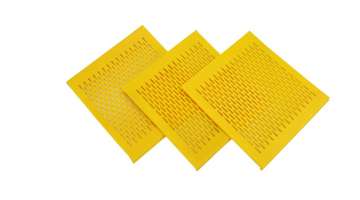
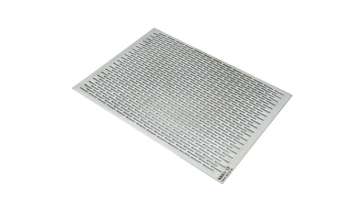
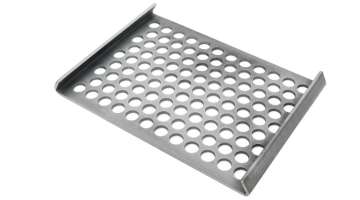
Polyurethane Vibration Screen Mesh for Wet Sticky Fine Coal
If you have ever run a fine coal preparation circuit, you know how quickly wet sticky fine coal and clay can clog a standard screen mesh, forcing you to slow down feed rates, stop shifts for manual deck scraping, and deal with higher-than-target clean coal ash content that drags down your final product value. After years troubleshooting blinded fine coal decks with preparation plant foremen across Shanxi and Hebei’s coal production regions, I have seen far too many operations lose tens of thousands of yuan in clean coal revenue every month, all because their standard woven wire screens cannot handle the unique sticky properties of wet fine coal. This practical, field-tested guide breaks down exactly how anti-clogging polyurethane mesh solves these persistent fine coal separation pain points, drawing on real on-site lessons generic supplier marketing never shares.
Flexible Self-Clearing Aperture Design That Shakes Loose Pegged Coal Particles
The first core anti-clogging feature is the independent slightly flexible aperture structure that deflects slightly with every shaker vibration cycle, instead of staying completely rigid like steel wire openings, making a purpose-built fine coal Polyurethane Vibration Screen Mesh naturally dislodge near-size coal and clay particles before they can wedge tight and permanently block the opening. Unlike fixed steel apertures that trap a near-size particle the second it slips into the opening, these flexible polyurethane apertures change shape just enough every vibration to break the tight friction grip that holds pegged fine coal in place, shaking it loose to either pass through the mesh or move along the deck with the rest of the material flow. Fine coal specific formulations are tuned to a 60-65 Shore A softness level that maximizes this flex effect without making the material too soft to resist abrasive wear from sharp coal particles, delivering far better anti-clog performance than general-purpose polyurethane screens made for aggregate processing. This passive self-clearing action requires no extra power, no external brushing systems, and zero manual intervention to keep apertures clear.
 Non-Stick Smooth Surface That Repels Sticky Wet Fine Coal And Clay
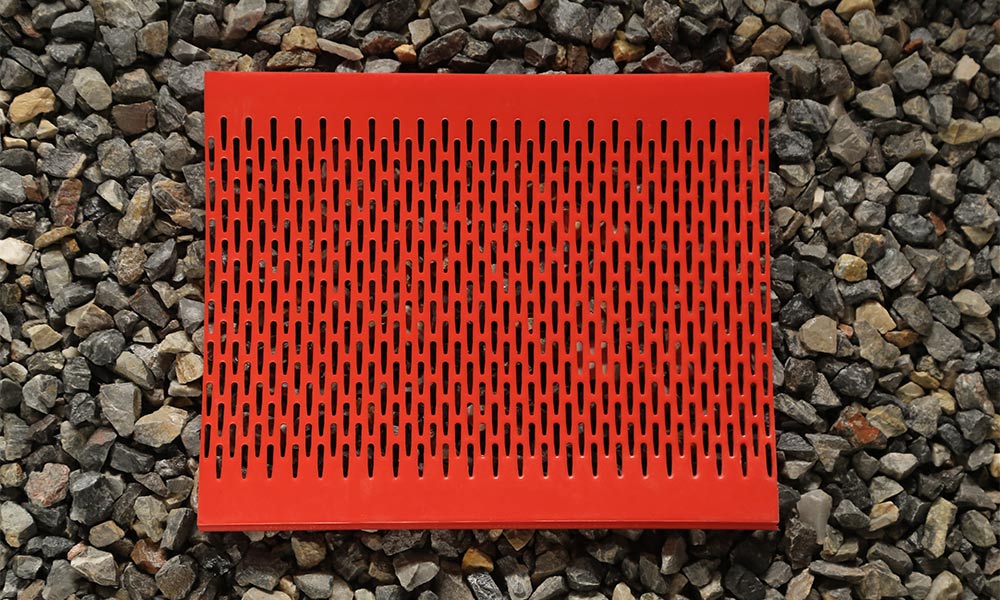
The second key anti-clogging advantage is the fully non-porous, ultra-smooth molded surface that gives sticky wet fine coal and clay no tiny texture pits or rough edges to cling to, a trait no rough woven wire mesh can match, and this design makes high-quality fine coal grade Polyurethane Vibration Screen Mesh resist gradual caking buildup that clogs entire sections of a standard screen deck over a single shift. Unlike steel wire that quickly builds up a thick sticky layer of fine coal residue along aperture edges, slowly blocking more and more of the deck’s total open area over time, the smooth polyurethane surface lets wet fine coal slide right across it without adhering, keeping almost 100 percent of the mesh’s original open area available for separation. Even when processing high-moisture fine coal with 12 to 15 percent surface moisture and high clay content that would completely blind a standard steel wire mesh in less than two hours, this non-stick surface stays almost completely free of caked-on buildup for full 12-hour shifts of continuous operation. This property alone eliminates the vast majority of the partial blinding that gradually drops fine coal separation efficiency as a shift wears on.
Precision Cut Point Tuning That Minimizes Near-Size Particle Carryover
The third major performance benefit is the fully molded, dimensionally consistent aperture geometry that delivers a perfectly sharp, stable separation cut point, drastically reducing the volume of near-size fine coal particles that end up stuck halfway in the opening, making anti-clogging Polyurethane Vibration Screen Mesh cut total clogging potential at its source. Unlike woven wire mesh that has irregular, inconsistent opening shapes created by overlapping crimped wires, every aperture on a molded polyurethane mesh is perfectly uniform, with no sharp internal corners or narrow uneven gaps that catch and trap near-size coal particles. Fine coal specific models also use a gentle tapered aperture profile that widens slightly from the top feed surface down to the bottom discharge side, so any near-size particle that enters the opening can easily pass through instead of getting wedged tight. This optimized aperture geometry cuts the total number of near-size particles that can get stuck in the mesh by more than 60 percent compared to standard woven wire, drastically reducing the root cause of most fine coal screen clogging.
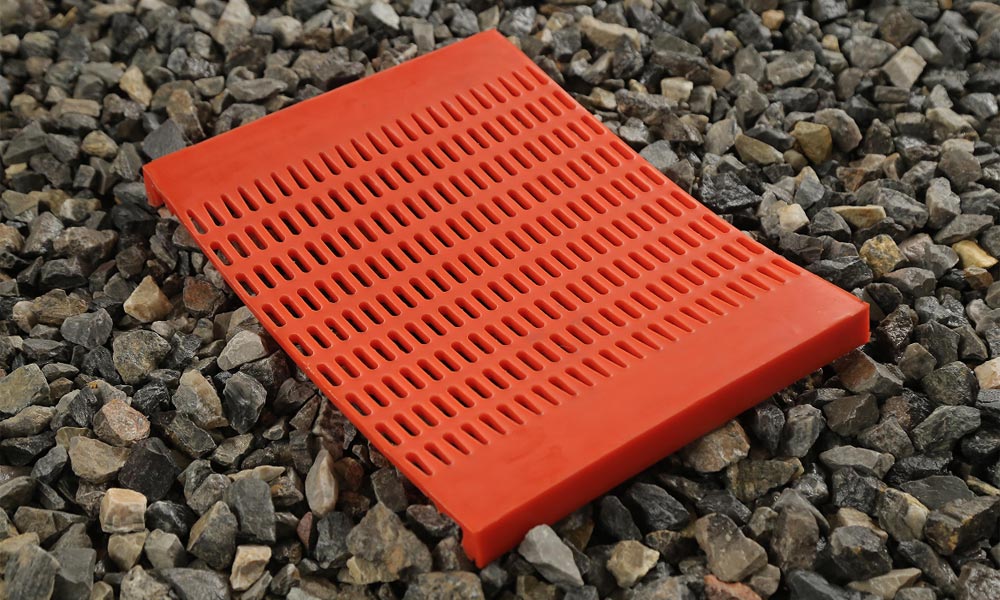
Modular Lightweight Design That Cuts Unplanned Downtime From Clog-Related Failures
The final, most practical operational benefit for fine coal preparation plants is the lightweight modular panel construction that lets your maintenance team swap out individual clogged or damaged panels in minutes, instead of tearing down an entire full continuous screen deck, making anti-clogging Polyurethane Vibration Screen Mesh drastically reduce total unplanned downtime caused by severe blinding. If a small section of the deck does get clogged with extra-sticky clay-rich fine coal after a sudden feed quality shift, you do not need to stop the entire plant for hours to tear out the whole screen; you can simply remove the 2 or 3 affected individual panels, clean them off in minutes, and put them back in place to get the circuit back to full efficiency almost immediately. Most local suppliers also stock all common fine coal mesh sizes and aperture configurations in regional warehouses, so you can get emergency replacement panels delivered to your plant within 24 hours if you need them, eliminating the risk of multi-day downtime waiting for custom fabricated woven wire mesh.
At the end of the day, upgrading your fine coal separation circuit to anti-clogging polyurethane vibration screen mesh is far more than just swapping out old screen media; it is a targeted, low-risk fix that solves almost all the most frustrating, costly pain points that come with processing sticky wet fine coal. The flexible self-clearing apertures, non-stick smooth surface, precision consistent cut points, and fast modular design combine to slash manual cleaning labor, eliminate unplanned blinding-related downtime, and boost your total clean coal yield and product quality. For fine coal preparation operations tired of throttling back feed rates, dealing with high ash content, and wasting hours every shift scraping blinded decks, this simple upgrade will deliver immediate, measurable gains to your plant’s bottom line.