Polyurethane Vibrating Screens for Stable Mineral Classification
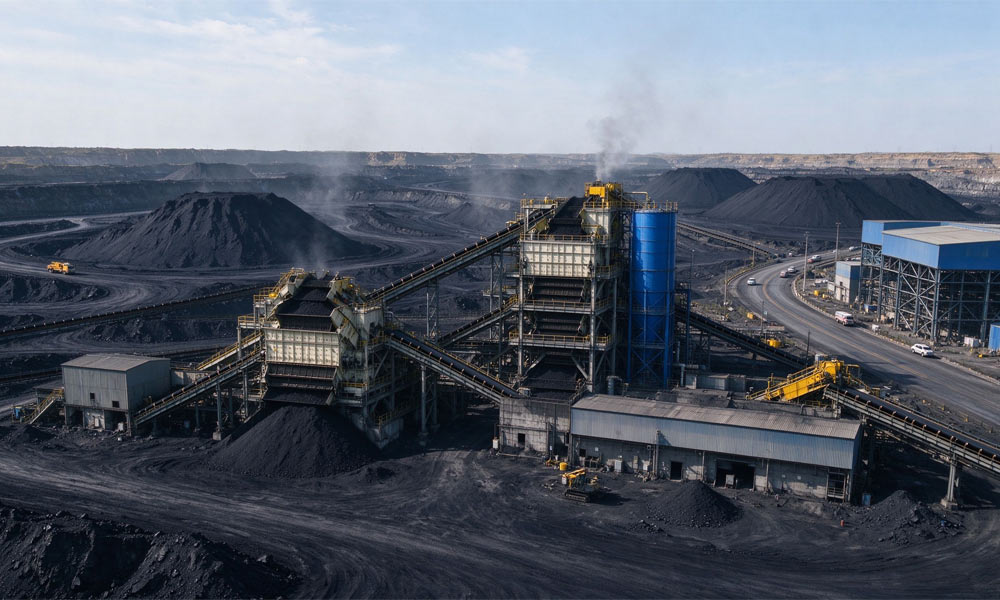
If you have ever run a mineral classification circuit, you know how costly it is when your screen’s cut point drifts out of spec, letting oversize rock contaminate your fine concentrate or sending valuable fine mineral slipping through to waste tailings. After years troubleshooting underperforming classification decks with mineral processing engineers across North China, I have seen far too many operations waste huge sums on downstream reprocessing and lost ore recovery, all because their standard steel screens cannot maintain consistent separation accuracy under continuous heavy operation. This practical, field-tested guide breaks down exactly how high-efficiency polyurethane vibrating screens solve these persistent mineral classification pain points, drawing on real on-site lessons generic supplier manuals never share.
Dimensionally Stable Molded Apertures For Consistent Cut Point Control
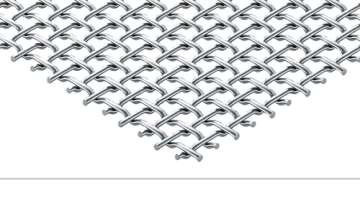
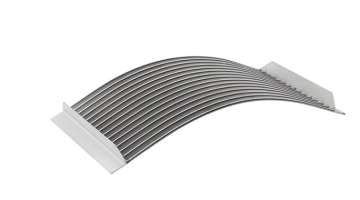
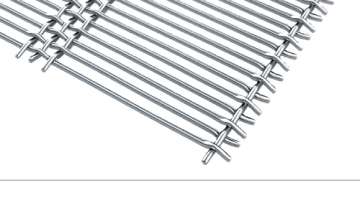
Molded apertures hold their size. On a classification screen built for the job, the openings are molded into the panel. They do not stretch, deform, or drift out of size, even after thousands of hours of heavy operation at high vibration. Steel wire mesh works differently: individual wires wear and stretch, and the mesh widens over time. A molded polyurethane aperture is made to its target size and keeps that dimension for the full service life of the screen, so polyurethane screens classify more precisely and more consistently than steel media.Classification-grade panels also use precision-machined tapered apertures. The taper removes the sharp internal edges that would catch and hold near-size particles, so everything below the cut point passes through cleanly while oversize material stays on the deck. With the cut point holding steady, almost all of the inconsistent separation that forces rework of off-spec product goes away.
 Low-Adhesion Non-Stick Surface That Eliminates Fine Material Blinding
The second key efficiency feature is the inherently smooth, non-porous low-friction polyurethane surface that gives sticky fine mineral particles no rough texture or surface pits to cling to, drastically reducing blinding that clogs apertures and ruins classification efficiency, and this design makes high-efficiency Polyurethane Vibrating Screens maintain their full open area and peak classification performance shift after shift. Unlike rough woven wire that quickly builds up caked fine mineral residue along aperture edges, gradually blocking 30 to 40 percent of the deck’s total open area over a single shift, the non-stick polyurethane surface stays almost completely free of buildup even when processing high-moisture clay-rich fine ore. Premium models also add subtle micro-flex properties to each individual aperture, so every small vibration cycle makes the opening flex slightly to shake loose any near-size particle that tries to wedge in place, delivering a passive self-cleaning effect that requires zero manual intervention. This consistent full open area ensures your classification deck never loses throughput or precision to partial blinding.
Modular Zone Layout That Matches Different Classification Stages
The third major practical advantage for mineral classification operations is the fully modular panel design that lets you mix and match different aperture sizes and panel properties across different zones of the same deck, instead of being forced to cover the entire surface with a single uniform screen, making high-efficiency Polyurethane Vibrating Screens far more flexible than continuous steel decks for multi-stage classification duties. You can fit larger high-flow apertures at the feed end of the deck to scalp coarse oversize rock before it reaches the fine classification zone. The middle 60 percent of the deck carries apertures at your exact target cut point for the main fine separation. High-open-area slotted panels on the discharge end give the finished fine product a final dewatering pass. Each section then does one job, instead of a single generic screen design handling three different classification tasks. In most mineral processing applications this layout raises overall circuit efficiency by 20 percent or more.
Lightweight Reinforced Construction That Cuts Vibration Energy Waste
The final, most underrated efficiency benefit is the lightweight but fully reinforced plate construction that is 70 percent lighter than an equivalent full steel wire screen deck, so your shaker motor does not waste huge amounts of extra energy moving unnecessary heavy mass, letting high-efficiency Polyurethane Vibrating Screens deliver the same or higher throughput while drawing far less power. The reduced total deck mass also means the full vibration energy from the shaker is transferred directly to moving and stratifying the mineral feed on the deck surface, instead of being wasted shaking the heavy screen frame itself. This more efficient energy transfer creates far better particle stratification on the deck, so fine material quickly settles down to the screen surface to pass through, instead of bouncing around on top of the coarse material layer for extra cycles. This improved stratification directly boosts both your classification throughput and your fine mineral recovery rate, while cutting your deck’s total power consumption by 15 to 20 percent.
At the end of the day, upgrading your mineral classification circuit to high-efficiency polyurethane vibrating screens is far more than just swapping out one wear part for another; it is a targeted, low-risk upgrade that solves almost all the most frustrating, costly pain points that drag down classification performance. The zero-drift stable cut points, anti-blinding non-stick surface, flexible zoned layout, and energy-saving lightweight construction combine to slash off-spec product rework, boost fine mineral recovery, and cut long-term operating costs. For mineral processing operations tired of dealing with drifting cut points, constant blinding, and wasted energy, this simple upgrade will deliver immediate, measurable improvements to your entire classification line’s long-term profitability.