Polyurethane Mesh vs Steel Wire Mesh: Calculate the Real Cost
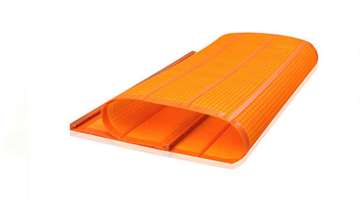
When plant managers spec out screen media, the sticker price usually grabs the attention first—and steel wire mesh almost always wins that first glance. But the real story on a crushing circuit is not purchase price; it is cost per ton screened over a full year. Polyurethane Mesh rarely beats woven wire on upfront cost, yet in abrasive, wet, or sticky duties it routinely outlasts steel by several times and quietly saves a fortune in labor, downtime, and lost production. Looking at life and cost together is the only way to make a choice that holds up on the plant floor.
Service Life: Gradual Wear vs Sudden Breakage
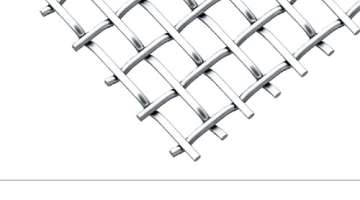
Steel wire mesh wears the way you would expect metal to: wires thin out, break at the weave points, and the aperture drifts open until your cut size is no longer yours. In granite or iron ore duty, that can mean swapping media every few weeks. Polyurethane Mesh, by contrast, erodes gradually rather than failing catastrophically—typically 2 to 4 times longer life, and sometimes far more in fine or wet screening. Because the material flexes, it also keeps its aperture shape, so screening accuracy stays consistent instead of slowly degrading session by session.
Counting the True Cost, Not Just the Tag
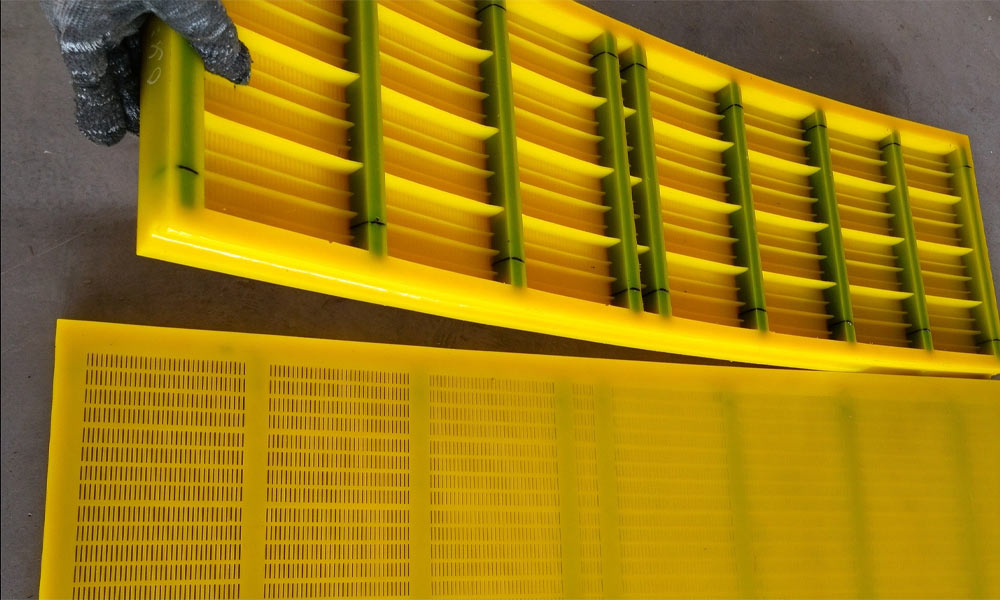
On paper, wire mesh might cost a third of a PU panel. In practice, you are buying more than the panel: you are paying for each changeout crew, each shutdown hour, and each ton of feed that did not move while the deck was open. Polyurethane Mesh spreads that cost across a much longer interval. Fewer replacements mean fewer 4-hour stoppages, less manual handling, and steadier output. When you calculate total cost of ownership—media plus labor plus downtime—PU often lands 40 to 60 percent lower per ton, even though the initial invoice looks bigger.
Where Each Media Actually Belongs
This is not a blanket "PU is better" argument. Wire mesh still earns its place on dry, clean, coarse feeds where maximum open area and sharp cut points matter more than wear life. Polyurethane Mesh takes the lead the moment the job gets messy: wet screening, clay-bound aggregate, abrasive hard rock, near-size fines, dewatering decks. A practical move many plants use is a split deck—wire up top for open-area throughput, PU in the high-wear sizing zone—so you get capacity where you need it and durability where it hurts.
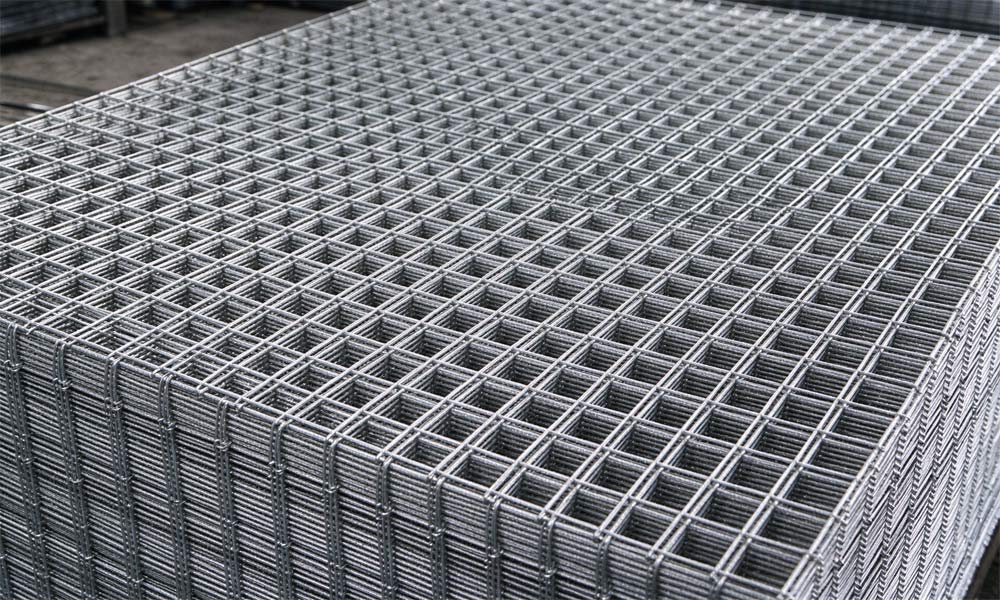
The smart comparison is never "which panel is cheaper today" but "which one costs less by the time the dust settles." If your wire mesh is failing faster than your maintenance team can keep up, it is time to rethink the media. Share your feed conditions and deck layout with our engineers, and we will help you size the right Polyurethane Mesh solution—built to last longer, change less often, and lower your true cost per ton.