Tips To Extend Service Life of Polyurethane Fine Screen
A polyurethane fine screen is one of the more forgiving pieces of equipment in a processing plant, but forgiving is not the same as indestructible, and most of the panels that fail early do so for reasons that were entirely preventable. The material resists abrasion, hydrolysis, and blinding far better than steel or rubber in fine wet duty, yet it still has limits, and those limits are usually reached through poor seating, uneven feed, or inspection that only looks for visible damage. Extending service life is therefore less about buying a premium panel and more about the routines that surround it. This article covers the practices that matter most, from correct installation and tensioning through feed control, cleaning, inspection, and the record keeping that turns maintenance from guesswork into planning.
Installation And Tensioning Set The Baseline
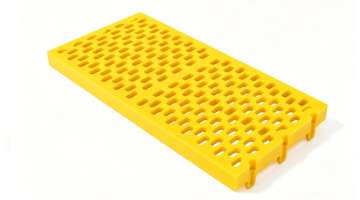
Service life begins before the screen ever runs, and a Polyurethane Fine Screen that is badly installed will wear out long before its material deserves to. The panel has to sit flat and fully supported, because any gap or high spot under the surface creates a point where the panel flexes against nothing, and that local movement accelerates wear and can crack the moulding. Tensioning or fixing should follow the manufacturer's specification rather than being tightened by feel, since over-tensioning distorts apertures and under-tensioning allows the panel to work loose and fret against its frame. The deck itself should be checked for flatness and cleanliness before fitting, because debris trapped under a panel becomes a wear point that no amount of later care will undo. Taking time at installation is the cheapest maintenance a plant will ever do, and it is the step most often rushed when a shutdown is running late.
Feed Control And Even Loading
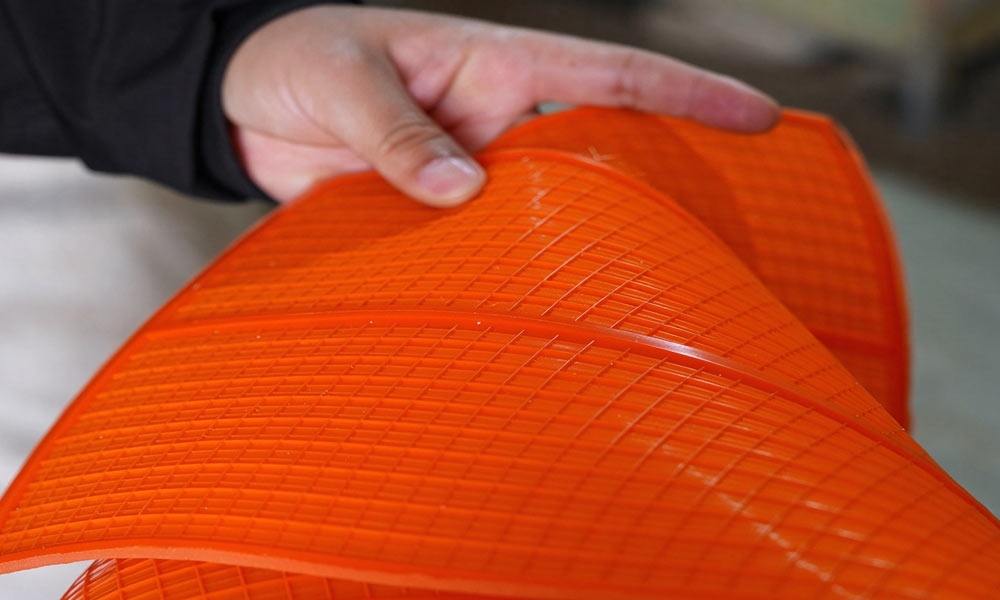
Most premature wear on a Polyurethane Fine Screen traces back to how the material arrives rather than to the panel itself. Feeding should be steady and spread across the full width of the deck, because a concentrated stream loads one section heavily while the rest of the surface does little work, and the result is uneven wear that forces replacement of a panel with plenty of life left in most of its area. Bed depth matters as well, since an overloaded deck compacts the material, reduces screening efficiency, and increases the abrasive load on the surface, while a starved deck allows material to fall directly onto the panel and can cause impact damage at the feed end. Feed chutes and distributors should be checked periodically for wear and misalignment, because a small change in where the material lands can shift the wear pattern significantly. Keeping the feed consistent is one of the simplest ways to get full value from the media.
Cleaning, Blinding And What To Avoid
Fine duty makes blinding the quiet enemy of panel life, and a Polyurethane Fine Screen that is allowed to blind will be replaced for the wrong reason. Partial blinding reduces open area, deepens the bed, and increases the load on the remaining apertures, so the panel works harder and wears faster even though the surface itself may be sound. Regular inspection should therefore look at whether the apertures are open rather than only at whether the panel is broken, and any blinding should be cleared before it becomes established. Cleaning should use methods suited to polyurethane, which means avoiding sharp tools, excessive heat, and aggressive solvents that can attack the material, and using water and appropriate brushes where mechanical cleaning is needed. Wash water systems should be checked for blocked nozzles, since a dry section of deck is a section that will blind and wear.
Inspection, Record Keeping And Planned Replacement
The final layer of maintenance is the one that turns observation into planning, and it is where many plants leave value on the table. A Polyurethane Fine Screen should be inspected on a defined schedule that includes checking for cracks, checking aperture condition, checking that the panel is still seated and tensioned, and looking at the wear pattern across the deck rather than only at the worst point. Records should link panel life to tonnage processed and to feed conditions, because that is what allows a plant to predict replacement instead of reacting to failure, and it also reveals whether a change in feed or operation has shortened life. Replacement should be planned around that data, and panels should be replaced in sets where wear is uneven, since a new panel beside a worn one will take more than its share of the load. Treating inspection as a routine rather than an afterthought is what keeps a fine deck performing.
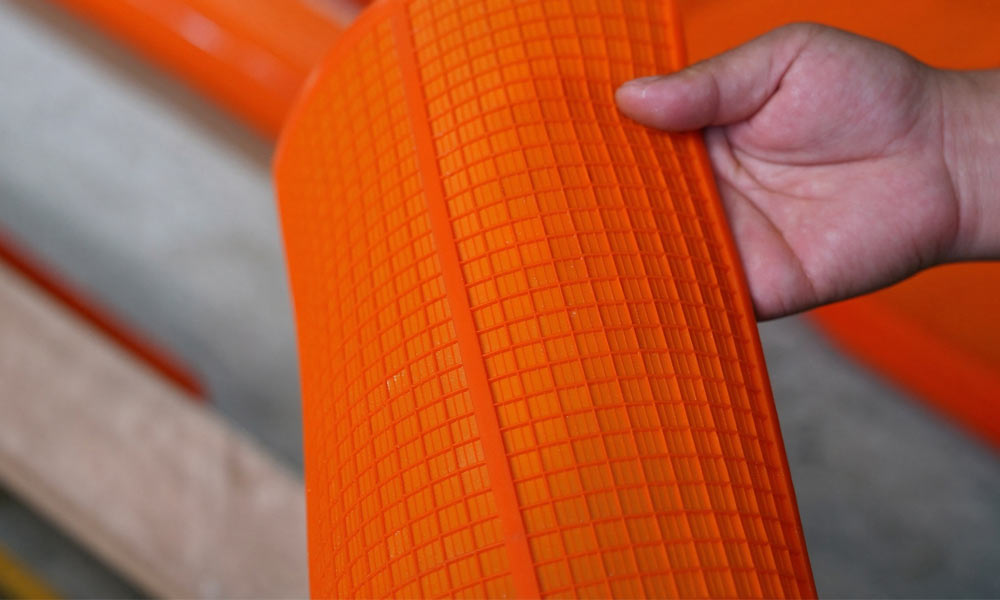
A polyurethane fine screen rewards good habits more than it punishes bad ones, and the habits that matter are unglamorous: install it flat and correctly tensioned, feed it evenly and at the right depth, keep the apertures open, and inspect on a schedule that looks at condition rather than only at breakage. None of these steps requires special equipment or significant downtime, yet together they are what separates a panel that runs to its expected life from one that fails early and takes a production window with it. The material itself is durable and well suited to fine wet duty, and the plants that get the most from it are simply the ones that let it do its job under the conditions it was designed for.