Poly Ripple Screen For Wet Coal Screening In Coal Preparation
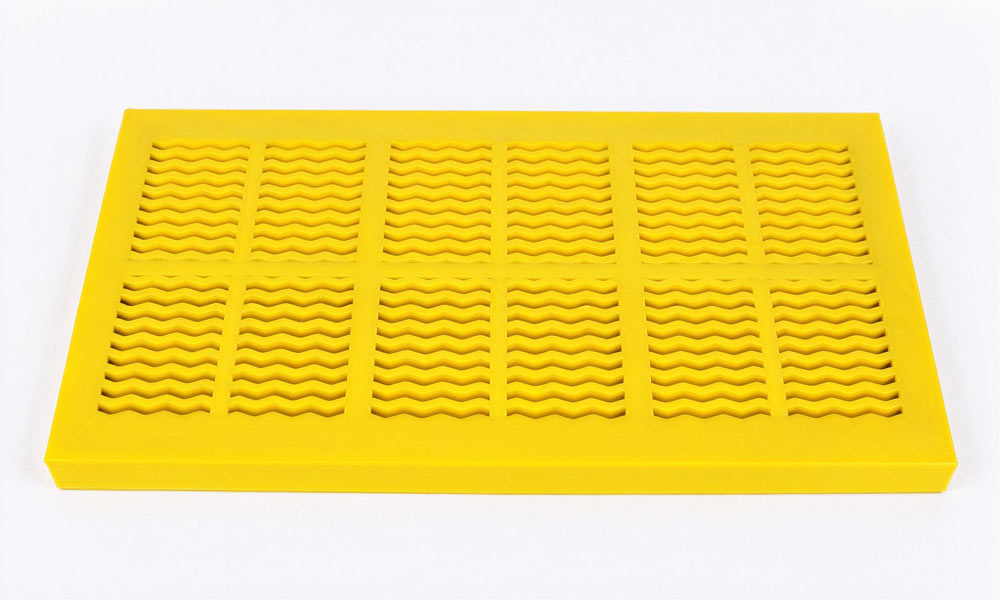
Wet coal is one of the more awkward feeds a screening deck has to handle, because coal is soft enough to break down under handling, light enough to be carried by water, and often wet enough that the fines turn into a paste that seals an aperture rather than passing through it. A poly ripple screen is designed around that specific difficulty, using a molded polyurethane panel with a rippled surface and flexible apertures that keep the openings clear while the deck runs. The benefit is not a single dramatic improvement but a combination of effects that together make wet coal screening more stable, since the panel resists the blinding that steals capacity, sheds the sticky fines that cause it, and does so without the weight and corrosion problems that steel brings to a wet duty. This article looks at why wet coal is so difficult to screen, how the ripple design addresses it, what the panel delivers in practice, and where it fits best.
Why Wet Coal Is So Difficult To Screen
Wet coal is difficult because the material combines softness, low density, and moisture in a way that defeats a conventional panel, and a Poly Ripple Screen is a response to that combination rather than to any one characteristic. The coal breaks down under handling, so the feed contains a high proportion of fines that are close to the aperture size and therefore the most likely to lodge in it, and those fines are soft enough to deform into an opening rather than bouncing off it. The moisture turns those fines into a paste that bridges across apertures and clings to the deck, and because coal is light, the water can carry the fine material across the panel rather than letting it drain, so the deck ends up handling a slurry rather than a granular feed. The result is a panel that blinds quickly, loses its open area, and produces a wet product that carries water into downstream equipment. Wet coal punishes any aperture that depends on the material draining freely, which is why the problem is structural.
How The Ripple Design Addresses Blinding
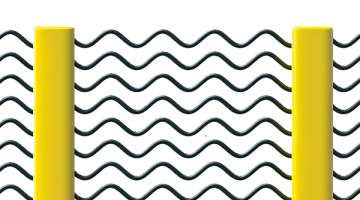
The ripple design of a Poly Ripple Screen addresses blinding because the raised and recessed surface changes how material moves across the deck rather than simply presenting a flat aperture. The rippled profile creates local variations in the angle of the screening surface, so particles are repeatedly redirected as they travel, and that redirection breaks the bridges that form across an opening and prevents the fines from settling into a stable layer. The flexible polyurethane apertures deform as the deck vibrates, and that movement releases the material that has lodged in an opening, so the cleaning action happens continuously during the run rather than only during a wash-down. The combination of surface geometry and aperture flex is what makes the panel suited to wet coal, since the ripple keeps the material moving while the flex keeps the openings clear, and the two effects reinforce each other rather than working independently.
What The Panel Delivers In Practice
In practice, a Poly Ripple Screen delivers a set of benefits that compound through the shift, and the first is sustained open area in a duty where a conventional panel loses it within hours. Because the apertures keep clearing, the deck holds its capacity instead of decaying, and the screening result stays consistent from the start of the run to the end rather than degrading as the panel blinds. The second is a drier product, since water that can reach an aperture can leave the coal, and a deck that stays open produces a product that carries less unnecessary moisture into downstream equipment. The third is reduced wash-down demand, because the cleaning happens during the run rather than requiring a stoppage, and the water and labour those wash-downs consume are freed for other work. The fourth is a lighter, corrosion-resistant panel, since polyurethane does not rust in a wet duty and weighs less than steel, which makes handling and changeout easier.
Where The Panel Fits Best
A Poly Ripple Screen fits best where the feed is wet, fine, and sticky, because those are the conditions under which blinding is most likely and the ripple design's advantages are largest. Coal preparation plants handling wet feed, dewatering duties ahead of centrifuges, and decks screening material with a high fines content are all natural applications, since each brings the combination of moisture and near-size particles that the panel was designed for. The panel is less compelling where the feed is coarse and dry, because blinding is rarely the constraint at large apertures and a simpler panel will serve at lower cost, and it is less compelling where the duty is heavily abrasive, because polyurethane wears faster than hardened steel in that service. Matching the panel to the duties where blinding is the real problem is what makes the choice pay, and applying it where the constraint lies elsewhere adds cost without adding benefit.
Wet coal screening punishes any panel that depends on the feed draining freely, and a poly ripple screen answers that difficulty by keeping the material moving and the apertures flexing rather than relying on the coal to clear itself. The result is sustained open area, a drier product, fewer wash-downs, and a lighter panel that suits a wet duty. The design is not the right answer for every application, but where the feed is wet, fine, and sticky, it addresses the exact failure mode that makes the duty hard. For plants that have been managing blinding by stopping the deck, the ripple panel is often the change that removes the problem rather than managing it.