High Carbon Steel Anti-Clogging Screen For Heavy-Duty Mining
Heavy-duty mining screening asks a lot of a deck, because the feed arrives coarse, abrasive, and often wet, and the panel has to survive that punishment while still keeping its apertures open. A high carbon steel anti-clogging screen answers both demands at once, pairing a wire with the hardness and wear resistance that abrasive ore requires against an aperture geometry designed to resist pegging and blinding under load. The combination matters because the two problems are usually solved separately, with wear addressed by thicker wire and clogging addressed by a different panel type, and a screen that handles both avoids the compromise that comes from choosing between them. This article looks at why heavy-duty mining is such a severe duty, what high carbon steel contributes, how the anti-clogging geometry works under that load, and where the screen fits best.
Why Heavy-Duty Mining Is Such A Severe Duty
Heavy-duty mining is severe because the screen is asked to do three difficult things simultaneously, and a High Carbon Steel Anti-Clogging Screen is built around that combination rather than around any one of them. The feed is coarse and heavy, so each impact carries energy that a light panel cannot absorb, and the deck is expected to run at high tonnage without the panel deflecting or fatiguing. The material is abrasive, so every tonne passing over the wire removes a little of it, and the wear rate determines how often the deck has to be stopped and how much labour that stoppage consumes. The feed is also frequently wet or sticky, particularly in operations where the ore is washed or where the climate supplies the moisture, and that condition brings pegging and blinding into a duty that is already hard on the hardware. Solving wear alone produces a panel that blinds, and solving clogging alone produces a panel that wears out, which is why the two have to be addressed together.
What High Carbon Steel Contributes
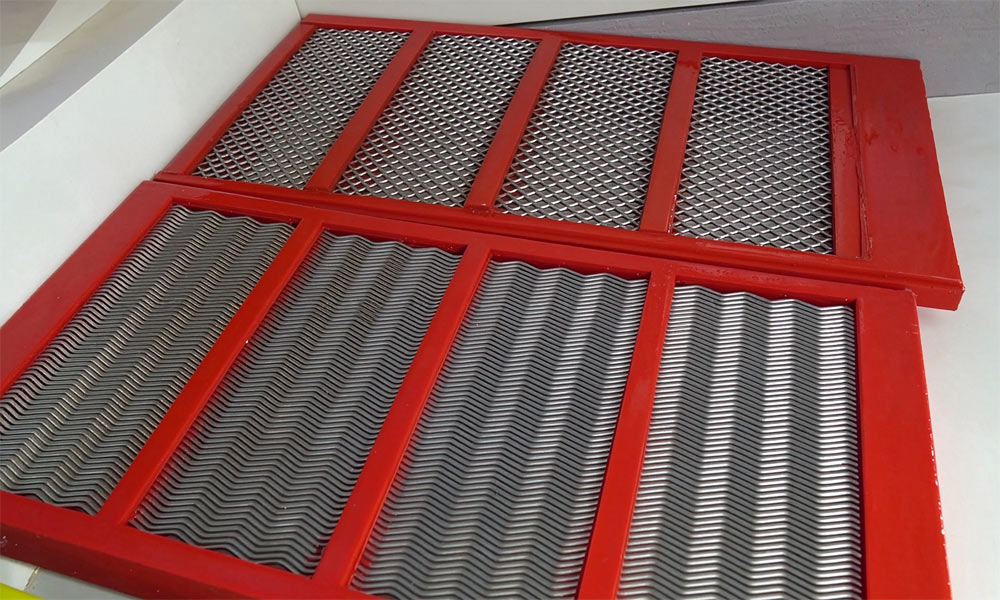
High carbon steel contributes the wear resistance that makes a High Carbon Steel Anti-Clogging Screen viable in abrasive service, because the carbon content allows the wire to be hardened to a level that resists abrasion without becoming so brittle that it fails under impact. The hardness is what stands up to the ore, since abrasive wear is essentially a grinding action and a harder surface grinds away more slowly than a softer one, and the difference shows up as longer campaigns between changeouts rather than as a dramatic single improvement. The steel also offers the stiffness needed to hold an aperture geometry under load, because a wire that deflects too readily will lose the shape that keeps the openings clear, and a screen that holds its shape holds its performance. The trade-off is that high carbon steel is less forgiving than milder wire, so the panel design and the mounting have to suit the material rather than treating it as a drop-in substitute, and matching the grade to the duty is what allows the wear benefit to be realised without introducing a fragility problem.
How The Anti-Clogging Geometry Works Under Load
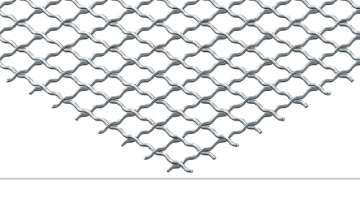
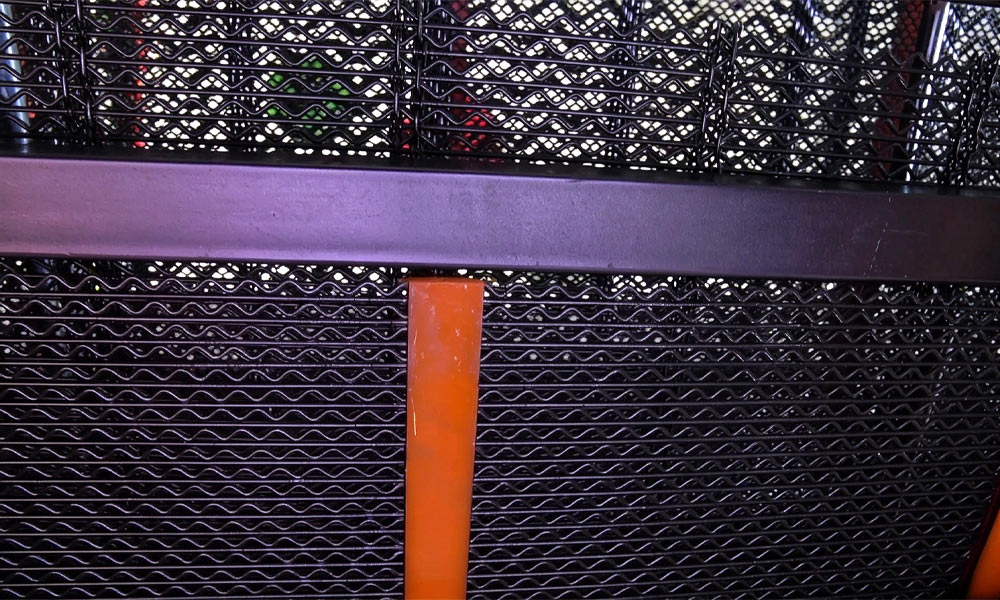
The anti-clogging geometry of a High Carbon Steel Anti-Clogging Screen works under load because it is designed around the way near-size particles behave when they are pressed into an aperture rather than around the way they behave in free fall. The aperture shape and the wire arrangement are chosen so that particles which enter an opening are not held there by the surrounding wires, and the deck motion works with that geometry to release the material that would otherwise peg. Because the wire is stiff, the geometry holds its intended shape through the campaign rather than deforming into a configuration that traps particles, and that stability is what allows the anti-clogging design to keep working as the panel wears. The screen does not rely on flexing in the way a polyurethane panel does, so the cleaning action comes from geometry and motion rather than from deformation, which suits the heavy-duty duty where a flexible panel would not survive the impact. The result is a deck that keeps its open area in service rather than only when new.
Where The Screen Fits Best
A High Carbon Steel Anti-Clogging Screen fits best where the duty combines abrasion with a genuine clogging problem, because that is the combination it was designed to address and the combination in which its advantages compound. Primary and secondary screening of abrasive ore, scalping ahead of crushing, and decks handling wet or sticky feed in a hard-rock operation are all natural applications, since each brings both wear and pegging into the same duty. The screen is less compelling where the feed is non-abrasive and blinding is the only concern, because a polyurethane panel will usually handle that duty with a better self-cleaning action and without the weight, and it is less compelling where the feed is dry and free-flowing, because a conventional panel will serve at lower cost. The screen earns its place where the deck has been losing capacity to clogging while also consuming panels to wear, and where the two problems have been managed separately at the cost of one or the other.
Heavy-duty mining screening punishes any panel that solves only half its problem, and a high carbon steel anti-clogging screen is built to solve both at once, pairing a hardened wire that resists abrasive ore with a geometry that keeps apertures clear under load. The steel supplies the wear life and the stiffness, the geometry supplies the cleaning action, and together they produce a deck that holds its capacity through the campaign rather than losing it to pegging or to wear. The screen is not the right answer for every duty, but where abrasion and clogging arrive together, it addresses both rather than trading one against the other. For operations that have been choosing between panel life and open area, that combination is often the change that ends the compromise.