How To Select Reliable Poly Ripple Screen Suppliers
Choosing a supplier for poly ripple screens is a decision that shapes the performance of a deck for years, because the panel is only as good as the material and moulding behind it, and those are things a quotation cannot show. The market contains suppliers who mould their own panels to a controlled specification and suppliers who trade in panels of uncertain origin, and the two can look identical on a price sheet while behaving very differently in service. The sensible approach is to treat supplier selection as a technical assessment rather than a purchasing formality, establishing what the supplier actually controls before comparing what they charge. This article sets out the factors that deserve attention, covering material and moulding control, application knowledge, quality consistency, and the commercial and support questions that separate a reliable partner from a low-cost source.
Material And Moulding Control
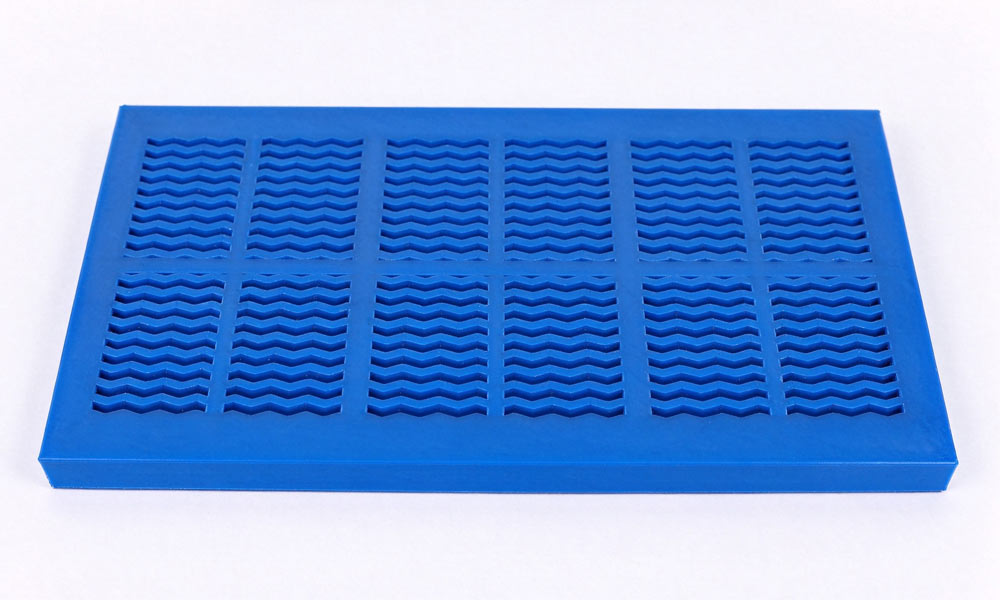
Material and moulding control is the first thing to establish, because a Poly Ripple Screen Suppliers who controls the polyurethane formulation and the moulding process can stand behind the panel in a way that a trader cannot. The polyurethane grade determines how the panel behaves in service, since the hardness, elasticity, and hydrolysis resistance all follow from the formulation, and a supplier who specifies the grade and can explain why it suits a wet or abrasive duty is demonstrating control rather than reciting a datasheet. The moulding process matters as much, because the ripple geometry and the aperture flex depend on the mould being accurate and the cure being controlled, and a panel that is molded to a loose tolerance will not deliver the cleaning action the design promises. Asking how the supplier makes the panel, rather than only what the panel is, is the quickest way to tell a manufacturer from a reseller.
Application Knowledge And Technical Support
Application knowledge separates a Poly Ripple Screen Suppliers who can help solve a problem from one who can only fill an order, and the difference shows up in the questions asked before the sale rather than in the promises made during it. A supplier who understands the duty will ask about the feed, the moisture, the aperture, and the deck before recommending a panel, because the ripple design suits some duties and not others, and a supplier who recommends it for everything is not really recommending. Technical support after the sale matters as much, since a panel that underperforms needs diagnosis rather than replacement, and a supplier who will visit the plant and look at the deck is worth more than one who will only ship another panel. The willingness to discuss limitations is a good sign, because a supplier who admits where the panel does not fit is more likely to be honest about where it does.
Quality Consistency And Traceability
Quality consistency is what a buyer is really purchasing from Poly Ripple Screen Suppliers, because a panel that performs well once is of limited value if the next batch behaves differently, and consistency is a property of the process rather than of the sample. The supplier should be able to show that panels are produced to a controlled specification, with the material grade, the mould, and the cure held to defined limits, and that batches can be traced so that a problem can be investigated rather than merely replaced. Dimensional consistency deserves particular attention, since the panel must fit the deck frame and the aperture must match the cut point, and a supplier whose panels vary between batches will create fitting and performance problems that are hard to attribute. Asking about batch records and tolerances is a reasonable question, and a supplier who cannot answer it is telling you something useful.
Commercial Terms And Delivery Reliability
The commercial side of dealing with Poly Ripple Screen Suppliers deserves the same scrutiny as the technical side, because a panel that arrives late or costs more over its life than expected is a problem regardless of how well it is made. Lead times and stock arrangements should be established, since a deck that cannot afford downtime needs a supplier who can deliver promptly, and the willingness to hold stock for a regular customer is a mark of a serious relationship. Warranty terms should be read rather than assumed, because a warranty that covers manufacturing defects but not wear is normal and should be understood as such, and the supplier's response to a claim reveals more than the wording of the policy. Total cost over the life of the panel, including changeout labour and downtime, should be weighed against the invoice price, because the cheapest panel is rarely the cheapest outcome.
Selecting poly ripple screen suppliers well comes down to establishing what the supplier controls, how well they understand the duty, whether their panels are consistent, and whether they can deliver and support what they sell. A supplier who molds to a controlled specification, asks the right questions, holds tolerances, and stands behind the panel is worth a premium over one who merely trades in screens, because the panel's performance in service depends on all of those things. The factors set out here are not complicated, but they are easy to skip when a purchase is urgent, and skipping them is how plants end up with panels that looked identical on paper and behaved very differently on the deck. Taking the time to assess the supplier rather than only the price is the cheapest insurance available on a purchase that will be judged over years of service.