PU Dewatering Screen Panels For Anti-Blinding Sticky Wet Feed Screening
Sticky material is the quiet killer of screening performance, and anyone who has run a deck on damp coal, clay bearing ore, or fine wet feed knows the frustration of watching a screen slowly choke itself. The bed stops moving, the apertures fill, and the whole circuit backs up behind a deck that was working perfectly an hour earlier. PU dewatering screen panels have become the go to answer for this problem, not because polyurethane is a magic material, but because the way it is designed and molded directly addresses the mechanisms that cause blinding. This article looks at why sticky material blinds conventional media, how anti-blinding design works in practice, and what to watch for when specifying and running these panels.
Why Sticky Material Blinds Conventional Screen Media
Blinding happens when particles adhere to the aperture edges or bridge across the opening instead of passing through, and sticky material accelerates this process in several ways at once. A PU Dewatering Screen Panels approach starts from an understanding of those mechanisms, because moisture creates capillary forces between particles and between particles and the deck surface, and those forces are strong enough to hold fine material in place against the vibration. Steel media makes this worse because the surface is relatively rough and the aperture edges are sharp, giving particles something to grip, and corrosion adds a pitted surface that traps fines even more effectively. The geometry of the aperture also matters, since a straight sided opening allows a particle to wedge and then compact under the weight of the bed above it. Once blinding starts it tends to spread, because the blocked area reduces the effective open area and increases the load on the remaining apertures.
How Anti-Blinding Design Works In Polyurethane Panels
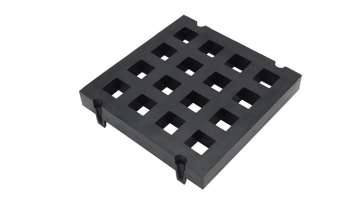
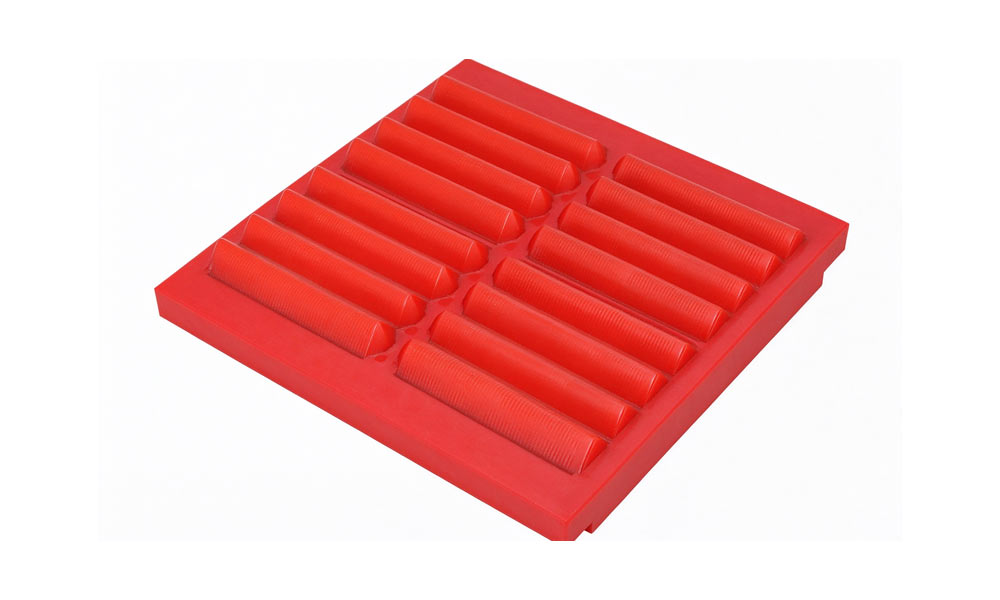
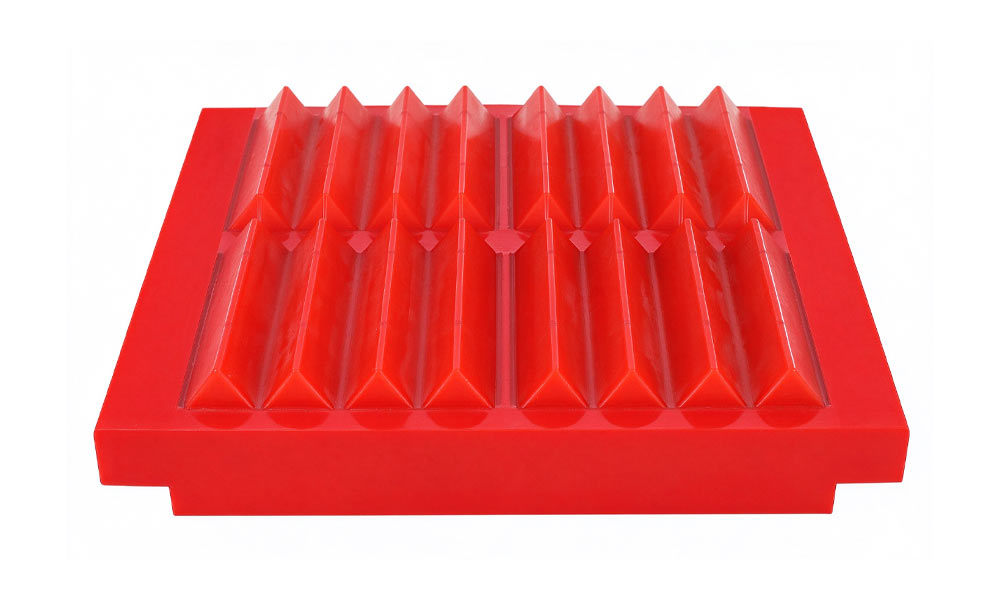
The anti-blinding performance of polyurethane media comes from a combination of material properties and molded geometry working together. A PU Dewatering Screen Panels design typically uses a tapered aperture that is narrower at the top than the bottom, so a particle that enters the opening has clearance to fall through rather than wedging against parallel walls. The low friction surface of polyurethane reduces adhesion, which means the capillary forces holding wet fines in place are easier to overcome, and the slight flexing of the panel under vibration helps to break the bond between particle and surface. Many designs also incorporate a raised or rounded aperture edge that presents less of a ledge for material to sit on, and some use a profile that encourages the bed to roll rather than slide, which keeps particles moving and reduces the time any individual particle spends in contact with the deck. The combination is what delivers the anti-blinding result, not any single feature on its own.
Matching Panel Specification To The Feed And Duty
Anti-blinding design only works if the panel is matched to the material it is actually going to see, and this is where a lot of installations fall short. A PU Dewatering Screen Panels specification should be selected on the basis of feed size distribution, moisture content, clay content, and the target separation, because a panel that works well on one feed can blind badly on another. Aperture size is the obvious variable, but slot shape and orientation matter just as much in sticky duty, since slots aligned with the flow direction tend to shed material better than slots running across it. Panel thickness and hardness also affect performance, because a softer panel flexes more and sheds material better but wears faster, while a harder panel lasts longer but is more prone to blinding. The right answer is usually found by testing rather than by calculation, and it is worth running a trial section on the deck before committing to a full set.
Installation, Operation And Keeping The Deck Clear
Even the best anti-blinding panel will struggle if the deck is set up or operated badly, and there are a few practical points that make a real difference. A PU Dewatering Screen Panels installation should start with a frame that is straight and properly supported, because uneven support causes localized movement that can compact material into the apertures. Deck angle and stroke are the two operating variables that most affect blinding, and a slightly steeper angle or a longer stroke will often clear a problem that no panel change can fix. Wash water, where it is available, should be applied so that it reaches the apertures rather than simply wetting the top of the bed, and spray bars should be checked regularly for blockages. It is also worth reviewing the feed preparation upstream, because blending sticky material with drier feed or controlling the moisture going onto the deck is often the cheapest anti-blinding measure available.
PU dewatering screen panels have earned their place in sticky material duty because they address blinding at its source rather than trying to overcome it with brute force. The low friction surface, tapered apertures, and flexible structure work together to keep openings clear, and the modular format makes it practical to replace only the sections that are struggling. They are not a substitute for correct deck setup and sensible feed control, and the plants that get the best results treat the panel as one part of a system that includes angle, stroke, water, and feed preparation. Get those elements working together, and a deck that used to blind every shift will keep running through material that previously stopped it dead.