Modular Screening Media: PU vs Steel Side-by-Side
If you’ve ever stood in the middle of a busy aggregate quarry or mineral processing plant, weighing the pros and cons of sticking with the familiar steel modular panels you’ve used for decades or switching over to the PU modular units that every other site in your region has been raving about, you know exactly how hard it is to pick the right option without falling for overblown marketing claims that don’t match your actual operating conditions. After years of chatting with operations leads across dozens of mining and aggregate sites across northern China, nearly every single one shared that they tested both material types side by side on their decks, and learned that neither option is universally better, each one has clear ideal use cases that depend entirely on your site’s specific feed properties, maintenance setup and cost structure. This no-fluff field-tested guide breaks down the real head-to-head performance comparison for Modular Screening Media, no empty technical jargon, just insights pulled straight from hundreds of real on-site side-by-side deployment experiences.
Abrasion Resistance and Service Life Varies Widely By Feed Hardness
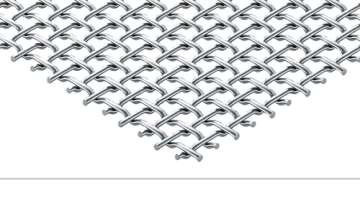
The first most impactful performance difference between PU and steel Modular Screening Media shows up in actual average service life, a metric that shifts drastically depending on the Mohs hardness and impact force of the material you are processing on your deck. For high-hardness 6+ Mohs sharp silica, iron ore or granite that flows at high tonnage directly onto the panel surface from a 2+ meter feed drop, high-grade cast PU modular panels deliver 4 to 6 times longer service life than mild steel modular panels, because the flexible PU material absorbs impact energy instead of chipping and wearing away like steel. For extremely coarse heavy lumpy ore with individual chunks over 10kg that drop from 3+ meters of height, hardened steel modular panels resist sudden puncture and tearing far better than even the thickest reinforced PU units, which can develop deep gouges and tears under repeated extreme heavy impact. Multiple large iron ore concentrators shared that they use PU panels on their fine sizing decks and hardened steel panels on their primary scalping decks to get the best possible service life from both material types.
Blinding Resistance and Screening Efficiency Differs In High-Moisture Conditions
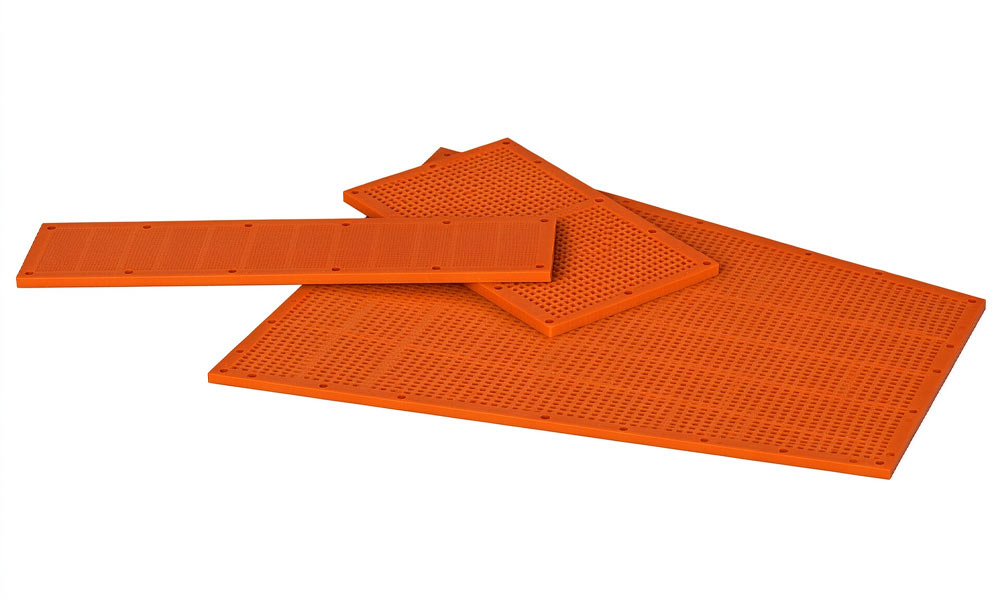
The second very noticeable performance gap between the two material types shows up in high-moisture sticky ore processing, where the difference in non-stick properties completely changes how long your deck stays at full effective screening area. The smooth low-surface-energy PU surface on PU modular panels, combined with their natural slight flexible micro-flex motion under vibration, makes them extremely resistant to blinding from sticky clay, fine coal slime or weathered rare earth ore, so they stay 90%+ open even when feed moisture spikes above 20%. Rigid steel modular panels have a rough pitted surface that easily traps wet fine particles, and their completely static rigid structure lets near-size sticky particles wedge tight in apertures, so they can lose 50%+ of their effective open area in less than one hour under high-moisture conditions. Multiple lateritic bauxite processing sites shared that their screening throughput jumped by more than 40% the moment they swapped their steel fine sizing decks over to PU modular panels.
Total Panel Weight and Installation Labor Creates Hidden Operational Cost Gaps
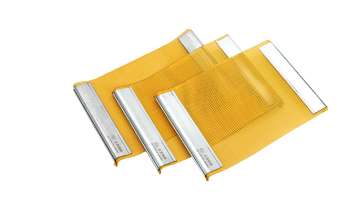
The third often-overlooked practical difference that drastically impacts your daily maintenance workload is the huge gap in individual unit weight between PU and steel Modular Screening Media, a difference that creates very different hidden labor costs you almost never see on the initial product price tag. A standard 300x600mm modular PU panel weighs only 2-3kg, so a single maintenance worker can carry, lift and install it in less than 2 minutes without any extra lifting equipment, and no risk of hand or foot injury from dropping heavy metal panels. A same-sized steel modular panel weighs 15-20kg, so you need two workers to carry and position it safely, and installation takes 3 to 4 times longer than the PU unit. Multiple large coal washing plants shared that their average full deck panel swap time dropped from 3 hours with steel panels to less than 40 minutes with PU panels, drastically cutting the total production downtime required for full panel replacement.
Upfront Cost and Long-Term Total Operating Cost Favors Different Scenarios
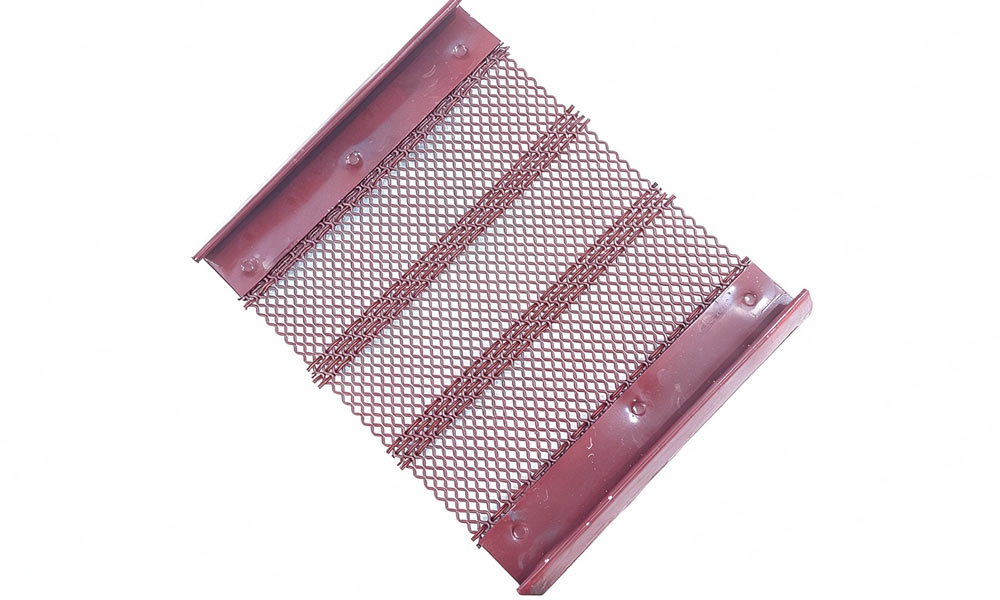
The final key comparison point that most sites get wrong is the gap between upfront purchase price and long-term total operating cost for PU and steel Modular Screening Media, where the initially cheaper option often ends up costing far more over a full 12-month operating cycle. Modular steel panels usually cost 30-40% less per unit than equivalent-sized PU panels, but their far shorter service life, higher blinding rate and far higher maintenance labor cost means that in high-moisture fine sizing applications, total annual operating cost for steel panels can end up 2 to 3 times higher than PU. For heavy primary scalping applications with very large coarse lumps and very low fine particle content, the far lower upfront cost of hardened steel panels, combined with their puncture resistance, makes them the far more cost-effective long-term choice. Multiple large aggregate quarries shared that calculating total annual cost instead of just initial unit price helped them pick the perfect material mix that cut their total annual screen operating cost by more than 50%.
Neither PU nor steel modular screening solutions are universally superior, and the optimal choice depends entirely on your site’s specific feed hardness, moisture content, deck position and maintenance labor setup. By matching each deck in your circuit to the material that fits its unique operating conditions, you can maximize service life, minimize blinding, cut maintenance labor and lock in the lowest possible total operating cost for your entire screening system.