Modular Screen Panel: Practical Replacement Tips
If you’ve ever gotten an urgent mid-shift radio call that a screen panel tore loose and dumped a pile of oversize ore into your fine product stockpile, forcing you to shut down the whole line for an emergency replacement that derailed your entire day’s production target, you know exactly how much unplanned downtime from sudden panel failures can eat into your site’s monthly output and profitability. After years of chatting with maintenance leads across aggregate quarries, mineral processing sites and coal washing plants across northern China, nearly every single one shared that they used to treat panel replacement as a last-minute emergency task, until they adopted a handful of simple structured routines that cut their total screen-related unplanned downtime by more than 70%. This no-fluff field-tested guide breaks down the practical actionable replacement tips that actually work for Modular Screen Panels, no empty technical jargon, just insights pulled straight from hundreds of real on-site maintenance logs.
Map Wear Zones and Build a Predictive Replacement Schedule
The first highest-impact tip that eliminates 80% of sudden emergency panel failures is mapping the uneven wear distribution across your entire deck and building a predictive staggered replacement schedule for your Modular Screen Panels, instead of waiting for panels to tear completely before you swap them out. Every vibrating deck has highly predictable uneven wear zones: the first 30% of the deck near the feed drop point wears 3 to 4 times faster than the discharge end, while the outer 15% of the deck on both sides sees barely any heavy abrasive scouring at all. You can log the exact replacement date of every single panel on a simple deck map, track their wear rate over 2 weeks, and plan small scheduled swaps during your existing 15-minute daily maintenance window for high-wear units before they ever reach critical wear thickness. Multiple large granite quarries shared that this simple mapping practice eliminated almost all sudden mid-shift panel tear-out failures.
Pre-Prepare Spare Panels and Tools in a Dedicated Near-Deck Station
The second simple low-effort tip that cuts emergency replacement time by more than 70% is setting up a dedicated small locked storage station 10 meters away from your vibrating screen deck, stocked with all your most frequently used sizes of Modular Screen Panels, a single dedicated pry bar, a torque wrench and a few spare sealing strips. Many sites store all their screen spares in a central warehouse that is 10+ minutes away from the screening plant, so when a sudden panel fails, you waste 20-30 minutes just walking back and forth to grab the right part and correct tools. Keeping a small 5-10 unit stock of your most commonly used panel sizes right next to the deck means you can grab the exact part you need within 30 seconds, and start the replacement immediately without any unnecessary travel delay. Multiple fine coal washing plants shared that this small near-deck station cut their average emergency panel replacement time from 35 minutes to less than 8 minutes.
Rotate Partially Worn Low-Wear Panels to Extend Full Deck Runtime
The third extremely cost-effective tip that reduces total annual panel replacement volume by more than 30% is rotating partially worn Modular Screen Panels from low-wear zones to high-wear zones during every scheduled maintenance check, instead of throwing away every panel the moment it shows minor surface wear. The outer edge panels and discharge end panels on most decks will stay 80%+ fully intact even after 3 full months of operation, because they never take the heavy concentrated scouring that the central feed zone panels see. Instead of discarding these almost fully usable units when you do a partial feed zone swap, you can move the slightly worn low-wear panels to the central high-flow zone, and install brand new panels on the lowest-wear outer edges. Multiple iron ore processing sites shared that this simple rotation practice let them get 30% more total runtime out of every panel, drastically cutting their total annual spare parts consumption.
Do 5-Minute Post-Replacement Vibration Check to Lock in Full Security
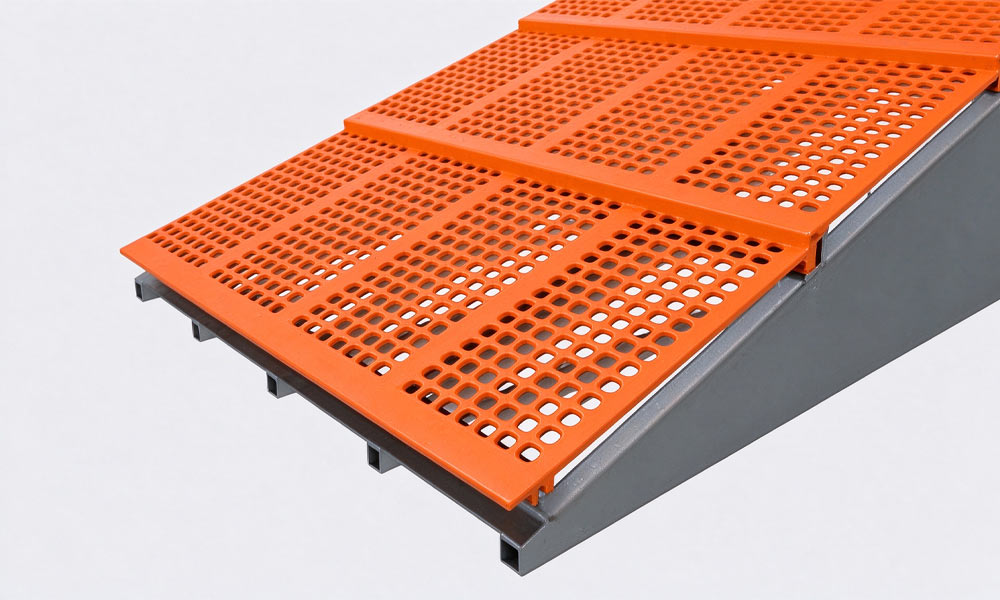
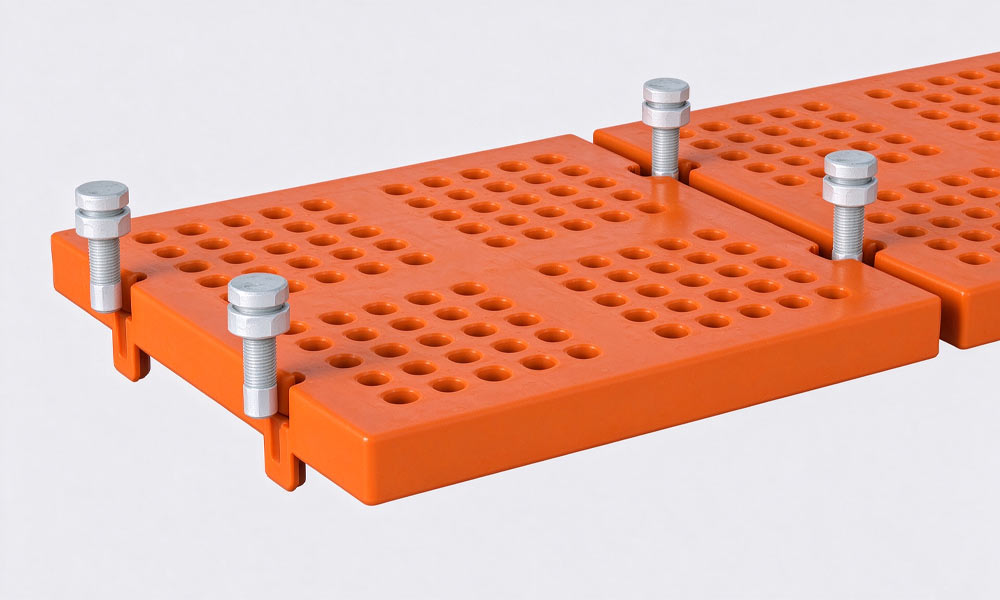
The final critical tip that prevents newly installed panels from popping loose within hours after replacement is doing a 5-minute no-load vibration check immediately after you finish swapping out any Modular Screen Panels, before you open the feed gate and dump full tonnage onto the deck. After you lock the new panel into the rails and press it firmly into place, run the vibrating screen at full no-load speed for 3 minutes, then walk along both sides of the deck to check that the new panel sits completely flush, does not rattle or shift, and that all adjacent panels are still fully seated and locked in. If you skip this quick check, a slightly misaligned panel that is not fully clipped into the rail can pop loose under full heavy load within 20 minutes, creating a new unexpected failure that forces another full unplanned shutdown. Multiple large rare earth processing sites shared that this 5-minute post-replacement check caught 100% of hidden installation errors that would have caused new panel failures shortly after startup.
Set up a predictive replacement schedule based on wear, keep ready-to-go spares close to the deck, rotate low-wear panels before they’re totally used up, and always do a quick vibration check after swapping panels. If you do all that, you’ll see way less surprise downtime, get more life out of every panel, and your screening system will run steadily—almost always at peak availability.