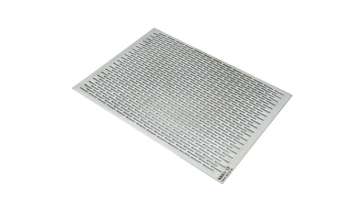
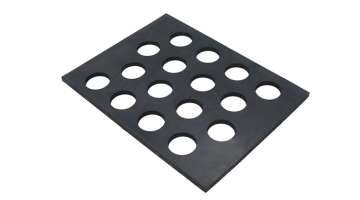
Modular Screen: How to Select the Right Size and Material
If you’ve ever installed a brand new set of modular screen panels, only to find that they tear apart in less than two weeks under your site’s heavy ore feed, or the panel dimensions don’t line up properly with your existing deck rails, forcing you to spend hours drilling and modifying the frame just to make them fit, you know exactly how much a single poorly thought-out size and material choice can waste your budget and create weeks of unnecessary headaches. After years of chatting with operations and maintenance leads across aggregate quarries, mineral processing sites and coal washing plants across northern China, nearly every single one shared that they used to pick modular panels based only on the lowest price, until they learned that half a dozen site-specific operating variables completely change which size and material will actually deliver the longest service life and lowest total operating cost. This no-fluff field-tested guide breaks down the practical step-by-step rules to pick the perfect size and material for your Modular Screen, no empty technical jargon, just insights pulled straight from hundreds of real on-site deployment experiences.
Match Panel Outer Dimension to Your Existing Deck Rail Spacing First
The first most critical step that prevents costly last-minute deck modification work is measuring your existing vibrating deck’s exact rail spacing, total working width and panel mounting groove depth before you even browse any product catalog for your new Modular Screen. Many operations skip this detailed measurement step and order standard generic panel sizes that are slightly off by 5-10mm from their actual deck dimensions, leading to panels that don’t clip properly into the rails, leave uneven gaps between units, or sit slightly tilted under vibration that creates premature localized wear. You need to measure three different points across the deck to get the average rail spacing, note down any slight warping or wear on old rails, and pick a panel size that has a 1-2mm tolerance buffer to fit perfectly even on slightly worn legacy decks. Multiple aggregate quarries shared that doing this full pre-order measurement eliminated 100% of the costly on-site deck modification work they used to deal with after every new panel purchase.
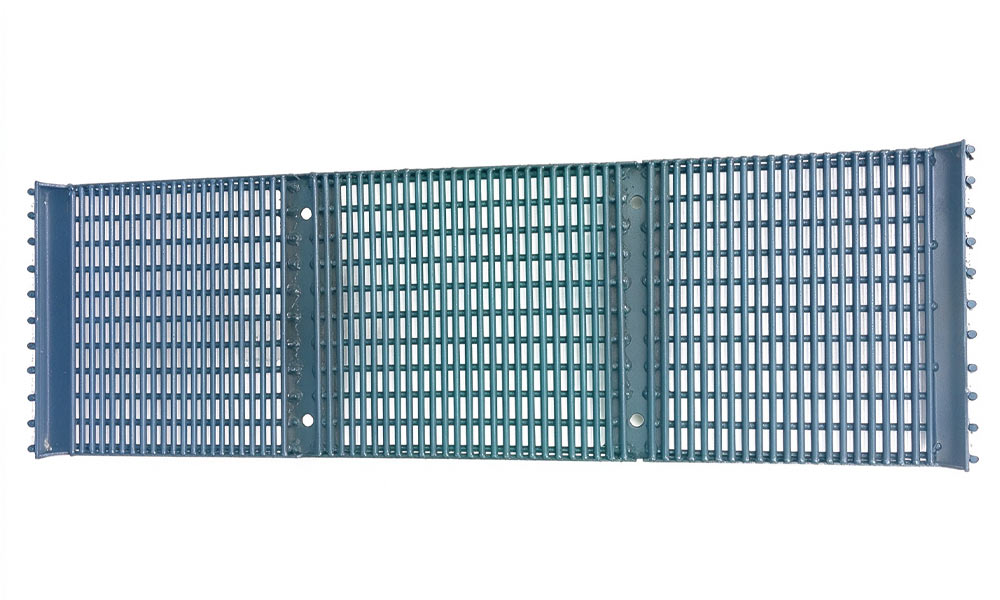
Align Material Hardness to Your Feed Abrasiveness and Operating Temperature
The second key selection rule that prevents premature fast wear is matching the PU material Shore hardness of your new Modular Screen directly to your site’s feed ore hardness, maximum operating temperature and typical moisture content, instead of just picking the standard generic medium hardness material for every application. For high-hardness 6+ Mohs silica or iron ore that runs under 40 degrees Celsius, you should pick a 65-70 Shore D high-hardness PU formulation that stands up to extreme abrasive scouring without wearing thin quickly. For high-moisture sticky clay ore that runs under 30 degrees Celsius, a 55-60 Shore D medium-soft flexible PU formulation delivers far better non-clog flex performance that stops near-size particles from wedging in apertures. Multiple lateritic bauxite processing sites shared that switching from a hard generic PU to a softer flexible formulation cut their blinding rate by more than 70% overnight.
Pick Panel Unit Size Based On Your Planned Maintenance Routine
The third often-overlooked factor that drastically impacts your long-term maintenance efficiency is selecting the individual panel unit size for your Modular Screen based on your site’s existing maintenance team size and planned daily maintenance window length. If your site only has one maintenance worker assigned to screen upkeep and you only have a 15-minute daily scheduled maintenance window, you should pick small 300x300mm individual panels that one person can carry, remove and replace in less than 2 minutes without any extra lifting equipment. If you have a full two-person maintenance team and 1 hour of scheduled downtime every week, you can pick larger 300x600mm panels that cover more deck area per unit, reducing total number of panels you need to install and cutting full deck swap time drastically. Multiple large coal washing plants shared that picking the panel size that matched their maintenance team setup cut their average full deck replacement time by more than 50%.
Test 2 Different Material Samples On High-Wear Zone Before Full Batch Purchase
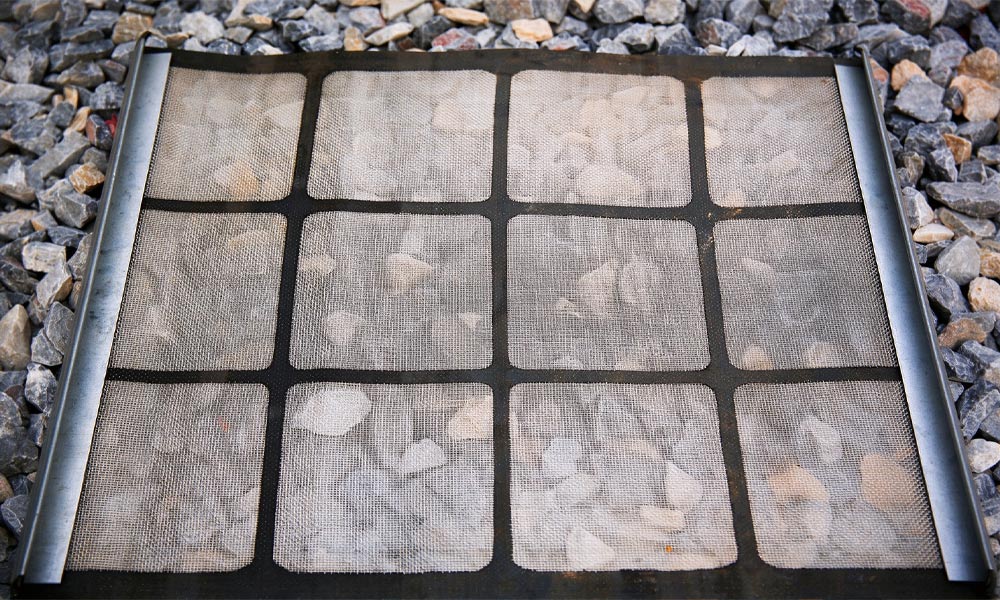
The final most reliable step that eliminates almost all costly wrong selection mistakes is ordering 2-3 small test panels of your top 2 candidate materials, installing them side by side in the highest-wear feed zone of your Modular Screen, and running them for 2 full weeks of normal production before you commit to a full bulk order. No theoretical material spec sheet can perfectly predict how a specific PU formulation will hold up against your site’s unique local ore properties, unique moisture levels and vibration stroke settings, and this 2-week low-cost test lets you directly compare actual wear performance in real operating conditions. Multiple iron ore concentrators shared that this simple small-scale test helped them pick a material that delivered 40% longer service life than their original initial selection, avoiding thousands of dollars in wasted spare parts cost.
By matching panel dimensions to your exact existing deck measurements, aligning material hardness to your feed properties, picking panel unit size to fit your maintenance routine, and running a small 2-week field test before bulk purchase, you can select the perfect size and material for your Modular Screen, maximizing service life, cutting maintenance time and locking in the lowest possible total operating cost for your screening system.