Tension Type Polyurethane Screen Panels for High-Tonnage Screening Circuits
If you have ever run a high-tonnage aggregate, mining, or recycling screening circuit that pushes 500+ tons of sharp abrasive material across the deck every hour, you know how quickly standard tensioned steel wire screens stretch, tear, or lose their cut point accuracy, forcing unplanned downtime that derails your entire production shift. After years troubleshooting overloaded high-tonnage decks with site maintenance teams across North China, I have seen far too many operations waste tens of thousands of dollars replacing cheap steel tension screens that fail within weeks, even with regular maintenance.
High-Tensile Reinforced Core Built For Extreme Tension Loads
The first non-negotiable advantage of a purpose-built high-tonnage unit is its internal high-tensile steel cable reinforcement that lets the panel handle the full high-tension loading required for high-capacity screening decks, a trait no generic non-reinforced polyurethane panel can match, making a heavy-duty tension type Polyurethane Screen Panel last 3 to 5 times longer than standard tensioned steel wire in high-tonnage applications. Top-tier manufacturers embed continuous high-tensile steel cables running the full tension length of the panel, fully encased in the abrasion-resistant polyurethane matrix, so the panel can be pulled tight to the exact required tension level without stretching, sagging, or snapping under the constant impact of tons of sharp aggregate or ore hitting the deck every minute. They also tune the outer polyurethane layer’s hardness to strike a perfect balance: firm enough to resist gouging and abrasive shear from high-volume sharp material flow, but flexible enough to flex under heavy impact instead of cracking. This reinforced design eliminates the two most common premature failure modes that plague standard tension screens: sudden tearing from heavy particle impact, and gradual permanent stretching that creates sagging low spots on the deck that ruin separation performance.
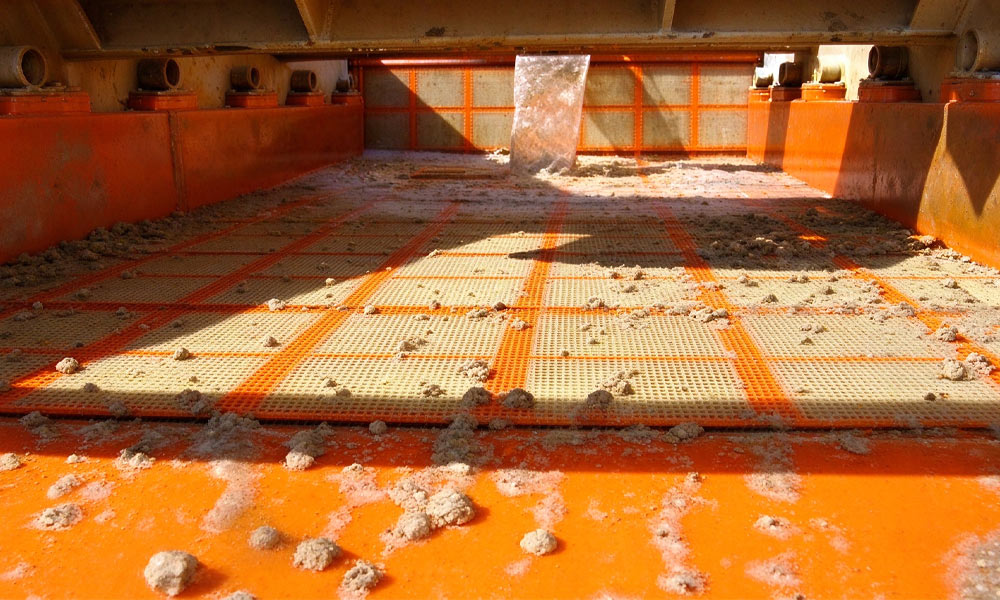
Precision Tension Edge Design For Zero Slippage On Deck
The second core performance benefit is the custom-machined reinforced tension edge that locks perfectly into your existing screen’s tension rails, so there is zero slippage even under the constant high-frequency vibration and heavy material loading of a high-tonnage circuit, and this design makes a well-engineered tension type Polyurethane Screen Panel far more stable than steel wire mesh on high-capacity decks. Unlike steel wire screens that can slowly slip out of alignment on the tension rails over hundreds of hours of operation, creating uneven tension across the deck that leads to premature localized wear, these panels have precision-molded, rugged edge profiles that seat completely and lock firmly into standard tension rail systems, no special deck modifications required. The full edge reinforcement also distributes tension load evenly across the entire width of the panel, so there are no concentrated stress points that would otherwise tear open at the edge under full high-tonnage loading. This zero-slippage design ensures the panel stays perfectly flat and evenly tensioned across its entire service life, eliminating the uneven material flow and inconsistent separation results that come with sagging, misaligned screens.
Lightweight Low-Labor Installation That Cuts Downtime Drastically
The third major practical advantage for on-site maintenance teams is the drastically reduced weight of the polyurethane panel compared to a full equivalent steel tension screen, which makes installation far faster, safer, and less labor-intensive, making a tension type Polyurethane Screen Panel the ideal upgrade for operations that cannot afford long unplanned shutdowns. A full tension panel that would weigh 40+ kilograms if made from steel wire weighs less than 12 kilograms in polyurethane, so a single maintenance technician can carry and position the panel on the deck without heavy lifting equipment or extra crew support, drastically cutting the risk of on-site lifting injuries. The simplified tensioning process also means a two-person crew can remove an old worn panel and tension a brand new full set across an entire 3-meter wide high-tonnage deck in less than 90 minutes, compared to the 4 to 6 hours it takes to stretch, adjust, and tension a full set of heavy steel wire screens. For high-tonnage operations that run 24/7 and lose tens of thousands of dollars in revenue for every hour of unplanned downtime, this massive reduction in screen change time directly translates to huge annual production gains.
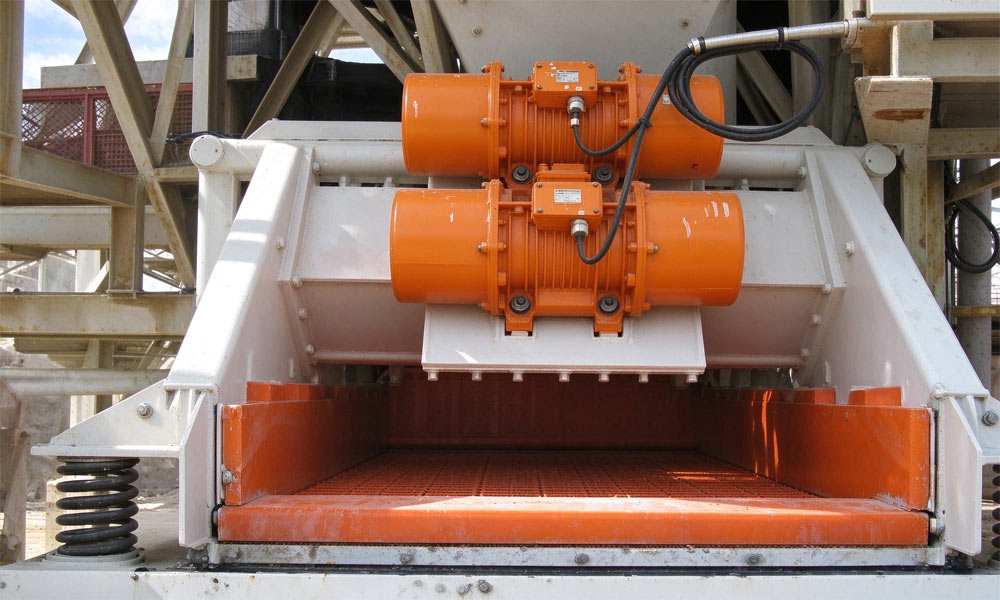 Anti-Blinding Performance That Sustains Peak Throughput
The final, most impactful operational benefit is the flexible, non-stick surface that drastically reduces near-size particle pegging and blinding, so your high-tonnage deck can maintain its full peak throughput for far longer without manual cleaning stops, making a premium tension type Polyurethane Screen Panel one of the highest-return upgrades for any high-volume screening circuit. Unlike rigid steel wire apertures that stay completely fixed in shape, the slightly flexible polyurethane openings deflect slightly every time the shaker vibrates, shaking loose stuck near-size aggregate or ore particles that would otherwise wedge tight and block the opening permanently. This natural anti-blinding effect means you can run the deck at full 100% design tonnage for 2 to 3 full shifts without needing to stop production to climb up and scrape blinded apertures clear, compared to standard steel wire decks that often require a cleaning stop every single shift to maintain acceptable throughput. This sustained peak throughput directly boosts your total daily production volume, letting you process far more material without investing in expensive new screening equipment.
At the end of the day, upgrading your high-tonnage screening circuit to tension-type polyurethane screen panels is far more than just swapping out one wear part for another; it is a targeted, low-risk upgrade that solves almost all the most frustrating, costly pain points that come with running high-volume, high-throughput screening operations. The reinforced high-tensile core, zero-slippage tension edges, fast low-labor installation, and natural anti-blinding performance combine to slash unplanned downtime, cut your ongoing media replacement costs, and sustain peak throughput for far longer. For operations that are tired of dealing with torn steel screens, sagging misaligned decks, and constant throughput drops from blinding, this simple upgrade will deliver immediate, measurable improvements to your entire high-tonnage processing line’s long-term profitability.