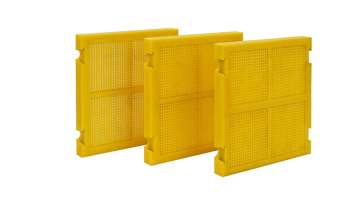
Maximize Performance of Modular Polyurethane Dewatering Screen
If you’ve ever spent a full 3-hour midnight shift swapping out a torn full one-piece metal dewatering mesh in the pouring rain, only to find that the brand new unit you just installed is already blinding over with sticky fine clay slurry before your shift even ends, you know exactly how much bad dewatering screen design can turn a routine maintenance task into a costly, exhausting operational nightmare. After years of chatting with slurry processing plant operators across mineral concentrators, coal washing facilities and industrial sand production sites across northern China, nearly every single one shared that they used to fight constant downtime and inconsistent dewatering results for years, until they fully switched over to modular PU dewatering systems and learned all the small field tricks that make them run perfectly. This no-fluff hands-on field guide breaks down everything you need to know to get maximum performance out of a Modular Polyurethane Dewatering Screen, no empty textbook jargon, just real insights pulled straight from decades of on-site shift work.
Site-Specific Aperture Sizing to Match Your Exact Slurry PSD
The first most critical setup step that 90% of plant teams get wrong is picking the exact right aperture size and shape for your unique slurry particle size distribution when you first configure your Modular Polyurethane Dewatering Screen, instead of just ordering the generic 0.5mm opening that most suppliers recommend as a default. If your slurry carries a high share of near-size particles that sit almost exactly at your target separation point, a simple straight round aperture will wedge full of blinding particles in less than 3 shifts, killing your drainage efficiency completely. Most veteran operators will pick a 10% larger opening with a fully downward tapered profile, paired with a thin protective fine pre-coat layer of larger 1-2mm particles that builds up naturally on the feed zone, which stops fine near-size particles from ever jamming in the apertures while still delivering the exact final cake dryness you need. Multiple fine silica slurry processing sites shared that this custom aperture sizing cut their blinding-related downtime by more than 70% in their first 6 months of operation.
Correct Panel Locking Sequence to Eliminate Hidden Leakage Gaps
The second key installation skill that stops most unexpected fine solid loss is all about the way you lock the panels back into your Modular Polyurethane Dewatering Screen. Don’t just start at one end and snap them in however you feel like. If you hurry and try to jam the last panel into a tight spot—maybe even banging it in with a hammer—you’re going to leave tiny, hidden gaps between the panels. Fine slurry will find those gaps and pour straight through, which means a lot of valuable fines just vanish into the underflow sump where you’ll never see them again.Here’s how to do it right: Start from the exact center of the deck. Work outward evenly toward both side rails. Leave a 1mm expansion gap between every panel edge. That small gap matters, because as the screen heats up during operation, the polyurethane will expand. If you follow this field-proven sequence, you keep everything tight enough to stop leaks and protect your recovery. Multiple iron ore concentrator operators shared that this simple installation sequence eliminated the mysterious fine solid loss they had been chasing for more than a year.
Shift-End 2-Minute Deck Check to Catch Wear Before It Spreads
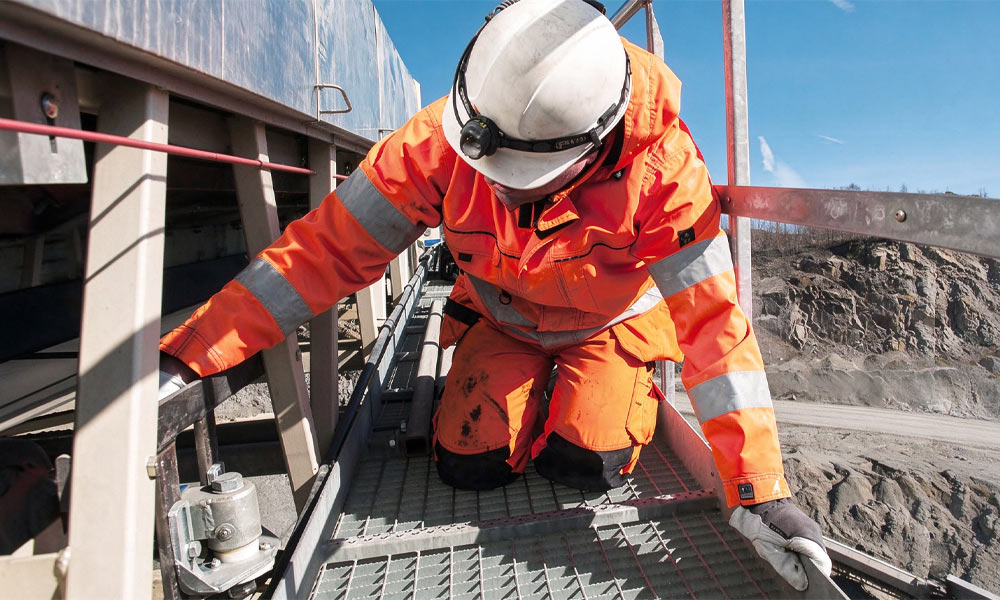
The third low-effort daily routine that doubles your average full deck service life is running a quick 2-minute walkthrough check of your Modular Polyurethane Dewatering Screen at the very end of every single shift, before you hand over operations to the next team. You don’t need any special tools, just a gloved hand to run lightly across every panel surface to feel for raised edges, torn corners or deep scouring grooves that are just starting to form near the feed zone, and a quick visual check to make sure every panel locking clip is still fully seated and not working itself loose. Catching one slightly damaged panel early lets you swap it out in 2 minutes during your next scheduled break, instead of letting it tear loose completely mid-shift and tear 6 or 7 adjacent panels apart in less than 10 seconds of high-frequency vibration. Multiple coal washing plant senior operators shared that this tiny daily check cut their total annual PU spare parts cost by more than half.
Seasonal Vibration Tuning for Changing Slurry Moisture Levels
The final advanced operational trick that keeps your dewatering efficiency consistent all year round is slightly adjusting your screen’s vibration stroke and negative incline angle on your Modular Polyurethane Dewatering Screen as seasons change, instead of leaving it locked on one fixed setting all 12 months of the year. During the rainy summer season when your feed slurry moisture spikes 10-15% higher than the dry winter months, you can bump the negative incline up 2 extra degrees and reduce stroke slightly to slow material travel speed down and give all that extra free water more time to drain through the deck. During the dry winter season when slurry is thicker and carries more dry fine dust, you can flatten the incline slightly and increase stroke to keep material moving steadily and prevent thick cake buildup that blocks apertures. Multiple lateritic bauxite processing plant teams shared that this seasonal tuning kept their final cake moisture within their tight 13-15% target range 98% of the time all year, even through the wettest monsoon seasons.
When you bring together all the practical tricks and techniques that seasoned slurry operators have picked up over years on the job, you end up running your Modular Polyurethane Dewatering Screen at top efficiency—month after month. You’ll deal with way fewer surprise breakdowns, slash your spending on spare parts, and get consistent cake dryness every time. No one on your plant team gets caught off guard anymore.