Modern Mining Vibrating Screen: Key Features and Mine-Lifecycle Applications
If you’ve ever walked onto a mineral processing plant’s sizing deck during a peak production shift, watching a decades-old vibrating screen struggle to push 300 tons per hour through its clogged, worn-out mesh, you know exactly how much an outdated, poorly configured screening setup can bottleneck your whole operation’s throughput and ruin your downstream process consistency. I’ve spent weeks on mine sites across iron, copper and lithium operations, and I’ve seen teams waste tens of thousands of dollars upgrading their crushers and mills, while ignoring the obvious bottleneck right in the middle of their circuit: their old, underperforming screening equipment. This practical, field-tested guide breaks down the core real-world features and most common high-value use cases of a modern, well-built Mining Vibrating Screen, with no overcomplicated engineering jargon or empty marketing buzzwords, just insights pulled directly from hundreds of site deployment records.
Fully Modular Quick-Change Deck Cuts Unplanned Downtime Dramatically
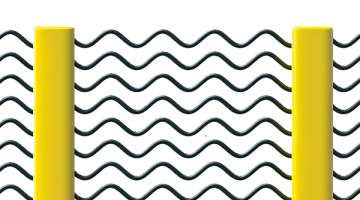
The first game-changing modern feature that separates a high-performance Mining Vibrating Screen from old outdated models is its full modular quick-change deck design, a simple upgrade that most operations notice the biggest difference in right from day one. Traditional one-piece stretched mesh decks force your maintenance crew to spend 4 to 6 full hours pulling tension rails, stripping off the old full-size mesh and stretching on a brand new panel every time one small localized spot wears through, wasting an entire full shift of production time. The modular quick-change design splits the full deck into small 300x300mm independent panels that you can swap out with a simple wrench in less than 15 minutes, so you never have to shut down the whole circuit for a full panel change just because one small feed end section wore through. Most mineral processing plants that upgrade to this modern Mining Vibrating Screen configuration find that their total annual screen-related unplanned downtime drops by more than 70%, drastically boosting their total annual plant throughput.
Dual-Angle Adjustable Deck Frame Adapts to Multiple Material Types
The second underrated core feature that drastically expands a machine’s usable lifespan is a fully dual-angle adjustable deck frame, a flexible design that lets you reconfigure the exact same Mining Vibrating Screen to handle completely different material types and process stages as your mine develops over time. Old fixed-angle screens are locked to one single 15-degree operating angle, so they can only run one specific material type, forcing you to buy a whole separate new machine if you need to switch between heavy coarse rock scalping and fine damp ore sizing later in your mine’s life. The adjustable frame lets you tweak the deck angle anywhere from 10 to 30 degrees in less than an hour, so you can slow down material travel speed for high-efficiency fine sizing, or speed it up for maximum high-tonnage coarse scalping. Mine sites that use this adjustable frame design report that they can reconfigure the exact same machine for 4 different process stages across 6+ years of mine operation, completely eliminating the need to buy extra temporary screening equipment.
High-Frequency Independent Vibration Motors Eliminate Common Failure Points
The third critical reliability feature that cuts long-term maintenance costs drastically is a set of dual independent high-frequency vibration motors, a modern upgrade that removes almost all the most common failure points on old Mining Vibrating Screen models. Old single-shaft gearbox driven screens rely on complex, high-maintenance gearboxes, universal joints and drive shafts that need monthly oil changes and regular part replacements, and if one small part breaks, the whole machine grinds to a complete stop. The independent direct-drive vibration motors bolted directly to the screen side frame have zero gears, shafts or universal joints, so they only need a simple bearing grease top-up once every 3 months, with no other regular maintenance required. Most operations that switch to this motor setup find that their total annual screen maintenance labor cost drops by more than 60%, and unexpected mid-shift drive system failures are almost completely eliminated.
Wide Application Range Across Full Mine Production Lifecycle Stages
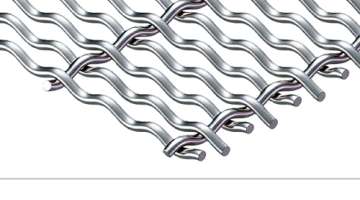
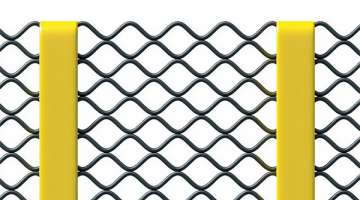
The final biggest advantage of a well-configured modern Mining Vibrating Screen is its extremely wide application range, which lets you deploy the exact same machine across almost every stage of your mine’s full production lifecycle, from initial run-of-mine scalping to final fine ore classification. In the early open-pit mine development stage, you can set it to a steep 25-degree angle with heavy woven wire panels to scalp out large oversize boulders before they feed into your primary crusher, protecting your expensive crusher liners from unnecessary impact wear. In the mid-stage full production phase, you can reconfigure it to a 15-degree angle with polyurethane panels to classify crushed ore into 3 separate size fractions for your downstream grinding and flotation circuit. In the late-stage tailings recovery phase, you can adjust it to a shallow 10-degree angle with high-frequency motors and fine piano wire mesh to recover extra saleable fine ore from your old tailings stockpiles, unlocking extra profit with zero major new capital investment.
By picking a modern, feature-rich Mining Vibrating Screen built with these four practical, field-proven design upgrades, you can drastically cut your total long-term operating costs, eliminate almost all unplanned screening circuit downtime, and get far more flexible usable performance out of one single screening asset across your mine’s full production lifecycle.