Most mining operations face not processing difficulties, but screening
difficulties. When high-open areas polyurethane screens are too small or poorly
designed, material accumulates, causing the vibrating screen to clog. The
problem isn't actually with the screening machine, but with the screen
itself.
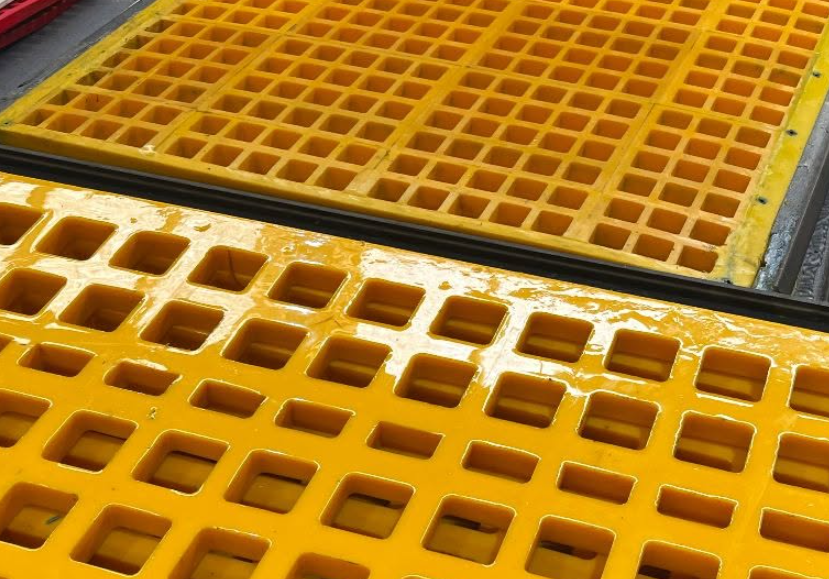
How to solve this problem? Start with the screen size
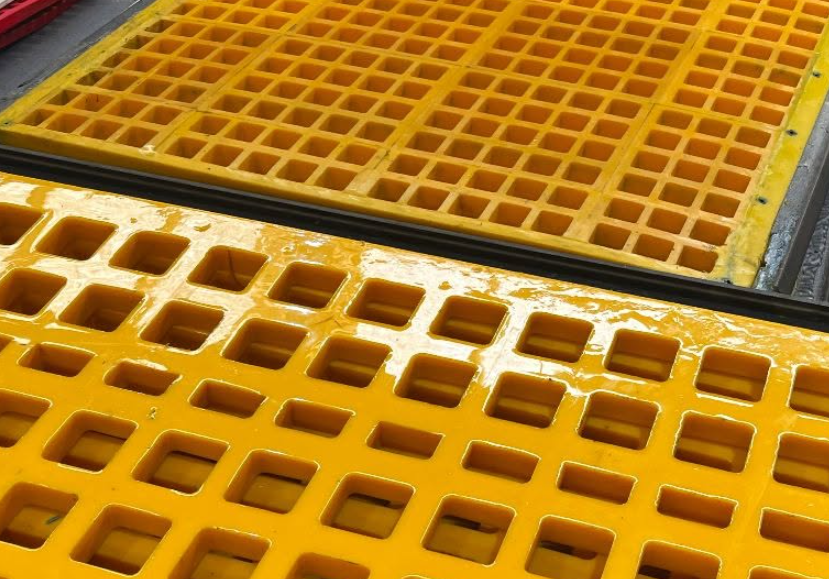
High open areas PU Screens typically have an opening ratio between
40% and 65%, with some high-end screens exceeding 70%. In comparison,
traditional steel screens have an opening ratio of approximately 30% to 35%. A
higher opening ratio means faster material throughput, a thinner screen bed, and
the screen can truly function effectively. Screen aperture sizes range from 6 mm
to 100 mm, while panel thickness is determined by the feed rate, ranging from 12
mm to 50 mm. Hardness is typically between Shore A 70 and Shore A 95, which is
ideal for most ore and coal applications. These panels can handle abrasive
materials and have a lower incidence of clogging or blind holes.
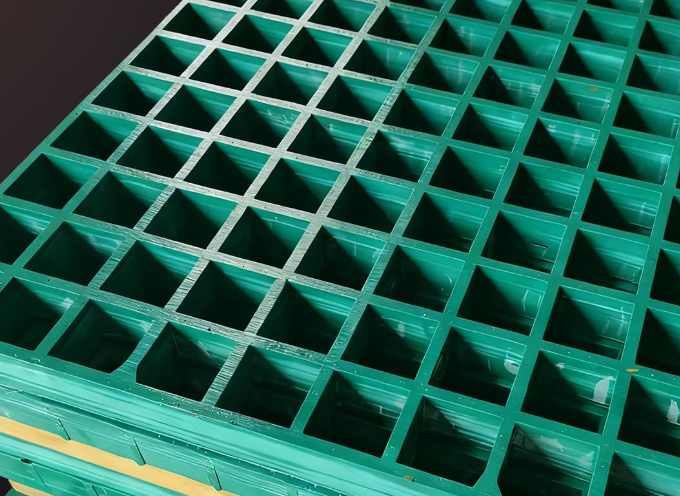
Key Advantages of High- open areas Polyurethane Screens
First, compared to ordinary screens, they operate with lower noise,
significantly improving the working environment for workers. High-open areas
screens also exhibit more stable vibration, greatly increasing work efficiency.
Furthermore, because polyurethane absorbs impact rather than transmitting it,
high-open areaspolyurethane screens have a longer lifespan, typically three to
four times that of steel screens.
If you are experiencing a production bottleneck and no other issues exist,
the screen is likely the culprit. Switching to large-aperture polyurethane
screens is not just an upgrade; it's a direct way to increase output without
adding new equipment.


Leave A Reply
By using form u agree with the message sorage, you can contact us directly now