High Frequency Vibrating Screen: How It Improves Fine Material Separation
If you’ve ever stood in a coal preparation plant or aggregate quarry watching a standard 20-degree inclined screen struggle to separate 0.1mm fine material, blinding up every two hours and leaving 20% of your target fine fraction stuck in the oversize stream, you know how much wasted efficiency and lost revenue poor fine sizing can cause. I’ve talked to dozens of plant supervisors across northern China over the years, and nearly all of them used to write off fine separation losses as an unavoidable cost of running their operation, until they swapped in a properly configured high-frequency unit and saw their fine recovery rates jump by 35% in the first week. This practical, shop-floor-tested guide breaks down exactly how a High Frequency Vibrating Screen works, why it outperforms standard screens on fine material, and where it delivers the biggest real-world operational gains, no empty technical jargon or exaggerated marketing claims included.
High-Speed Low-Amplitude Vibration Creates Controlled Particle Stratification
The core working principle that sets a High Frequency Vibrating Screen completely apart from standard conventional screens is its unique high-speed low-amplitude vibration profile, tuned specifically to handle fine, damp, hard-to-screen material that clogs and blinds standard decks. Instead of running at 800 to 900 RPM with large 6 to 8mm stroke that tosses heavy coarse material high into the air, these units run at 1500 to 3000 RPM with a tiny 1 to 2mm stroke that creates fast, consistent micro-vibrations across every centimeter of the screen surface. This steady rapid vibration keeps every single fine particle suspended and moving freely across the deck, preventing near-size particles from wedging into the apertures and blinding the mesh, while pushing fine undersize material to settle quickly to the bottom layer of the material bed right against the screen surface. Operations that switched to this vibration profile found that blinding-related mid-shift cleaning stops dropped by more than 70% almost immediately.
Multi-Stage Deck Angle Adjustment Guides Material Flow
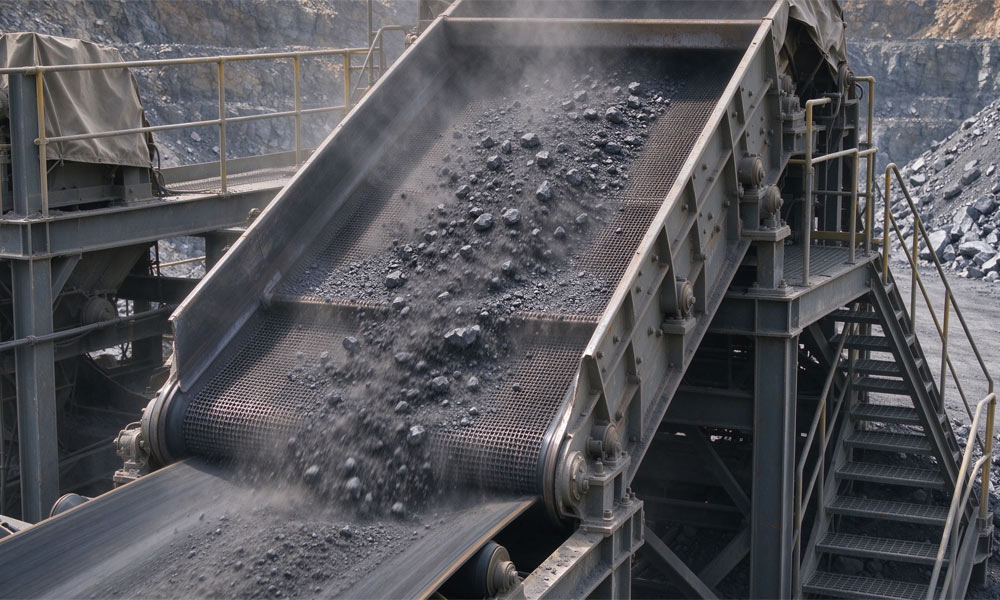
Let’s talk about the multi-stage deck angle adjustment—it’s a clever change that really makes a difference in how a High Frequency Vibrating Screen handles material. The feed end sits at a steep angle, somewhere between 30 and 45 degrees. That means when slurry or damp fine material pours in, it spreads out thin right away, forming a layer just two or three particles thick. This avoids trapping fine particles under bigger stuff. As the material moves along, the deck flattens out to a gentler angle—10 to 15 degrees—slowing things down. This extra time lets the finer particles slip through the openings before they hit the discharge end. Operators can fine-tune this setup to match exactly what they’re dealing with, so there’s no need to settle for a fixed angle that never quite fits your feed.
Modular Fine Screen Media Delivers Consistent Aperture Accuracy
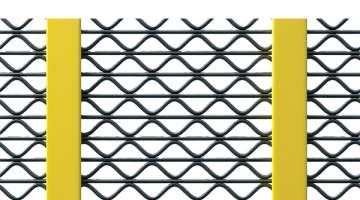
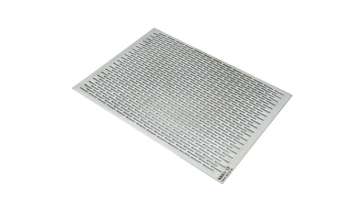
The third critical component that makes this class of equipment perform far better on fine cuts is its modular fine screen media system, engineered specifically to work perfectly with the high-speed micro-vibration of a High Frequency Vibrating Screen. Unlike heavy thick woven wire mesh that can’t keep up with the rapid vibration and quickly loosens, these modular panels use lightweight precision-machined polyurethane or stainless steel fine screen media with aperture tolerances held to within ±0.02mm, so every single opening stays perfectly consistent even after months of continuous high-frequency operation. This level of aperture accuracy eliminates the uneven sizing and oversize contamination that plagues standard screens running fine cuts, and the lightweight panels are far easier for maintenance teams to swap out in minutes instead of hours during scheduled downtime. Most mineral processing plants that upgraded to these modular panels found that their final fine product yield consistency improved dramatically, and oversize contamination in their finished fine product dropped to under 2%.
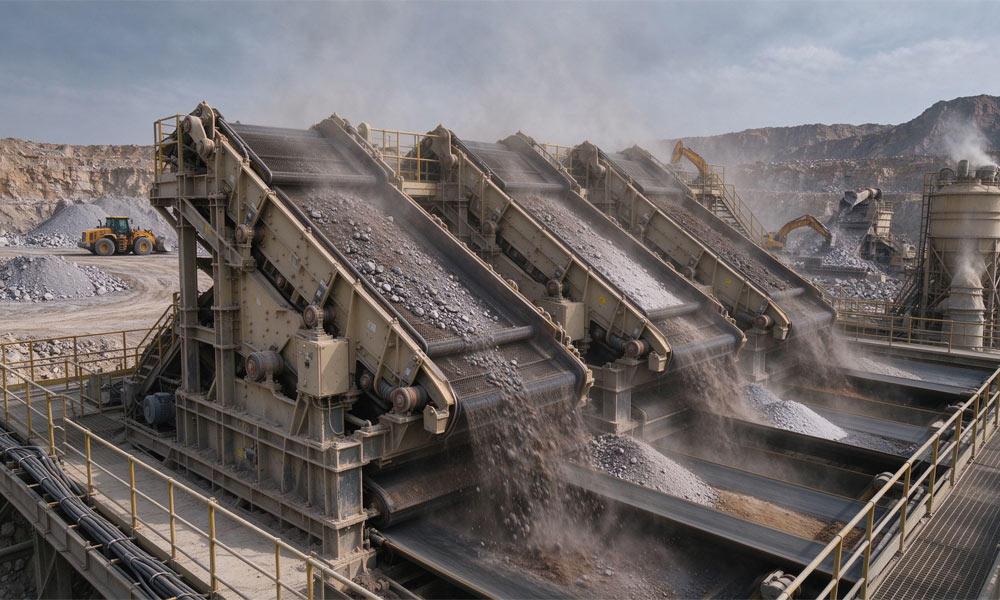
Now, about where these screens really shine. Most generic guides gloss over this, but it’s a big deal: High Frequency Vibrating Screens pull their weight in practical, high-impact settings. Take iron ore processing—these screens are fantastic for fine desliming, stripping away ultra-fine slime that would otherwise mess up flotation downstream. In coal prep plants, they grab those lost clean coal fines that used to wash out to the tailings pond, turning waste into sellable coal. There’s a solution here for blinding problems in silica sand and fine aggregate production, too—what once was messy and inefficient now runs stable and high-yield. So, if you know how these screens work and put them in the right spot, you’ll fix your fine separation headaches, improve your recovery rate, and start turning what used to be wasted material into real revenue.