Purchasing Guide For Anti-Clogging Mesh Screens In Mineral Processing
Buying anti-clogging screens is one of those purchases where the specification sheet tells you only half the story, and the half it leaves out is usually the half that decides whether the deck works in your plant. Anti-clogging mesh screens are sold on the promise of apertures that stay open, but whether that promise holds depends on the feed, the machine, the aperture size, and the way the panel is mounted, all of which vary from one operation to the next. The sensible approach is to treat the purchase as a matching exercise rather than a shopping decision, establishing what the deck actually has to do before comparing what is on offer. This article sets out the factors that deserve attention before money changes hands, covering the feed, the aperture and panel design, the machine and mounting, and the commercial questions that are easy to overlook.
Understanding The Feed Before Anything Else
The feed is the first thing to establish, because Anti-Clogging Mesh Screens are matched to material rather than sold as a universal answer, and a screen that performs well on one feed can disappoint on another. The size distribution matters most, since the proportion of near-size particles determines how much of the deck's capacity is spent on the fraction most likely to lodge in an aperture, and a feed heavy in near-size material will test any screen harder than one that is not. Moisture content and its variability deserve particular attention, because a feed that is dry for part of the year and wet for the rest places very different demands on the deck, and a screen chosen for the dry condition may struggle when the wet season arrives. Particle shape, clay content, and the presence of fibrous or organic material all affect how readily an aperture blinds, and these characteristics should be established from the actual feed rather than assumed from the deposit type. Knowing the feed honestly is what makes every later decision easier.
Aperture Size And Panel Design
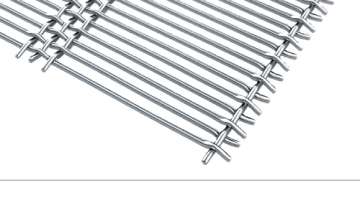
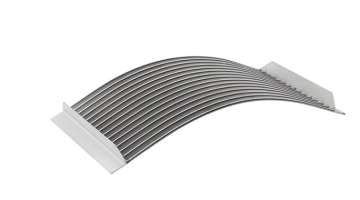
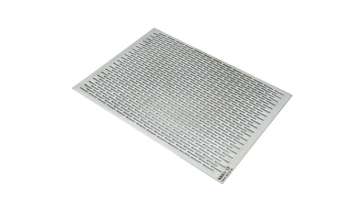
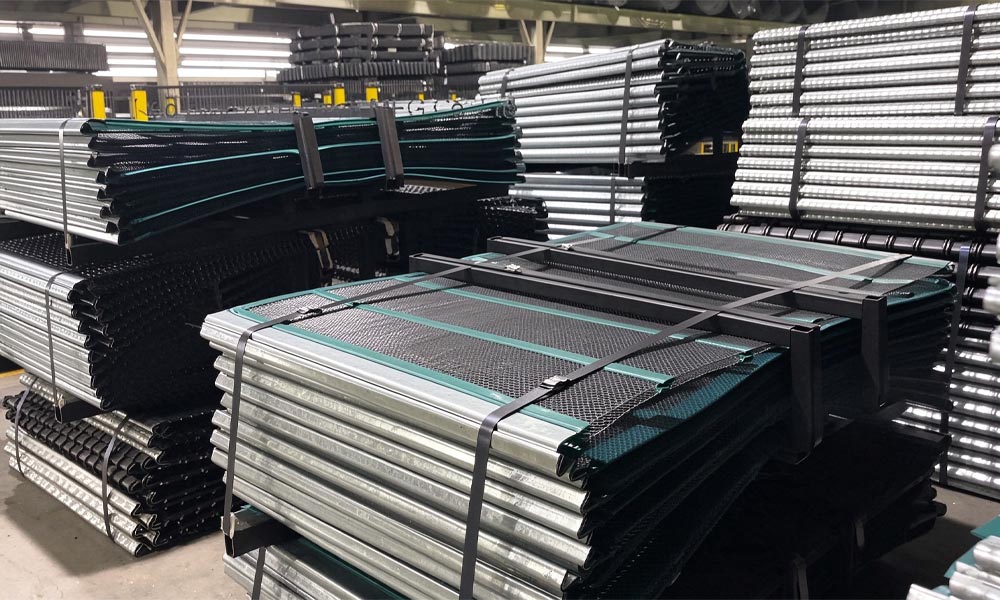
Aperture size and panel design are where Anti-Clogging Mesh Screens differ most from conventional panels, and the choice should follow from the cut point rather than from what is in stock. The aperture must be set from the product specification, and the relationship between nominal aperture and actual cut should be established for the material in question, since near-size behaviour varies and a nominal size does not guarantee a nominal result. The self-cleaning mechanism itself should be understood, because different designs achieve the clearing action in different ways and the mechanism should suit the duty rather than simply being present. Open area matters as much as aperture, since a screen that keeps its apertures open but offers too little open area will still limit capacity, and the panel thickness and edge design affect both the fit on the deck and the life of the panel. The design should be judged as a system rather than as a single headline feature.
Machine Compatibility And Mounting
Machine compatibility is the factor most often discovered too late, and Anti-Clogging Mesh Screens must suit the deck they are going onto rather than the other way around. The panel dimensions, fixing centers, and clamping arrangement must match the deck frame, and a screen that requires modification to fit is a screen that will cost more and take longer to install than the quotation suggested. The machine's motion and amplitude should be considered, because the self-cleaning action depends on the panel flexing as the deck runs, and a machine that does not deliver the right motion may not realize the benefit the screen was bought for. The tensioning or clamping system should be checked for condition as well as compatibility, since a worn clamp will compromise a new panel, and the deck structure should be inspected for distortion that would prevent any panel from seating properly. Compatibility is not a detail to be confirmed after purchase but a condition of the purchase being worthwhile.
Commercial Questions Worth Asking
The commercial side of buying Anti-Clogging Mesh Screens deserves the same scrutiny as the technical side, because the cheapest quotation is rarely the lowest cost over the life of the deck. Wear life should be established for the duty in question, since a screen that costs less but wears out sooner may cost more per tonne screened than a premium panel, and the supplier should be able to speak to performance in comparable applications rather than only to laboratory figures. Availability of spares and lead times matter on a deck that cannot afford to wait, and the modularity of the design affects both the cost of replacement and the downtime involved. Warranty terms, technical support, and the willingness of the supplier to visit the plant and look at the duty should all be weighed, because a supplier who understands the application is worth more than a small price difference. The purchase should be judged on total cost and support rather than on the invoice alone.
Buying anti-clogging mesh screens well comes down to matching rather than shopping, and the matching has to be done on the feed, the aperture and panel design, the machine and mounting, and the commercial terms that determine what the screen really costs over its life. A screen that suits the duty will keep its apertures open and its capacity steady, while one chosen on price or on a headline feature may fit the deck and still fail the feed. The factors set out here are not exotic, but they are easy to skip when a purchase is urgent, and skipping them is how plants end up with screens that were bought for the wrong reason. Taking the time to establish the duty first is the cheapest insurance available on a purchase that will be judged in service.