Granite quarrying is about as tough as it gets. The rock is hard, sharp, and comes in chunks big enough to break weak equipment. So, the vibrating grizzly screen—the first line of defense—really matters. Its effectiveness depends a lot on the grizzly screen bars themselves. If you want your screen to last and do its job, you need to understand how bar shape, what they’re made of, and their wear protection all work together under relentless conditions.
Making the Right Choice for Grizzly Screen Bars
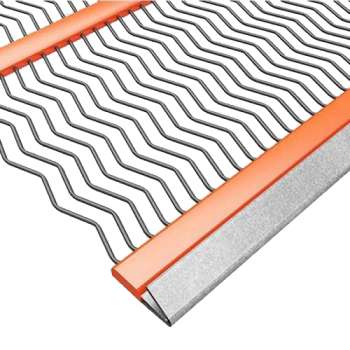
Granite is brutal on equipment. The rock’s compressive strength and rough edges chew through mild steel fast. If you stick with standard bars, you’ll be replacing them every few weeks. Instead, pick abrasion‑resistant options like AR400 or AR500, or bars that are hardfaced to handle the constant pounding. Bars with a tapered or curved profile fight material bridging and pretty much clean themselves—super helpful when you’re dealing with fines or sticky material. When you get the right bars, your screen maintains proper opening sizes way longer. That means fewer headaches, less manual clearing, and smoother quarry operation.
Setting Bar Spacing and Deck Layout
Bar spacing is where a lot of people mess up. If you go too narrow, your screen gets overloaded and oversized rocks pile up. Too wide, and massive boulders slip straight into your crusher—bad news for downtime and repairs. Look for grizzly screen bars that let you adjust bar spacing. Being able to tweak things as your feed changes keeps the wear spread out and extends bar life.
Screen Construction and Drive System Matter Too
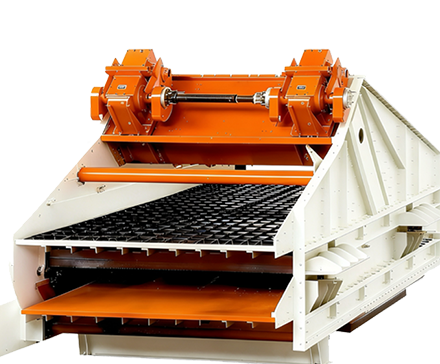
It’s not just about the bars. The whole screen has to withstand granite’s weight and force. You need thick steel side plates and strong cross members to avoid cracks and fatigue. The vibration setup needs to deliver enough power to move material efficiently and keep smaller particles moving through the deck of grizzly screen bars. Plus, a solid drive system with easy‑to‑access bearings means less maintenance and more uptime.
Conclusion
If you want to keep your granite quarry running without constant outages and costly repairs, don’t cut corners on your vibrating grizzly screen. Focus on tough, wear‑resistant bars, smart spacing, and a sturdy structure. Get these things right, and you’ll see way less downtime—and your cost per ton drops.


Leave A Reply
By using form u agree with the message sorage, you can contact us directly now