Flip-Flow Vibrating Screens vs Ordinary Rigid Vibrating Screens
If you’ve ever watched your ordinary rigid vibrating screen blind over completely in less than an hour after a light summer rain, forcing you to shut down the whole processing line for 30 minutes of messy manual scraping just to get half your wet coal or sticky fine aggregate flowing again, you know exactly how big of a difference a screen’s core design can make to your whole site’s daily operational efficiency. After years of chatting with operations and maintenance leads across coal washing plants, mineral processing sites and aggregate quarries across northern China, nearly every single one shared that they ran ordinary rigid screens for decades, until they tested flip flow models and realized most of their daily blinding and high maintenance headaches were completely avoidable. This no-fluff field-tested comparison guide breaks down the real-world performance gaps between ordinary vibrating screening equipment and purpose-built Flip-Flow Vibrating Screens,no empty marketing buzzwords, just insights pulled straight from hundreds of real on-site operational logs.
Core Motion Logic: Static Rigid Deck vs Dynamic Alternating Flex Deck
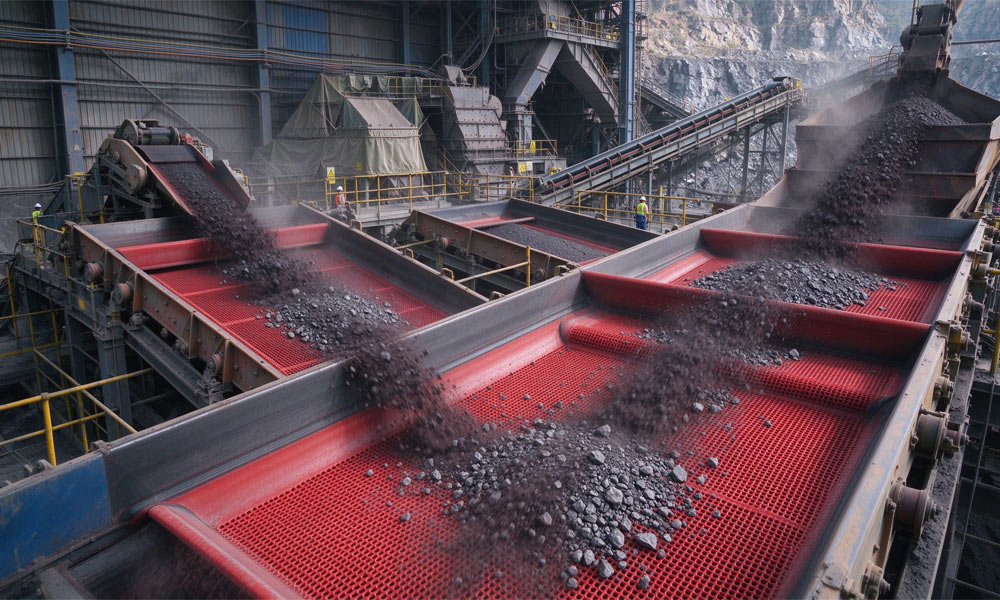
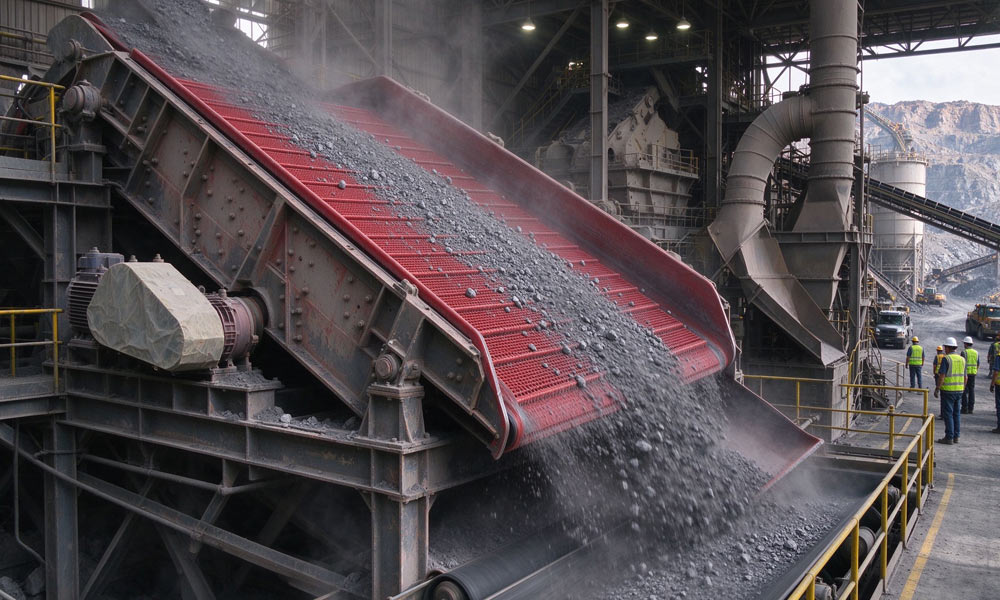
The most fundamental difference that drives every other performance gap between the two screen types is their completely different core working motion logic, with ordinary vibrating screens moving the entire rigid frame in a single fixed circular or linear stroke, while Flip-Flow Vibrating Screens use dual offset eccentric shafts to make every flexible PU panel stretch and snap back in an alternating independent flex motion. Ordinary rigid screens keep the entire screen surface completely static relative to the flowing material, so near-size sticky particles wedge tight in apertures and stay stuck there, packing the deck full of caked-on material quickly when processing damp sticky feed. The flip flow system’s independent panel flex action shakes every aperture dozens of times per second, flinging wedged particles loose automatically before they can lock in and cause blinding. Coal washing plants processing 25%+ moisture raw slack coal reported that manual blinding clearing work dropped by more than 90% after switching to flip flow models, with no more mandatory mid-shift full shutdowns.
Anti-Blinding Performance: Static Apertures vs Self-Cleaning Tapered Apertures
When processing damp sticky fine materials, ordinary vibrating screening equipment struggles drastically with blinding, because their rigid steel apertures are standard sharp-cornered square shapes that give soft wet clay and fine coal fines dozens of tiny sharp corners to wedge and lock into, sealing the whole deck over in less than an hour of continuous operation. Even with high-frequency vibration, the static steel apertures can never shake loose tightly packed sticky material, forcing teams to spray huge volumes of high-pressure wash water onto the deck to try and keep apertures clear, which only dilutes your slurry and creates extra water treatment work downstream. Purpose-built Flip-Flow Vibrating Screens use high-elasticity PU panels with tapered wide-bottom zero-corner apertures that have no sharp internal edges at all, so sticky particles can never find a corner to lock into, and the constant flex motion keeps every opening clear automatically. Lateritic bauxite processing sites found that their effective deck open area stayed above 90% across full 12-hour shifts, compared to less than 30% on their old ordinary rigid screens.
Wear Life and Maintenance Cost: Thin Rigid Steel Mesh vs Reinforced PU Panels
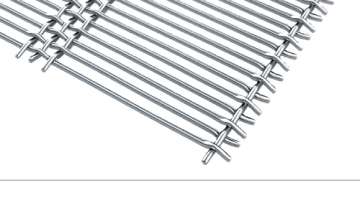
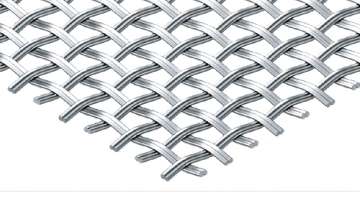
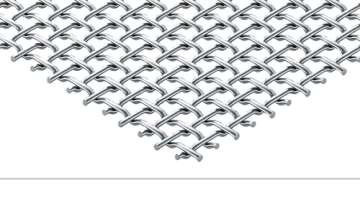
Ordinary vibrating screening equipment relies on thin rigid steel mesh that scours through quickly under continuous flow of sharp abrasive fine material, forcing maintenance teams to shut down for hours of messy full mesh replacement every 1-2 weeks, wasting huge amounts of potential production time and driving up spare parts costs drastically. The thin steel mesh also tears easily at mounting points, creating unexpected sudden failures in the middle of a shift that spill material all over the deck and create extra cleanup work. Heavy-duty Flip-Flow Vibrating Screens use reinforced mining-grade PU panels with embedded steel skeletons that deliver 5-7 times higher abrasion resistance than mild steel, so average panel service life jumps from 12 days to over 3 months. Their modular clip-on design also lets a single maintenance worker swap out individual worn panels in 5 minutes, no heavy lifting or full deck teardown required. Aggregate quarries reported that their total annual screen maintenance downtime fell by more than 80% after switching, and spare parts costs dropped by over 60%.
Throughput and Separation Consistency: Blinded Variable Deck vs Stable Full Open Deck
Ordinary vibrating screening equipment sees its effective throughput and separation accuracy drop off steadily as the shift goes on, as more and more apertures blind over, making fine qualified material get carried over into the oversize pile, ruining final product yield and creating tons of off-spec material that needs to be reprocessed. Even if you start the shift at full rated capacity, within a few hours your throughput can fall to less than half its target, and your final product size distribution becomes wildly inconsistent. Flip-Flow Vibrating Screens keep 90%+ of their deck apertures open at all times, no matter if your feed is completely dry or running at 15%+ moisture, so you get consistent maximum throughput and stable separation accuracy across every single hour of the shift. Multiple mineral processing sites shared that their final fine product yield increased by nearly 22% after upgrading, with far less mis-sized material being rejected or sent back for reprocessing.
By comparing these four core performance dimensions side by side, it becomes clear that for any site processing damp sticky fine material, well-engineered Flip-Flow Vibrating Screens deliver drastically better anti-clogging performance, far longer service life, lower maintenance costs and far more consistent screening results than ordinary rigid vibrating screening equipment.