Urethane Screen Panels: Key Features and Installation Best Practices
If you have ever swapped out screen media on a heavy-duty vibrating screening system after a premature failure, you know how easy it is to cut corners during installation, turning a high-quality new panel into a torn wasted part in less than a week. After years working with maintenance teams across North China’s aggregate and mineral processing sites, I have seen far too many operations throw away perfectly good urethane screen panels, not because the product was low quality, but because small avoidable installation mistakes created hidden stress points that caused early tearing and wear. This practical, field-tested guide breaks down the core performance features and step-by-step proven installation tips for vibrating screening system urethane screen panels, drawing on real on-site lessons generic supplier manuals never share.
Abrasion-Tuned Formulation Delivers 3–10x Longer Service Life Than Steel Mesh
The first defining performance feature of a purpose-built vibrating system unit is its custom-formulated urethane blend engineered specifically for high-impact abrasive screening duties, which resists gouging, abrasive shear, and material fatigue far better than any standard woven steel wire mesh, making high-quality Urethane Screen Panels last 3 to 10 times longer in real-world aggregate and mineral processing conditions. Top-tier manufacturers tune the material’s shore hardness to a 65-75A application-specific sweet spot: soft enough to absorb heavy high-speed particle impact without cracking, but firm enough to resist fast surface abrasion from sharp crushed rock and mineral particles. Unlike cheap generic urethane panels that turn brittle and crack after a few hundred hours of continuous vibration, these industrial-grade formulations hold their exact physical properties for thousands of operating hours, never delaminating, swelling, or losing their structural rigidity. This targeted material design eliminates the most common premature failure modes that plague standard screen media.
Precision Molded Tapered Apertures Prevent Pegging And Blinding
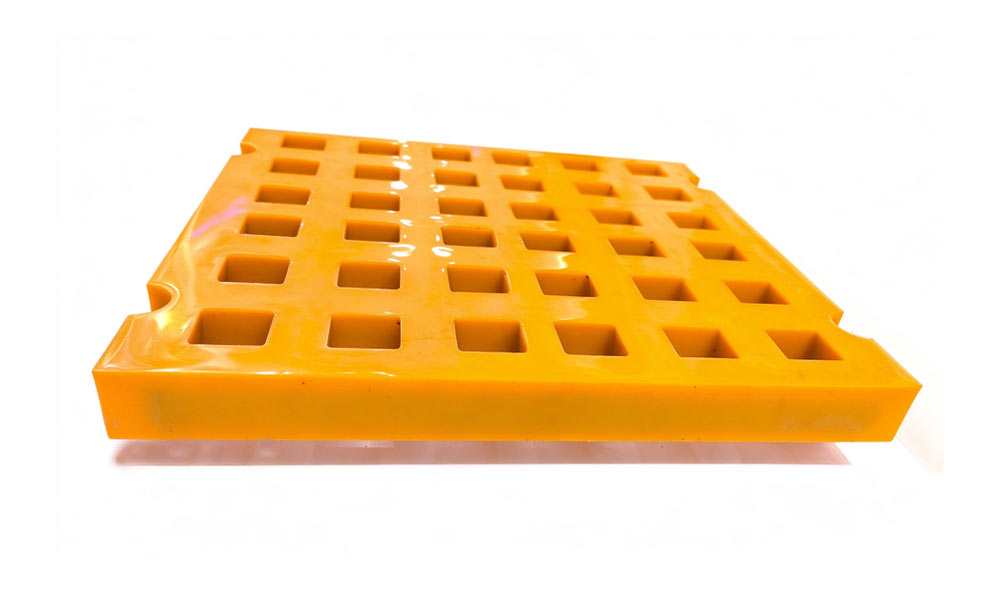
The second core functional feature is the fully molded tapered aperture design that widens slightly from the top feed surface down to the bottom discharge side, which prevents near-size particles from wedging tight and blocking the opening, a performance benefit no woven wire screen can match, and this design makes well-engineered Urethane Screen Panels maintain their full open area and peak screening efficiency shift after shift. Unlike uniform sharp-edged steel apertures that trap near-size particles permanently once they wedge into the opening, these tapered urethane openings naturally shake loose any stuck particle with every small vibration cycle, delivering a passive self-cleaning effect that requires zero manual intervention. Premium models also use a staggered non-aligned aperture layout that breaks up continuous material flow, spreading feed evenly across the full deck surface instead of letting it channel through a few high-flow zones that quickly clog up. This design drastically cuts unplanned downtime spent manually scraping blinded apertures.
Pre-Installation Deck Prep That Eliminates Hidden Wear Points
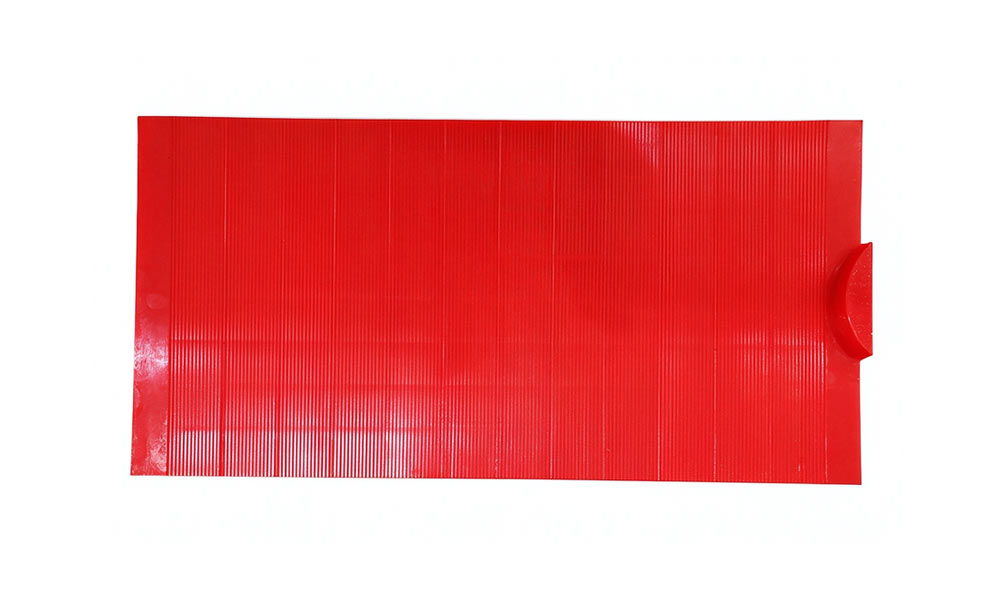
The first critical installation tip you should never skip is full thorough deck inspection and preparation before you even set the first new panel in place, a simple 10-minute step that most maintenance teams rush past, and this small bit of prep work will extend the total service life of your new Urethane Screen Panels by a huge margin. You need to wipe every single support rail completely clean of all old caked-on ore, rust, and leftover rubber fragments, then lay down a thin full strip of recycled soft rubber hose along the top contact surface of each rail to create a soft padded buffer between the hard steel rail and the urethane panel. This rubber pad eliminates the sharp hard steel edge that would otherwise rub and gouge the bottom of the urethane panel every time the deck vibrates, which is the single most common hidden root cause of premature bottom-side panel wear. You also need to check every rail for bent spots, sharp burrs, or loose mounting bolts that could create uneven pressure points that tear the panel from underneath.
Tensioning And Alignment Best Practices For Zero-Stress Mounting
The second make-or-break installation tip is following a staggered multi-stage tensioning sequence instead of yanking every bolt fully tight on the first pass, a mistake that creates uneven tension and concentrated stress points that make new Urethane Screen Panels tear prematurely. Set the first panel in place, hand-tighten all fasteners just enough to hold it loosely in position, then move on to the next panel and repeat the same process across the entire deck. Once every panel is loosely positioned and perfectly aligned with no overlapping edges or uneven gaps, go back and tighten all fasteners in a staggered alternating pattern, gradually bringing every bolt up to the manufacturer’s recommended torque level in two separate passes. This ensures tension is distributed completely evenly across every single panel, with no individual spot under extreme concentrated stress. After you finish full tensioning, run the shaker empty for 5 full minutes, then do a final quick check to re-torque any fasteners that loosened up during the initial vibration test.
At the end of the day, getting the maximum performance and service life out of your vibrating screening system urethane panels is not just about buying a high-quality product; it is about understanding their core material advantages and following simple, proven installation practices that eliminate all the avoidable hidden stress points that cause premature failure. The long-wearing abrasion-tuned formulation, anti-clog tapered aperture design, careful pre-installation deck prep, and correct staggered tensioning sequence combine to slash unplanned downtime, drastically extend panel service life, and keep your screening system running at full peak efficiency for far longer. For processing operations tired of wasting money on prematurely torn panels that fail far before their advertised service life, these simple field-verified steps will deliver immediate, measurable improvements to your entire screening circuit’s long-term profitability.