Practical Tips to Extend Flip Flow Screen Service Life
If you’ve ever pulled a brand new screen mat off your deck after barely 12 days of operation, torn completely through at the feed impact zone or ripped loose at the mounting hooks, you know exactly how frustrating it is to waste money on a panel that never even comes close to reaching its rated service life. After years of chatting with maintenance leads across coal washing plants, aggregate quarries and mineral processing sites across northern China, nearly every single one shared that they used to burn through mats every 2-3 weeks, until they started following a set of simple field-proven daily checks and small operational adjustments that made their mats last 2 to 3 times longer than before. This no-fluff practical guide breaks down the actionable, no-cost steps you can take right now to drastically extend the runtime of every Flip Flow Screen Mat you install, no fancy expensive upgrades required, just honest lessons pulled straight from hundreds of real on-site operational logs.
Match Feed Impact Zone With a Custom Wear-Resistant PU Liner
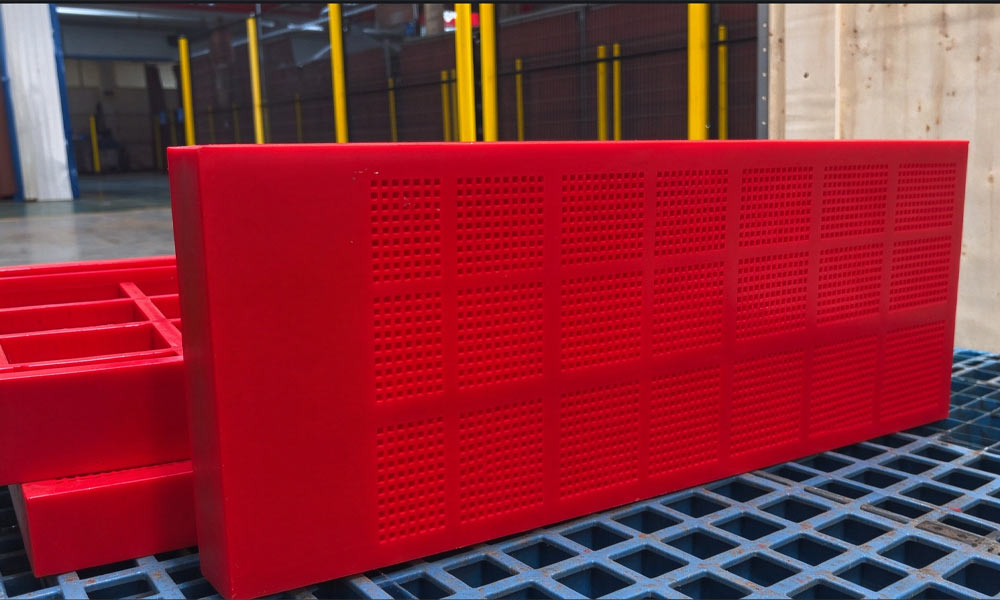
The first easiest, highest-return step to add months of extra life to every Flip Flow Screen Mat is adding a simple custom thick PU impact liner directly above the high-wear feed zone on your screen deck, a small upgrade that stops sharp heavy raw material chunks from slamming directly onto the soft flexible mat surface at high speed. Without this liner, all the sharp high-silica rock, wet coal lumps or hard ore chunks hit the same small 300mm section of the mat directly every single second, scouring through that localized spot far faster than the rest of the panel surface, making the whole mat fail prematurely even when 90% of the rest of the mat is still fully usable. The thick PU impact liner absorbs all that initial heavy impact and spreads the material flow evenly across the full width of the deck, so no single small section of the mat takes concentrated abrasive scouring. Aggregate quarries that added this low-cost liner reported that localized feed zone wear on their Flip Flow Screen Mat dropped by more than 70%, and average total mat service life jumped by nearly 40%.
Calibrate Eccentric Shaft Speed and Stroke to Material Properties
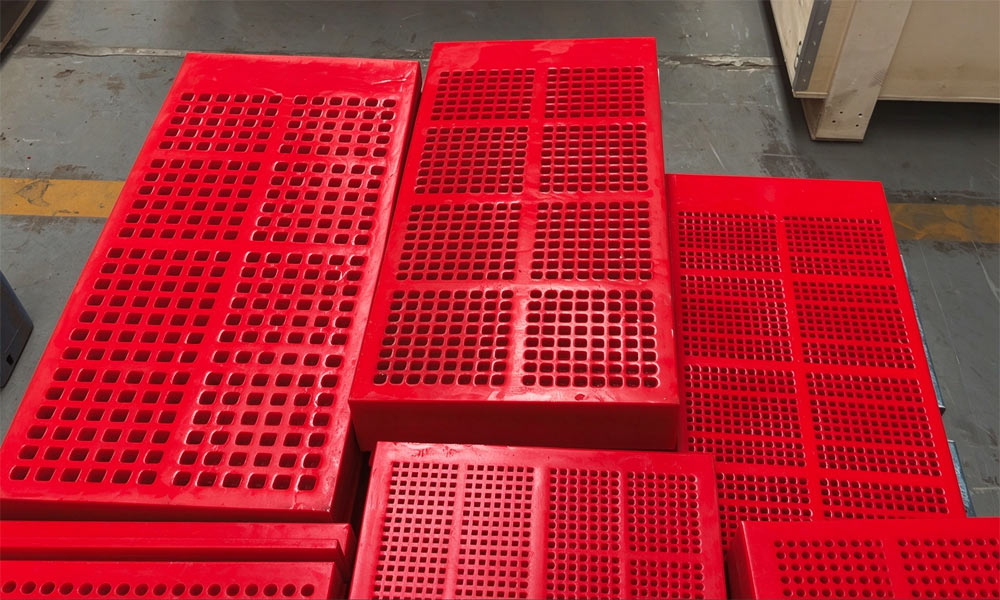
The second adjustment that a lot of people miss—but really makes a difference for mat fatigue—is dialing in your screen’s eccentric shaft speed and stroke length to fit the exact material you’re running. Plenty of operators just crank their flip flow deck to max speed all the time, no matter what’s coming down the line. They want more throughput, but what they get is way more stretching than the mat actually needs. That constant overstretching wears out the flexible PU mat way before its time. Stiff, cracked mats lead to breakdowns, early replacements, and a lot of pointless downtime.Instead, slow the shaft speed a bit and tweak the stroke so it matches the density, moisture, and size of your material. You still get great self-cleaning and anti-clogging, but you cut down how many times the mat stretches each hour—sometimes by a lot. Coal washing plants running sticky, high-moisture coal figured this out: just by fine-tuning deck speed for their actual feed, their Flip Flow Screen Mats lasted over 35% longer, with no loss in screening power.
Inspect Tension and Deck Rails Weekly to Eliminate Hidden Stress Points
The third big thing you can do doesn’t take much effort, and it stops most unexpected mat failures in their tracks. Just spend ten minutes once a week inspecting all the mat tension hooks and deck support rails. You’re looking for hooks that have worked loose or support rails that have bent out of shape. Even a little loosening can make a section of the mat sag, so it rubs the deck frame until it wears a hole straight through. Bent or crooked rails do something similar—they push unevenly on the mat until it tears from flipping back and forth all day.Find those problems early, tighten the hooks, and tap the rails back into position. Doesn’t take long, but it keeps your mat safe from extra stress long before you’d ever notice damage. Sites that made this quick inspection a weekly habit? They all but eliminated mid-shift tear-outs, and saw their screen mat service life jump almost 30%.
Flush Deck With Low-Pressure Warm Water During Off-Shift Breaks
Finally, want your mat to keep its bounce and flexibility for way longer? Make it a habit to flush down the deck with low-pressure warm water during every off-shift break. You clear away all those tiny, sharp mineral fines and sticky clay bits that like to wedge into the micro-grooves on the PU mat. Leave them too long and they scrape away the PU surface bit by bit, like a sheet of fine sandpaper every time the mat flexes. Mats wear thin, and you lose elasticity way sooner than you should.The secret is low pressure and warm water—not high-pressure cold blasts—which cleans all the fine stuff out without damaging the PU. Clay processing yards that started doing this five-minute daily flush kept their mats flexible far longer, and pushed their screen mat life to more than 25% above what they used to get.
Just by adding a low-cost PU impact liner above the feed, tuning your deck for your actual material, doing quick weekly tension and rail checks, and flushing the deck with warm water during breaks, you can easily double—or even triple—the total service life of every Flip Flow Screen Mat. That means way less money spent on spares and a whole lot less unplanned downtime.