Flip Flop Vibratory Screen for Wet Sticky Ore Anti-Blinding Screening
If you’ve ever spent 40 minutes every single shift crouched on a damp processing deck, digging clumps of sticky clay-rich ore out of every blinded screen aperture with a crowbar, while hundreds of tons of raw high-moisture feed pile up on the oversize belt and your whole circuit’s throughput drops to less than 40% of its normal target, you know exactly how much blinding from wet sticky ore can turn a simple sizing step into your whole mine’s biggest daily operational bottleneck. After years of chatting with maintenance leads across southern China’s bauxite mines, lateritic rare earth sites and high-moisture iron ore processing plants, nearly every single one shared that they fought this persistent blinding problem for decades with traditional rigid vibrating screens, until they tested a flip flop design and realized most of that daily messy manual clearing work was completely unnecessary. This no-fluff field-tested guide breaks down exactly how a purpose-built Flip Flop Vibratory Screen works, and where it delivers the biggest real-world gains for sticky ore processing, no empty marketing buzzwords, just insights pulled straight from hundreds of real on-site operational logs.
Dual Offset Eccentric Shafts Create Unique Alternating Tension Motion
The core working principle that separates this screen from every traditional rigid vibrating model is the dual independent offset eccentric shaft drive system that a heavy-duty Flip Flop Vibratory Screen is built around, a mechanism that makes the flexible screening panels flip back and forth instead of just moving up and down in a fixed circular or linear stroke. Traditional single-shaft vibrating screens move the entire rigid frame in a single consistent motion, so the screen surface stays almost completely static relative to the material flowing across it, letting soft damp sticky particles wedge tight in apertures and pack the deck full of caked-on material in less than an hour of operation. The two eccentric shafts run at slightly different synchronized speeds, pulling the flexible PU panels tight and then releasing them in a rapid alternating cycle that stretches and snaps every section of the screen surface dozens of times per second. This unique motion never lets near-size sticky particles settle long enough to lock themselves permanently into an aperture, shaking them loose automatically before they can cause blinding.
High Elasticity PU Panels Convert Vibration Into Self-Cleaning Flex Action
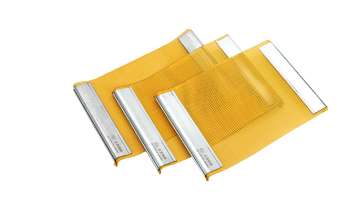
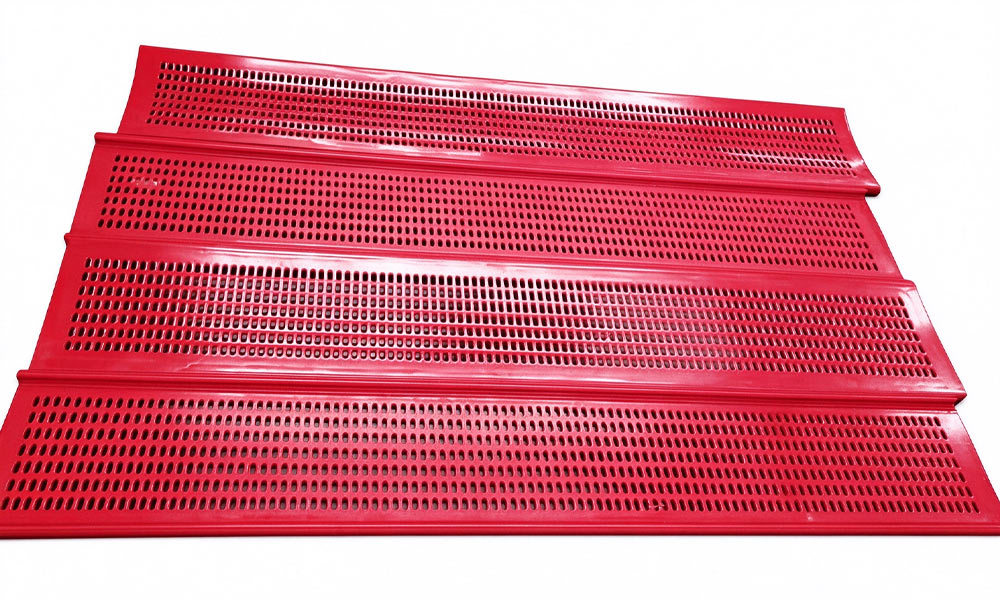
The second core part of the working system is the set of high-elasticity modular PU panels installed across the deck of a quality Flip Flop Vibratory Screen, a specially formulated soft but durable polymer that turns the alternating tension motion from the eccentric shafts into the rapid small bouncing action that stops sticky ore adhesion. Cheap low-quality generic flexible panels use hard low-elasticity PU that quickly fatigues and stiffens up after a few weeks of constant stretching, losing all its bounce and turning effectively rigid, so blinding issues come right back almost immediately. The premium mining-grade PU formulation keeps its consistent 70-80 Shore A hardness and 100% stretch recovery rate even after thousands of hours of continuous operation, so every single vibration cycle delivers the same strong snapping action to fling sticky material loose. Bauxite mines processing 22%+ moisture high-clay lateritic ore reported that manual blinding clearing work dropped by more than 90% after installing these screens, with no more mandatory mid-shift full shutdowns to dig out wedged material.
Pre-Sizing for High-Moisture Clay-Bearing Lateritic Bauxite
The most widely proven high-return application for a well-engineered Flip Flop Vibratory Screen is the pre-sizing step for high-moisture clay-rich lateritic bauxite, where traditional rigid screens blind over completely in less than 45 minutes of continuous operation. Most bauxite mines processing tropical lateritic ore run feed moisture between 18% and 28%, with fine soft clay particles that stick to every surface and wedge into every standard square aperture, making it impossible to separate fine qualified ore from coarse oversize waste rock without constant manual clearing. Installing a flip flop screen at this pre-sizing stage eliminates almost all blinding, letting the mine separate fine qualified bauxite fines efficiently before they go into the crushing circuit, drastically cutting the amount of soft sticky clay that gets sent to the crusher and reducing crusher blockage downtime by more than 60%. Multiple southern China bauxite operations reported that their total pre-sizing throughput jumped by nearly 35% after switching to this screen type, with no extra major equipment upgrades.
Fine Sizing and Dewatering for Weathered Rare Earth and Iron Ore Fines
Another high-value application that many mines overlook is using a purpose-built Flip Flop Vibratory Screen for fine sizing and dewatering of weathered rare earth ore and high-moisture fine iron ore fines, two materials that constantly blind standard fine mesh screens. Weathered rare earth ore and weathered iron ore both carry high levels of fine sticky clay and run at 15%+ moisture, making it almost impossible to run fine sizing on traditional steel mesh, which clogs completely in less than 2 hours. The flip flop screen’s continuous flexing action keeps fine apertures open consistently, letting you separate fine target mineral particles from coarse waste material efficiently without blinding, while also draining excess free moisture out of the fine product. Rare earth processing sites reported that their fine mineral recovery rate increased by more than 11% after switching to this screen, and their final fine product moisture content dropped by 3.2 percentage points.
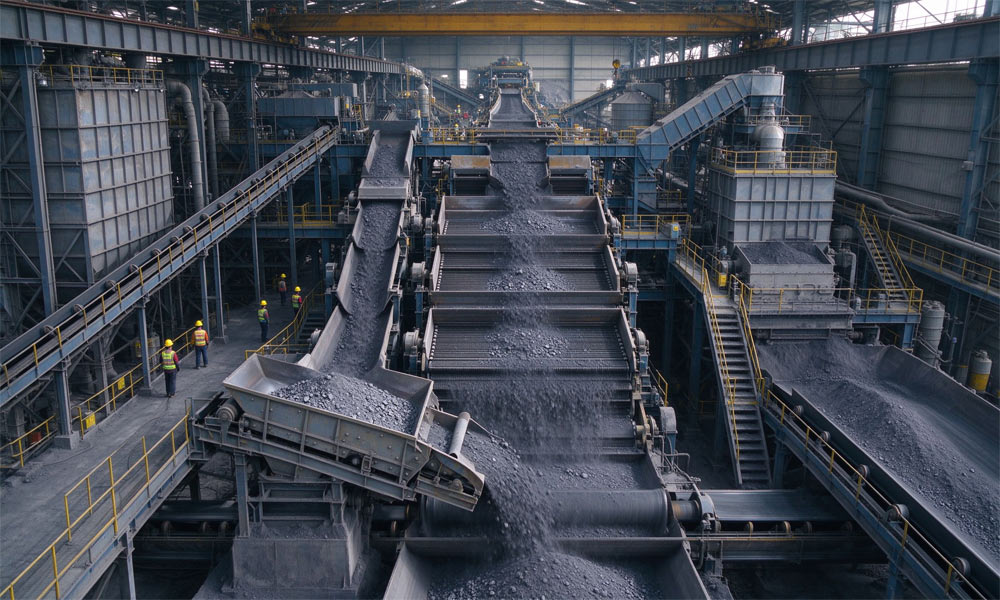
By understanding how the dual-shaft alternating tension motion and high-elasticity PU panels work together, and deploying a purpose-built Flip Flop Vibratory Screen at the right pre-sizing or fine sizing stage for your sticky ore processing circuit, you can eliminate almost all daily manual blinding clearing work, drastically boost your total plant throughput, and cut your total annual screen maintenance and unplanned downtime costs by more than half compared to running traditional rigid vibrating screens.