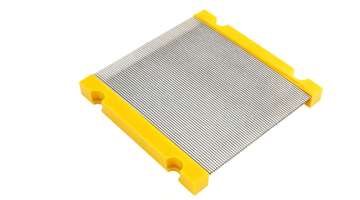
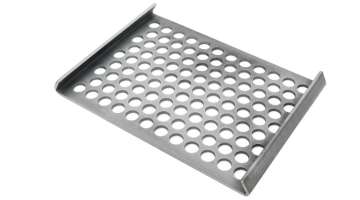
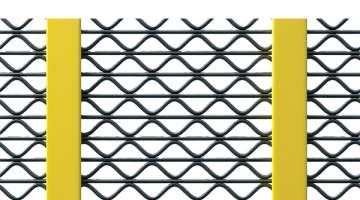
Fine PU Mining Vibration Screen For Fine Particle Dewatering
Dewatering fine particles is one of the least glamorous jobs in a mineral processing plant, but it is often the one that decides whether the product can be sold, stockpiled, or transported without a fight. A fine PU mining vibration screen is built for exactly this duty, combining a molded polyurethane surface with the vibration profile needed to drive water out of a fine bed rather than simply moving material along the deck. Plants that struggle with wet, sticky fines usually find that the problem is not the dewatering theory but the media and the machine settings working against each other. This article looks at why fine particle dewatering is difficult, what features of a polyurethane vibration screen address those difficulties, how the duty differs across applications, and what operators can do to keep performance steady over the life of the panel.
Why Fine Particle Dewatering Is Difficult To Get Right
Water does not leave a fine bed easily, and the reasons are physical rather than a matter of effort. A Fine PU Mining Vibration Screen has to overcome capillary forces that hold moisture in the voids between fine particles, a bed that compacts under vibration instead of loosening, and a drainage path that becomes longer as the layer gets thicker. Fine particles also tend to blind small apertures, and once the surface is partly blinded the water has nowhere to go, so the bed stays wet and the deck starts to carry material rather than drain it. The vibration itself has to be tuned carefully, because too little motion leaves the bed static and too much throws material forward before the water has had time to pass through. Add abrasive solids, process water that may be warm or chemically active, and the need to run continuously, and it becomes clear why dewatering fine particles is a job that rewards media designed specifically for it.
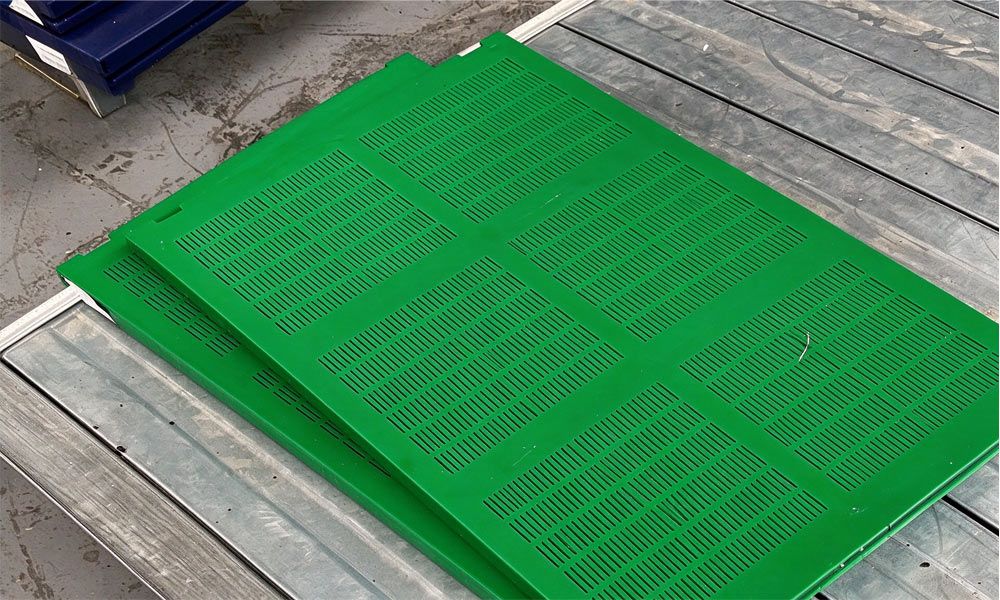
Features Of Polyurethane That Support Dewatering
The properties that make polyurethane useful in fine dewatering are mostly about surface behaviour and controlled flexibility rather than raw strength. A Fine PU Mining Vibration Screen benefits from a low friction surface that reduces adhesion of damp fines, which keeps apertures open and lets water pass rather than being held at the surface by surface tension. The flexibility of the moulded panel allows slight movement under vibration, and this helps break the bond between particle and aperture edge, an effect that matters most when the bed is fine and cohesive. Polyurethane resists hydrolysis and corrosion, so it holds up in continuous wet duty where steel media would degrade, and it tolerates the abrasive solids that make dewatering decks wear quickly. The material is less stiff than steel, which is why panel design and support have to compensate, but in fine wet duty that trade off usually works in polyurethane's favour because the surface stays open and the cut stays stable.
Matching The Screen And The Machine To The Duty
A dewatering screen is a system, and the panel only performs as well as the machine it sits on allows. A Fine PU Mining Vibration Screen should be specified from the feed size distribution, the solids concentration, the target moisture, and the required tonnage, because these determine aperture size, open area, panel thickness, and the compound hardness that suits the abrasion level of the ore. The vibration profile matters just as much, since dewatering needs a motion that loosens the bed and moves water down through it rather than simply conveying material, and deck angle, stroke, and frequency all interact with the panel's behaviour. Support and tensioning have to keep the panel seated and stiff enough to avoid deflection, because a flexible panel that is poorly supported will sag, wear unevenly, and lose drainage performance. Wash water, where used, should reach the apertures and dilute the bed rather than merely wetting the surface, and spray patterns should be checked regularly because blocked nozzles are a common cause of localized wet spots.

Applications And Keeping Performance Steady Over Time
Fine polyurethane vibration screens appear across a range of dewatering duties, and the way they are run differs somewhat by application. A Fine PU Mining Vibration Screen is commonly used for dewatering fine coal, mineral sands, and fine ore concentrates, and in each case the aim is a product that can be handled without excess moisture while recovering as much fine material as the specification allows. In coal preparation the duty often involves a bed that is fine and plate-like, which blinds easily, so the low friction surface and controlled flexibility are particularly valuable. In mineral sands and fine concentrates the emphasis is on consistent moisture and high recovery, and here the stable aperture size helps hold performance as feed conditions change. Keeping that performance steady means inspecting for partial blinding rather than only for visible damage, checking panel seating and tension at each change, and tracking product moisture against panel age so that drift is caught before it affects the specification.
Fine PU mining vibration screens earn their place in dewatering because their features address the specific problems that fine, wet beds create, from capillary-held moisture and surface tension blinding to abrasive wear and corrosion. The low friction surface, the controlled flexibility that helps clear apertures, and the chemical resistance of the material all work together, and the machine settings and support details around the panel determine how well those properties are delivered in practice. None of this removes the need for proper specification, sensible vibration settings, and regular inspection, and plants that treat these as part of the job get far more from the media than those who simply fit a panel and hope. Where reliable fine particle dewatering is the goal, that combination of material and attention is what keeps the deck draining shift after shift.