Fine Polyurethane Screen Mesh and Wire Mesh For Aggregate Grading
Aggregate grading is a specification-driven business, and the screen media is where that specification is either held or lost. Metal wire mesh has been the default choice for decades, but it comes with a set of well-known weaknesses that show up most clearly when the cut point is fine and the product has to meet a tight gradation band. Fine polyurethane screen mesh has gradually taken ground in these duties, not because it is new or fashionable, but because it solves several of the practical problems that wire mesh creates in day-to-day aggregate production. This article compares the two media across the areas that matter most in aggregate grading, from aperture consistency and wear behaviour to blinding, noise, and whole-life cost, and explains where polyurethane earns its place and where wire still makes sense.
Aperture Consistency And Gradation Control
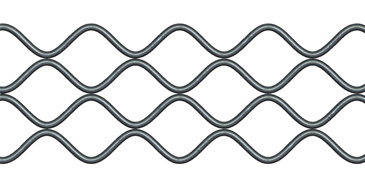
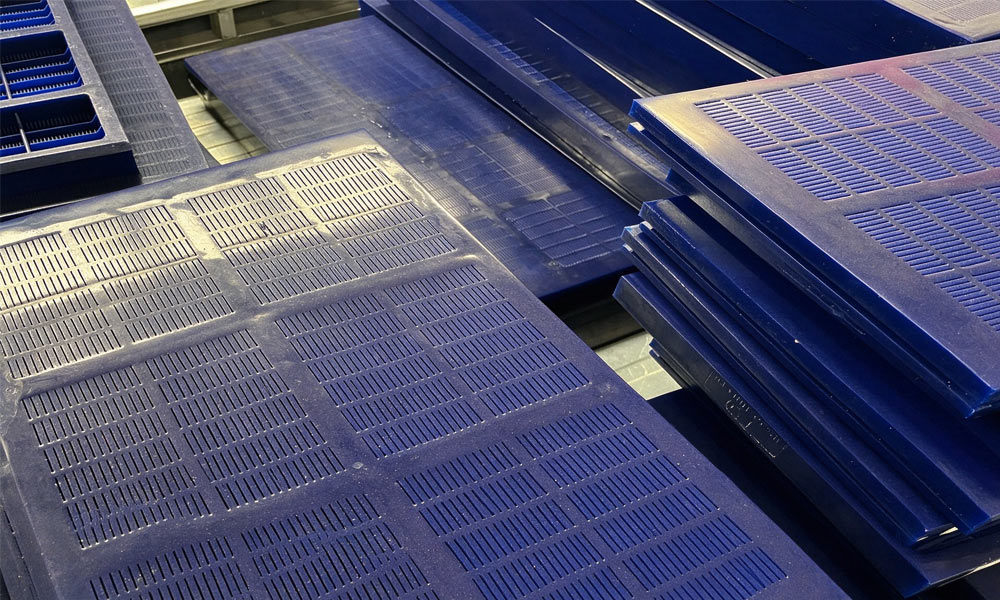
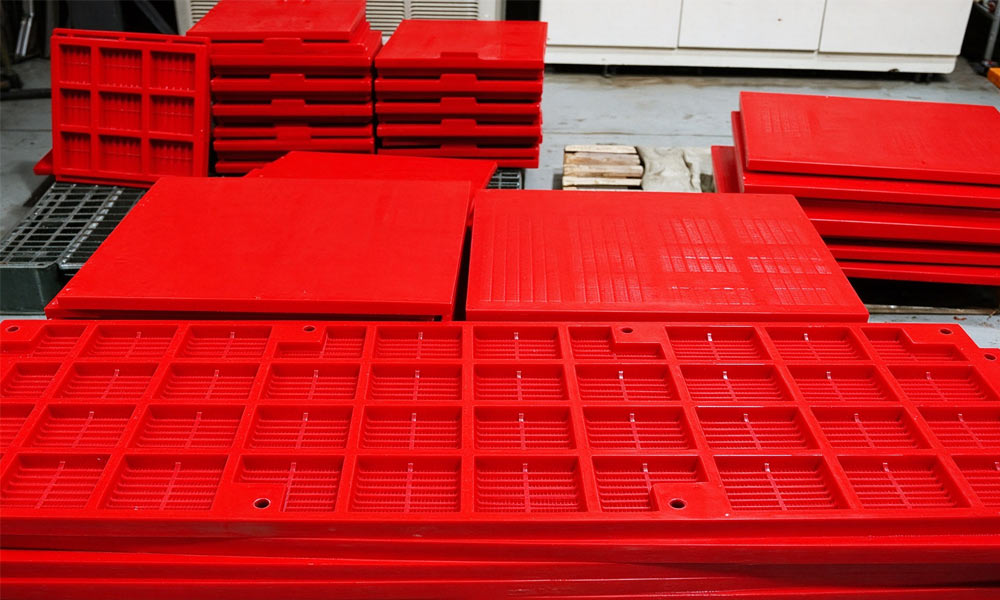
The first thing that separates the two media in aggregate grading is how precisely and how consistently they hold the cut point. A Fine Polyurethane Screen Mesh is moulded rather than woven, so every aperture is formed by the same tooling and held to a tight tolerance across the panel and between panels, which means the product gradation stays within a narrow band shift after shift. Woven wire, by contrast, is made by interlacing strands, and the openings can shift slightly as the weave settles under load, while wire movement at the crossover points allows near-size particles to pass that should have been retained. In a duty where a few percent of oversize or undersize can push a load out of specification, that difference is not academic. Moulded apertures also keep their shape as the panel wears, whereas wire apertures distort and enlarge, so the cut point drifts over the life of the media.
Wear Behaviour And Service Life
Wear is where the comparison becomes very practical, because the cost of screen media is largely the cost of replacing it. A Fine Polyurethane Screen Mesh wears by gradual abrasion of the aperture edges rather than by breakage, and because the material is elastic it absorbs impact from larger particles instead of cracking or deforming. Wire mesh in aggregate duty tends to fail at the crossover points, where movement between strands causes fretting and eventually breaks, and a single broken wire can open an aperture large enough to contaminate the product. Polyurethane panels typically deliver a longer service life in abrasive aggregate circuits, and they fail progressively rather than suddenly, which gives the plant warning before the specification is affected. The trade off is that polyurethane is not as stiff as steel, so it needs proper support to avoid deflection, but in fine aggregate grading that support is usually already part of the deck design.
Blinding, Pegging And Wet Aggregate Conditions
Aggregate plants often run with wash water, and moisture is where wire mesh shows one of its clearest weaknesses. A Fine Polyurethane Screen Mesh has a low friction surface that reduces adhesion of damp fines, and its flexibility allows slight movement under vibration that helps clear near-size particles from the apertures. Wire mesh, especially at fine apertures, is prone to blinding when damp fines pack into the openings, and to pegging when near-size particles wedge between the wires and stay there. Once a section of wire deck blinds, the effective screening area drops and the cut point shifts, and cleaning it usually means stopping the plant. Polyurethane resists both problems better in wet duty, and where blinding does occur it tends to be partial and easier to clear. This is one of the main reasons aggregate operations with wash screens have moved toward polyurethane in their fine sizing decks.
Noise, Weight And Whole-Life Cost
The differences between the two media extend beyond the deck itself, into the working environment and the total cost of ownership. A Fine Polyurethane Screen Mesh is considerably lighter than equivalent wire media, which reduces load on the deck frame and makes panel changes quicker and safer for maintenance staff. Polyurethane also dampens sound far better than steel, and in a plant where noise exposure is a regulated issue, the reduction in screening noise is a genuine benefit rather than a minor detail. On whole-life cost, the higher purchase price of polyurethane is usually offset by longer service life, fewer stoppages for cleaning and replacement, and more consistent product quality that avoids rework or rejected loads. Wire mesh remains cheaper to buy and is still the right choice for some coarse or high-impact duties, but in fine aggregate grading the economics tend to favour polyurethane once downtime and quality risk are counted.
Fine polyurethane screen mesh offers aggregate producers a set of advantages over metal wire mesh that matter most where the duty is fine, wet, and specification sensitive. Moulded apertures hold the cut point consistently, the material wears progressively rather than breaking suddenly, and its surface behaviour resists the blinding and pegging that plague wire decks in damp conditions. Add the lighter weight, lower noise, and the whole-life cost picture, and the case for polyurethane in fine aggregate grading becomes clear. Wire mesh still has a place in coarse and high-impact applications where its stiffness and low purchase price win out, and no single medium suits every deck. But for the finishing screens that decide whether a load meets specification, polyurethane has become the more dependable choice, and the plants that have made the switch rarely go back.