Fine Polyurethane Screen For Precision Fine Particle Separation
Fine polyurethane screen mesh sits at the small end of the screening spectrum, where openings are measured in fractions of a millimetre and the material passing through is often the product the whole plant exists to make. It is a molded or cast polyurethane medium with a fine aperture pattern, used where conventional woven wire either wears out too quickly, blinds under wet conditions, or cannot hold a consistent cut point. Understanding what this material actually is, and where it earns its place in mineral separation, helps plants decide whether it suits their duty or whether a different medium would serve them better. This article explains the construction and properties of fine polyurethane mesh, then looks at how it is applied in mineral separation and what it takes to run it well.
What Fine Polyurethane Screen Mesh Actually Is
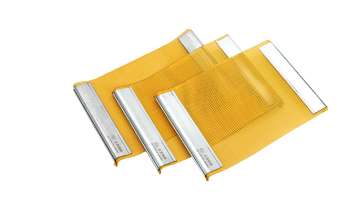
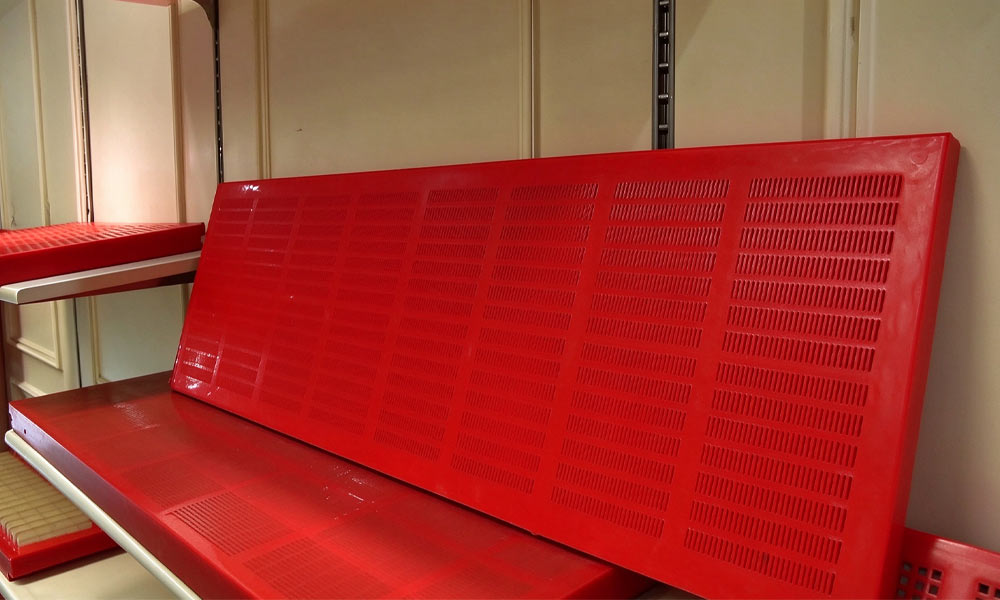
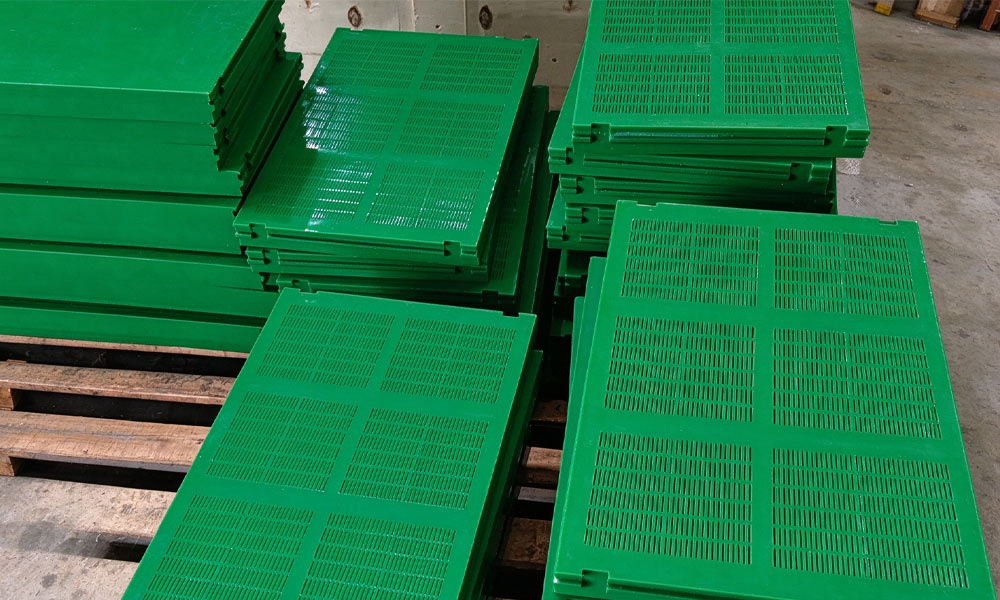
The name covers a family of products rather than a single item, and the differences within that family matter when specifying. A Fine Polyurethane Screen Mesh is typically a molded panel with apertures below roughly one millimetre, made from a polyurethane compound selected for a balance of elasticity, abrasion resistance, and resistance to hydrolysis. Unlike woven wire, which is made by interlacing strands, polyurethane mesh is formed in a mould, so the aperture shape and size are set by the tooling and held to a tight tolerance across the panel. The material itself is a polymer with a low friction surface and enough flexibility to flex slightly under vibration, which helps shed material and resist blinding. Panels are usually modular, with a reinforced edge or fixing points molded in, so they can be fitted to a deck frame and replaced individually rather than as a complete deck.
Why Polyurethane Suits Fine Aperture Duty
At fine apertures, the properties that matter most are not the same as those that matter in coarse screening, and polyurethane happens to offer a useful combination for this range. A Fine Polyurethane Screen Mesh benefits from the low surface energy of the material, which reduces adhesion of wet fines and lowers the capillary forces that cause blinding at small openings. The flexibility of the panel is also important, because slight movement under vibration helps to break the bond between particle and aperture edge, and this effect is more pronounced at fine sizes where particles are light and easily held in place. Polyurethane also resists abrasion well in wet duty, and it does not corrode, which matters in mineral processing where wash water and fine slurries are constantly present. The trade off is that polyurethane is not as stiff as steel, so the panel needs proper support to maintain aperture geometry under load.
Applications In Mineral Separation
Fine polyurethane mesh is used across a range of mineral separation duties, and the common thread is a need for a consistent fine cut in conditions that would shorten the life of wire media. A Fine Polyurethane Screen Mesh is often found in the final sizing stages of sand and industrial mineral plants, where product gradation has to be held within a narrow band and moisture is present. It also appears in dewatering duties where the aim is to recover fines while producing a dry enough cake, and in some ore processing circuits where a fine cut is needed ahead of downstream separation. The material is less suited to very coarse or highly abrasive primary screening, where steel or heavier rubber media usually wins on cost and durability. In practice, the decision usually comes down to whether the duty is fine, wet, and specification sensitive, which is exactly where polyurethane performs best.
Specifying, Installing And Running Fine Mesh Well
Getting good results from fine polyurethane mesh depends as much on how it is specified and run as on the material itself. A Fine Polyurethane Screen Mesh specification should define the target cut point, the feed size distribution, the moisture content, and the required capacity, because these determine aperture size and shape, panel thickness, and compound hardness. Installation needs even support and correct clamping, since a panel that is not properly seated will flex unevenly and wear or blind prematurely. Operating parameters such as stroke, frequency, and deck angle should be set for fine feed rather than inherited from a previous coarse duty, and wash water should be applied where it reaches the apertures rather than simply wetting the bed. Inspection should focus on aperture condition and partial blinding, because both affect the cut point before they become visible as damage, and keeping a record of product analysis against panel age makes it easier to judge when replacement is due.
Fine polyurethane screen mesh is best understood as a precision medium for a specific range of duties rather than a universal replacement for wire or rubber. Its molded construction gives consistent apertures, its low friction surface and flexibility resist blinding in wet fine duty, and its abrasion and corrosion resistance suit the conditions found in mineral separation plants. It does not suit every application, and it demands proper support and sensible operating settings to deliver its advantages. Where the duty is fine, wet, and specification driven, however, it offers a combination of cut point stability and service life that is hard to match with conventional media, and that is why it has become a standard choice in the finishing end of many mineral processing circuits.