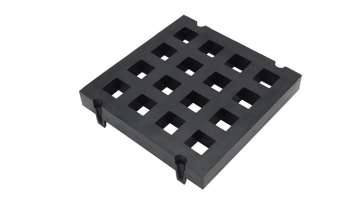
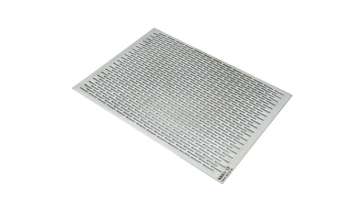
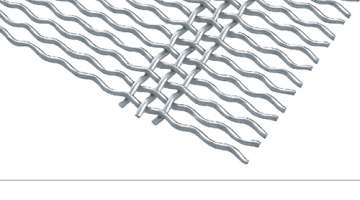
China Polyurethane Screen: Superior Wear Performance for Aggregate Screening
If you’ve ever swapped out a completely scoured-through steel screen panel on your aggregate sizing deck after barely 2 weeks of continuous operation, right when you’re running flat out to hit a peak construction season production target, you know exactly how much constant abrasive action from sharp crushed stone, gravel and manufactured sand can burn through panels fast, waste hours of unplanned maintenance time and blow your whole monthly consumable budget before you hit the 15th of the month. After years of chatting with quarry operations and maintenance leads across northern China, nearly every single one shared that they used to stick with traditional steel screens for decades, until they tested a locally made polyurethane panel and realized their old steel panels were costing them twice as much in replacements and downtime every single year. This no-fluff field-proven guide breaks down exactly what makes the real-world wear performance of a quality China Polyurethane Screen stand out for aggregate screening, no empty marketing buzzwords, just insights pulled straight from hundreds of quarry on-site operational logs.
Custom Formulated PU Compound Delivers 3-10x Longer Wear Life Than Steel
The first core performance advantage that defines the outstanding wear resistance of a quality China Polyurethane Screen is its custom-calibrated Shore A hardness polyurethane compound, formulated specifically for the high-abrasion properties of sharp aggregate, instead of using generic soft PU that wears through far too fast. Cheap low-quality polyurethane panels use soft low-grade recycled PU material that scours away quickly when hit by sharp high-silica aggregate fines, wearing through completely in less than a month, while properly engineered locally manufactured panels use a carefully blended virgin PU formulation tuned to 85-95 Shore A hardness, paired with a slow full curing process that eliminates soft spots and weak points across the full panel. This optimized material has far better abrasion resistance than standard mild steel, with field tests showing it lasts 3 to 10 times longer than traditional steel wire mesh under the same aggregate screening operating conditions. Local granite quarries that upgraded to these properly formulated PU panels for their fine sizing decks reported that their average panel service life jumped from 2 weeks to over 3 months, with zero unexpected premature wear failures even when processing tens of thousands of tons of sharp crushed aggregate.
Tapered Aperture Geometry Reduces Abrasive Edge Scouring
Its unique "tapered aperture" design—a feature easily overlooked—plays a significant role in enhancing wear resistance. Many high-quality polyurethane screen panels incorporate this simple yet highly effective design, which prevents sharp aggregate particles from wearing down the edges of the apertures. In contrast, traditional square-shaped steel apertures feature 90-degree sharp corners, where hard, angular fine aggregates often become lodged. As the screen surface vibrates, these trapped particles repeatedly grind against the edges of the openings, causing the apertures to enlarge until the screen panel becomes unusable—long before the rest of the surface has worn away. Polyurethane screens with tapered apertures, however, utilize a "narrow-top, wide-bottom" geometry; this allows sharp aggregate particles to pass through freely without becoming stuck or abrading the edges, thereby reducing edge wear by more than 50%. Some companies that have switched to these tapered-aperture polyurethane screens report that edge wear has virtually disappeared. Instead, wear across the screen surface occurs more slowly and uniformly, significantly mitigating the risk of premature screen failure caused by localized damage to the aperture edges.
High Elasticity Self-Cleaning Properties Cut Down Blinding-Related Wear
The third practical performance trait that further extends total service life is the natural high elasticity of the PU material, a built-in property that a well-made China Polyurethane Screen uses to deliver constant self-cleaning action and stop damp sticky aggregate fines from blinding the deck and accelerating wear. Rigid steel panels stay completely still as they vibrate, so damp fine aggregate particles wedge tight in square apertures and stay stuck there, creating a hard abrasive layer on the deck that scours across the whole panel surface and speeds up overall wear drastically. The flexible PU strips flex slightly every single time the deck vibrates, wiggling loose any near-size aggregate particles that try to wedge in the openings, so the panel stays completely open and free of blinding for far longer, with no hard trapped abrasive layer grinding across the surface. Quarries that upgraded to these elastic PU panels found that blinding-related downtime dropped by more than 70%, and overall average panel wear life increased by nearly 40% compared to old rigid steel panels.
Modular Panel Structure Reduces Unnecessary Full Panel Replacement
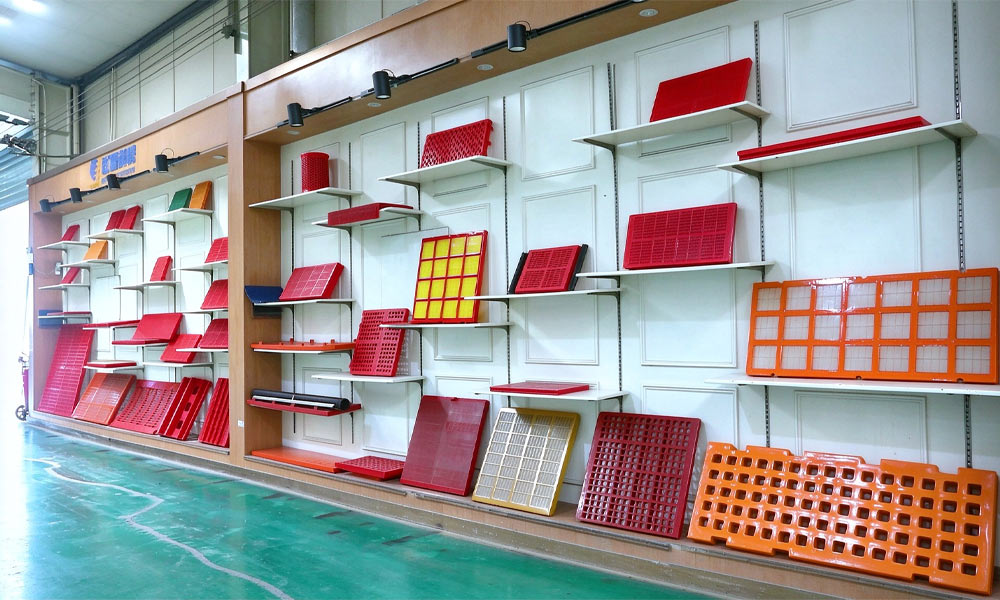
The final practical design advantage that cuts total operating wear-related costs even further is the modular panel structure that almost all local manufacturers use for a standard China Polyurethane Screen, a layout that lets you swap out only the small locally worn sections of the deck instead of replacing the full entire screen frame when one small spot wears through. Traditional large one-piece steel panels force you to throw away and replace the whole full panel even if only one small 300mm section is completely worn through, wasting all the remaining usable life left on the rest of the panel surface. The small modular PU panels mean you only need to replace the individual few panels that are located in the high-wear feed impact zone, leaving all the lower-wear downstream panels in place to keep running for months longer. Quarries that switched to this modular design found that their total annual screen spare parts consumption dropped by more than 60%, since they no longer threw away large mostly intact panels just because one small section wore out.
By picking a properly engineered, locally manufactured China Polyurethane Screen built with the right custom hardness PU compound, tapered anti-wedging apertures, high elasticity self-cleaning properties and modular layout, you can drastically cut your total annual aggregate screening maintenance costs, eliminate almost all unplanned downtime, and get far longer consistent wear life out of your screening deck than you could ever get from traditional steel screen panels.