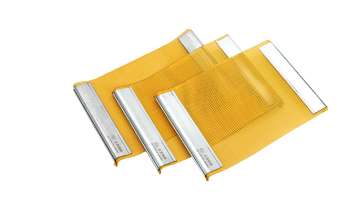
Anti-Clogging Vibrating Screen For Low-Noise Screening
Mineral processing plants have lived with the deafening roar of vibrating screens for generations, accepting that high screening performance and low workplace noise are two mutually exclusive goals that you can never have at the same time. Anti-Clogging Vibrating Screen designs break this long-standing assumption, combining industry-leading anti-blinding performance with a re-engineered structural layout that cuts operational noise levels dramatically, without any compromise to throughput or separation efficiency. This is not a simple add-on noise reduction blanket that just muffles existing sound, it is a fundamental redesign that eliminates the root causes of screen noise right at the source. This article breaks down where traditional vibrating screen noise comes from, how the anti-clogging media cuts material impact noise, how the optimized frame eliminates resonant vibration, and how plants can meet strict occupational noise standards without sacrificing screening performance.
Where Traditional Vibrating Screen Noise Actually Originates
Traditional vibrating screen noise does not come only from the motor and exciter unit, and an Anti-Clogging Vibrating Screen design addresses every major noise source one by one, instead of just treating the symptoms. The single largest noise source on a conventional screen is not the drive system, it is the constant high-velocity impact of heavy abrasive mineral particles against a rigid steel static mesh deck, followed by the sharp metallic rattle of loose lodged particles being crushed and vibrated between hard steel wires. The second major noise source is structural resonance, where the vibration frequency of the exciter lines up with the natural resonant frequency of the screen frame, making the entire deck ring like a giant steel bell and amplifying every small noise out to the edges of the processing plant. Most plants waste thousands on acoustic barriers and personal hearing protection, but they never address these root causes that generate the noise in the first place.
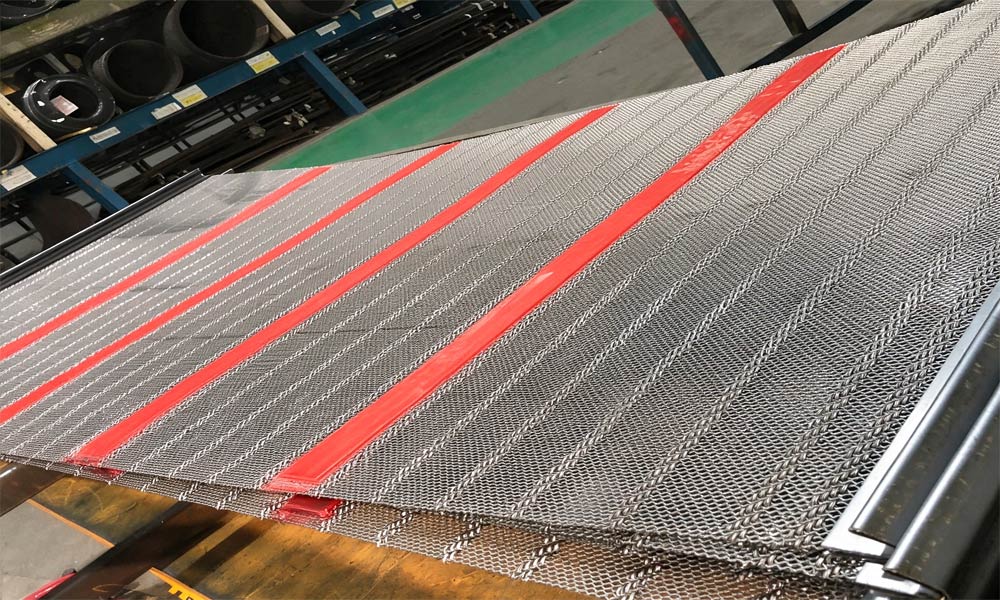
Anti-Clogging Media Eliminates High-Impact Particle Rattle
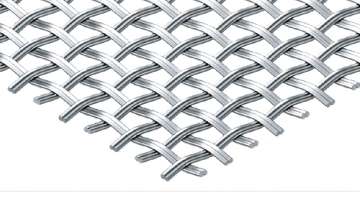
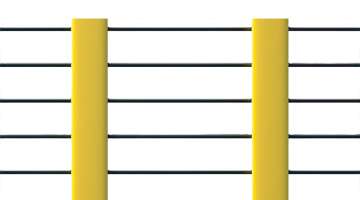
Anti-clogging media eliminates high-impact particle rattle because an Anti-Clogging Vibrating Screen replaces the hard, unyielding static steel mesh surface that creates most of the sharp metallic noise. The profiled, slightly flexible anti-clogging wires absorb the initial impact of incoming mineral particles instead of bouncing them off a rigid steel surface, and there are no empty apertures for loose near-size particles to rattle around in and create that constant sharp clattering sound that fills most screening bays. Because no particles lodge permanently in the mesh, there are no trapped hard stones being crushed between two rigid steel wires under repeated vibration, which is the source of the most jarring, high-frequency noise that causes the most hearing damage for plant operators. The material flows smoothly across the deck with far less chaotic impact and rattling, cutting the peak high-frequency noise levels by a very noticeable margin the moment the new deck is first started up.
Optimized Frame And Mounting Eliminates Resonant Amplification
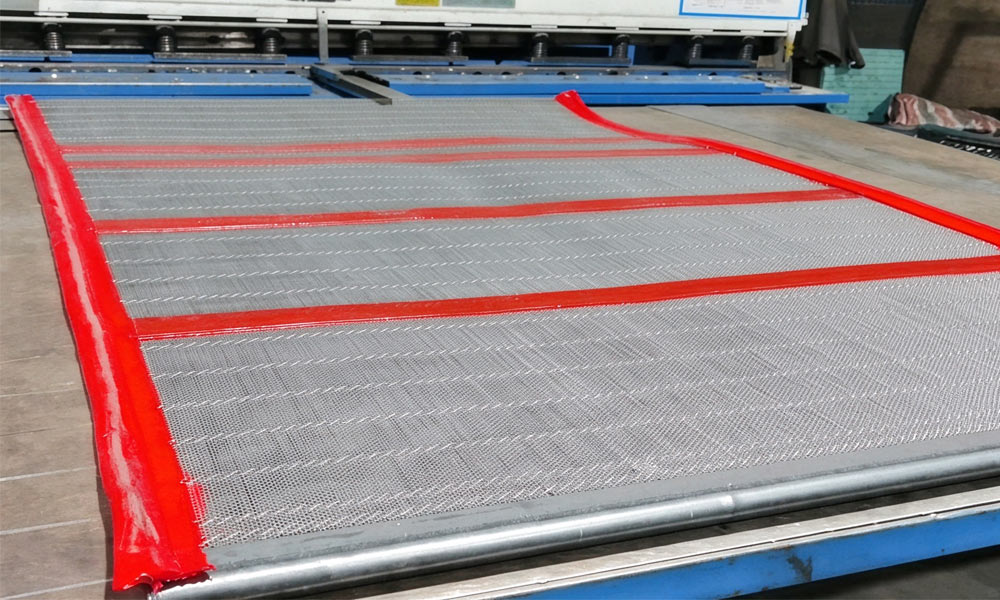
Optimized frame and mounting eliminates resonant amplification because an Anti-Clogging Vibrating Screen is engineered from the ground up to avoid the resonant frequency overlap that makes conventional screens so loud. The frame sections are tuned with reinforced ribbing and vibration-damping composite inserts at all the high-stress contact points, so the natural resonant frequency of the structure never lines up with the operating frequency of the exciter unit. The screen is also mounted on heavy-duty, carefully calibrated isolation springs that absorb almost all the remaining vibration energy before it can transfer into the supporting steel structure of the building, so the floor and surrounding process piping do not start vibrating and acting as giant noise-amplifying surfaces. This means the low remaining noise from the drive and material flow never gets amplified across the whole structure, and the overall noise level drops far below what you could ever achieve with simple add-on noise covers.
Meeting Strict Occupational Noise Standards Without Performance Loss
Meeting strict occupational noise standards without performance loss is the final practical benefit that makes this design such a game changer for modern mineral processing operations, because an Anti-Clogging Vibrating Screen never forces plants to choose between low noise and high screening performance. Most conventional attempts to reduce screen noise involve adding heavy rubber layers over the mesh, reducing stroke amplitude, or slowing down feed rate, all of which make blinding far worse and destroy screening efficiency. This low-noise anti-clogging design does the exact opposite: it reduces noise while improving throughput, eliminating blinding, and delivering sharper product classification. Plants no longer need to build expensive full acoustic enclosures around their screens, they no longer have to enforce strict short exposure times for operators working near the screening bay, and they can easily meet the strictest modern occupational health noise limits without any compromise to production output.
Mineral processing operations no longer have to accept that a high-performance vibrating screen has to be one of the loudest pieces of equipment on the plant site, and anti-clogging vibrating screen designs resolve this old conflict by eliminating noise at its source instead of just muffling it after the fact. The flexible anti-clogging media cuts sharp particle impact and rattle noise, the tuned frame and isolation mounting eliminates resonant amplification, and the whole system lets plants meet strict occupational noise standards without any drop in throughput or separation performance. This is not a one-size-fits-all solution for every extremely high-tonnage heavy mining duty that requires maximum possible structural rigidity, but for the vast majority of modern mineral processing plants that are working to improve workplace safety and reduce environmental noise pollution, this design delivers a balance of performance and low noise that no conventional vibrating screen can match.