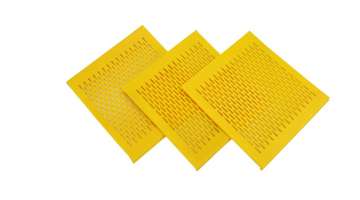
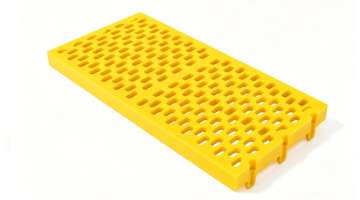
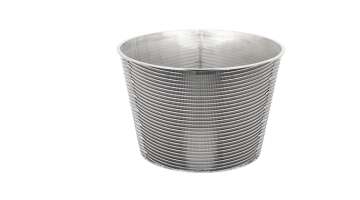
Self Cleaning Screen For Heavy Load Full-Capacity Screening
Most processing industries have seen it happen: the screening deck is running perfectly at 70% of its rated tonnage, but the second the plant pushes feed rate up to full design capacity to hit production targets, blinding explodes across the deck, throughput collapses, and the product gradation drifts completely out of spec. Anti-Clogging Self Cleaning Screen designs are built specifically to break this performance wall, because they do not lose their ability to self-clear even when the deck is completely covered with a thick, deep bed of heavy feed material. This is not just a minor tweak to a standard anti-clogging design, it is a re-engineered geometry that works reliably under full load, when most conventional decks would be completely overwhelmed. This article breaks down why heavy feed load destroys conventional screen performance, how the robust anti-clogging geometry keeps working under deep beds, how it preserves stable cut point at maximum tonnage, and how plants can safely unlock their full circuit capacity.
Why Heavy Feed Load Destroys Conventional Screen Performance
Heavy feed load destroys conventional screen performance because an Anti-Clogging Self Cleaning Screen solves a problem that standard decks are completely unequipped to handle. When a thick deep bed of material sits on top of a conventional static mesh, the weight of the overlying particles presses every near-size and fine particle hard down against the wire surface, forcing near-size stones to wedge firmly into apertures and squeezing damp fines into every tiny gap. The vibration of the deck cannot reach down through the deep heavy bed to dislodge these lodged particles, so blinding spreads across the entire deck in minutes. The plant is then forced to pull the feed rate right back down just to clear the blinding, and the circuit can never actually reach the full design tonnage that the rest of the crushing and processing plant was built to handle. Most operations end up accepting this as a hard physical limit, never realizing that the bottleneck is not the screen's structural strength, it is the basic inability of conventional mesh to resist blinding under deep heavy bed conditions.
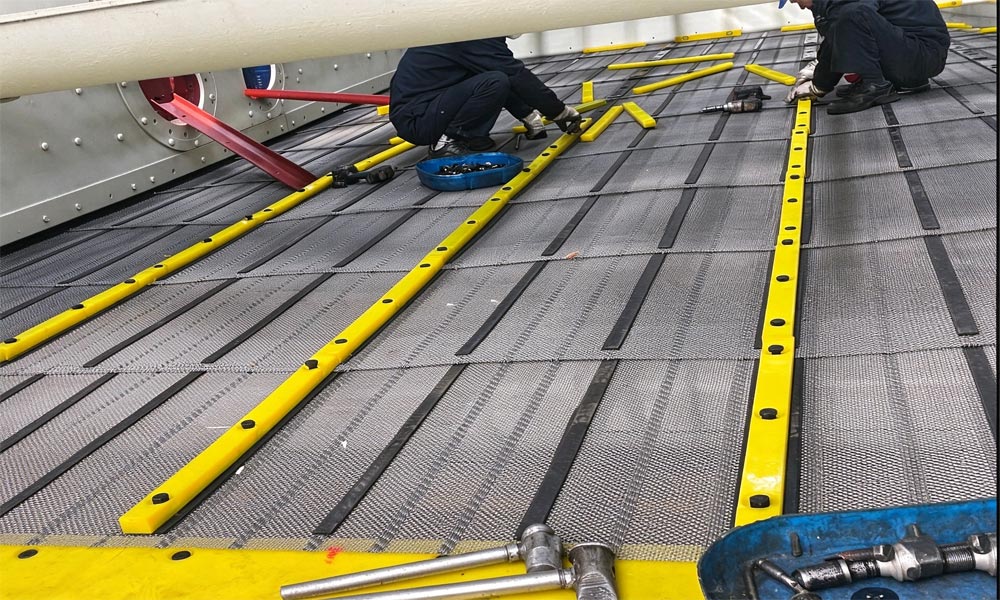
Robust Anti-Clogging Geometry That Works Under Deep Beds
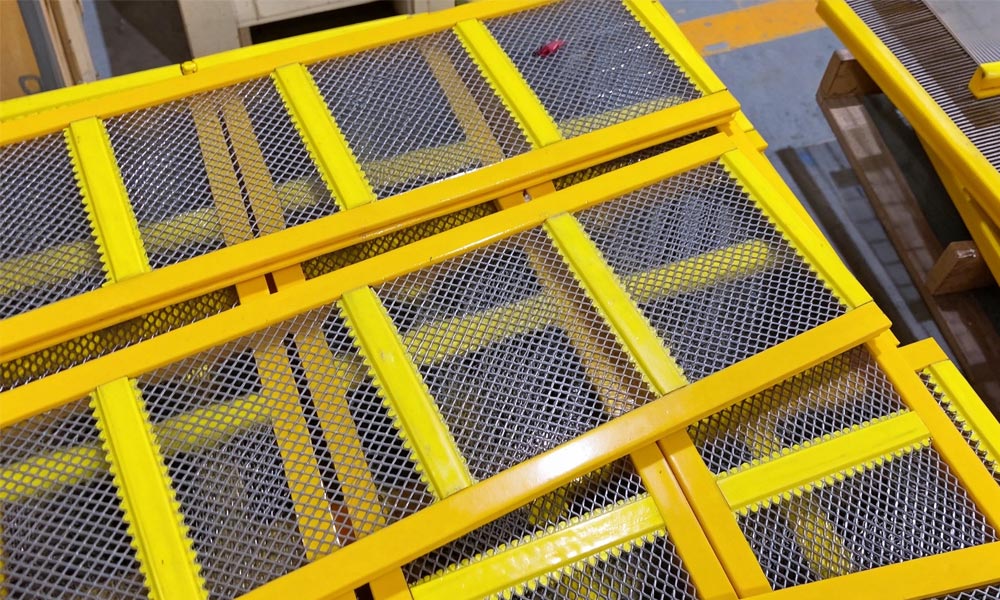
Robust anti-clogging geometry that works under deep beds is the core design breakthrough, because an Anti-Clogging Self Cleaning Screen does not rely on weak, delicate wire movement that gets suppressed under a heavy load. The profiled, independently flexing wires are sized and spaced so that their self-clearing motion is strong enough to break lodged particles free, even when a thick, heavy bed of material is pressing down on top of them. The unique shape of each wire creates small, localized agitation pockets right at the aperture level, so the vibration does not have to travel all the way down through the deep bed to reach the particles that are trying to lodge in the openings. Even when the deck is running at 100% of its maximum rated tonnage, with a deep material bed that would completely smother a conventional anti-clogging design, these self-clearing apertures keep ejecting lodged particles and shedding blinding material continuously.
Preserving Stable Cut Point Even At Maximum Tonnage
Preserving stable cut point even at maximum tonnage is the most valuable operational benefit, because an Anti-Clogging Self Cleaning Screen never lets its separation performance collapse the second the plant pushes feed rate up. On a conventional deck running under heavy load, blinding does not just reduce throughput, it makes the effective aperture size shrink unevenly across the deck, so the cut point drifts finer and massive amounts of misplaced near-size material get carried over into the oversize stream. This overloads downstream crushers, creates unwanted recirculating load, and destroys the consistency of the final product gradation. Because the anti-clogging design keeps every aperture active and unobstructed even under full heavy load, the cut point stays locked exactly at the intended design value, no matter how high the feed tonnage goes. The plant does not have to choose between running at full capacity and making on-spec product, it can do both at the same time.
Unlocking Full Circuit Capacity Without Extra Capital
Unlocking full circuit capacity without extra capital is the final practical payoff, because an Anti-Clogging Self Cleaning Screen lets plants break their old screening bottleneck without having to buy a whole new larger screen circuit. Most processing plants already have excess capacity in their crushers, conveyors, and downstream equipment, but they have never been able to use it because the old conventional screen cannot handle the heavy feed load without blinding. Swapping the old deck out for this heavy-duty anti-clogging design lets the plant push feed rates up to the full nameplate capacity of the rest of the circuit, no new major equipment investment required. The team just has to adjust their feed distribution to spread the heavy material evenly across the full deck, and they will immediately see higher consistent tonnage, no unexpected blinding stops, and far more stable product quality across every full production shift.
Heavy feed load does not have to be an unbreakable performance ceiling that stops a processing plant from reaching its full design capacity, and anti-clogging self cleaning screen designs break this bottleneck completely by keeping their self-clearing action working even under a thick, deep bed of material. The robust geometry does not get smothered by heavy overlying material, preserves a perfectly stable cut point even at maximum tonnage, and lets plants unlock their full existing circuit capacity without spending money on major new equipment. This is not a replacement for every light-duty low-tonnage screening application, and small batch operations that never run their decks above 50% capacity will not see the full benefit, but for any plant that has always had to hold back feed rate to avoid blinding, this design is one of the highest-return, lowest-investment upgrades they can make to their entire processing circuit.