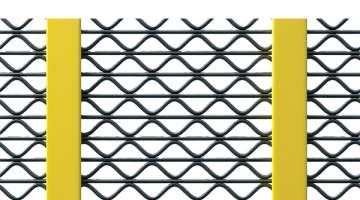
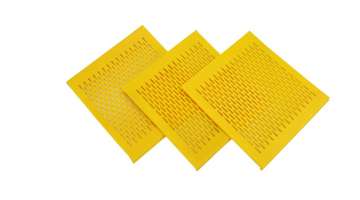
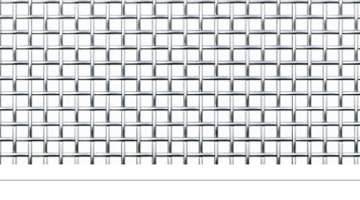
Poly Edged Self Cleaning Modular Panel For Fast Screen Deck Maintenance
Screen deck maintenance is one of those jobs that always seems to come at the worst possible moment and the difference between a two hour changeout and a two shift shutdown is largely a function of how the panel is constructed rather than how hard the crew work. The poly edged self cleaning modular panel is designed to deal with that reality head on. It has a flexible polyurethane edge which seats and releases cleanly and a modular format which allows individual sections to be replaced without disturbing the rest of the deck. The self cleaning apertures keep the panel working in between changes and the poly edge makes the change itself very quick, very predictable and far less dependent on the skill of the person on shift. This article looks at why replacement speed has become a design requirement rather than a nice to have, how the poly edge delivers that, what modularity adds to a working deck and how you can plan your changeouts so that the benefit is actually realised.
Why Replacement Speed Has Become A Design Requirement
Replacement speed is important because screen deck downtime is never a standalone event. The Poly Edged Self-Cleaning Modular Panel is designed with the very realisation that the panel is just one element of a stoppage. A deck change that takes longer than it should will of course hold up the circuit behind it, tie up the labour that was otherwise scheduled for other work and then force production into a catch-up period where the deck is running harder than it should. The conventional method of clamping a full width panel with clamp hardware that has either corroded or seized turns a simple change into a real pain in the neck and the risk of damaging the new panel during fitting increases in direct proportion to the number of minutes the job takes. Plants that are running on a continuous basis will feel this most keenly as there is no convenient time to do the work and every hour of deck downtime is an hour of lost production. Designing for fast replacement is not about making it easy, it's about protecting the circuit from a maintenance task that should be a simple one.
How The Poly Edge Makes Fitting And Release Cleaner
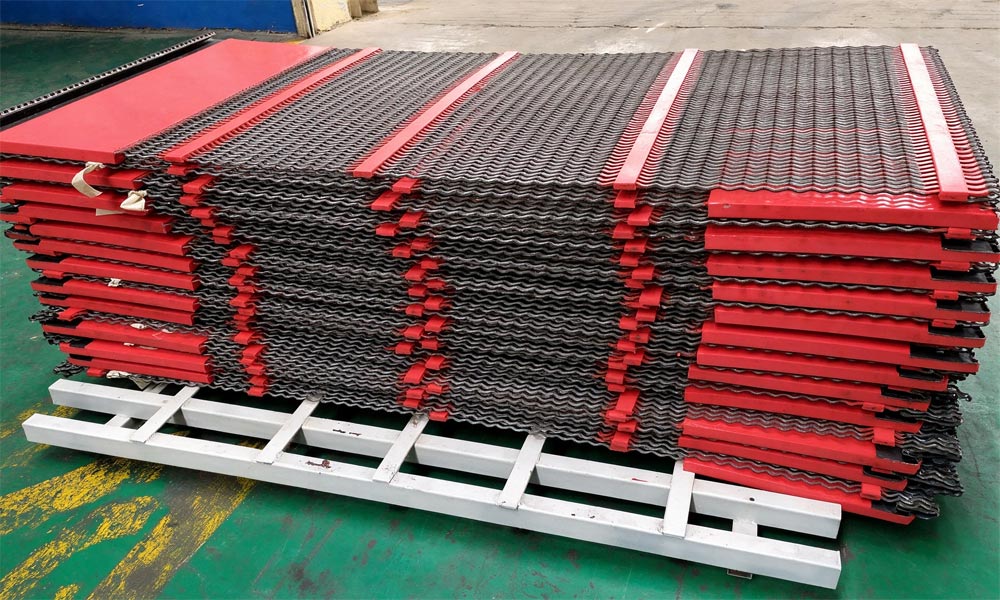
The Poly Edge is the feature that makes the Poly Edged Self-Cleaning Modular Panel so easy to handle. It changes the interface between the panel and the deck from a metal on metal clamp to a flexible seating arrangement. The polyurethane edge seats to the deck frame and the clamping system so the panel seats without the force that a rigid edge would require and releases in the same way rather than having to be pried or hammered free after a lot of fines and moisture. The edge is flexible so it will tolerate minor frame irregularities that would cause a rigid panel to sit proud or rock, which in turn reduces the amount of fitting work you have to do to get the panel flat. The edge also protects the panel during handling as the border is the part most susceptible to damage when you're lifting a panel into position and a protected border is a panel that arrives at the clamp in the condition it left the store. A cleaner fit and a cleaner release is what turns a changeout from a nightmare into something that you can plan.
What Modularity Adds On A Working Deck
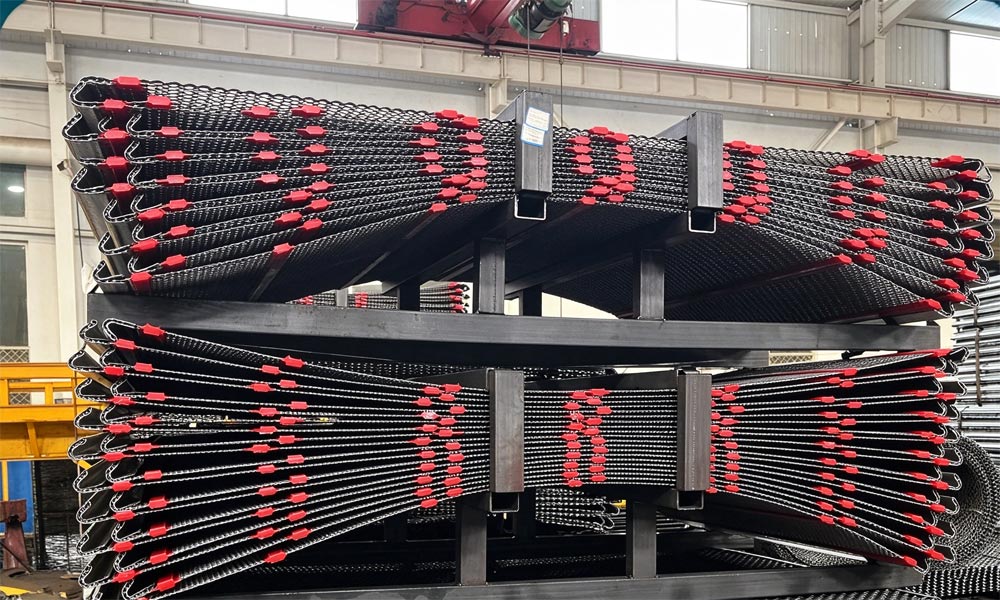
Modularity is where the Poly Edged Self Cleaning Modular Panel really comes into its own on a deck that simply can't afford to go dark. It enables the deck to be worked in sections rather than as a whole. A worn or damaged module can be lifted and replaced and the rest of the deck continues to operate. It means that wear can be managed where it actually occurs (decks don't wear evenly) and you don't have to replace the whole panel just because one section is bad. You can hold your spares as modules rather than full width panels which reduces your store footprint and the capital tied up in inventory. The module is also light enough to be handled by a smaller team without the need for lifting equipment. On a continuous deck the ability to replace a section without the whole machine going dark is often more valuable than any one performance figure.
Planning Changeouts So The Benefit Is Realized
A Poly edged self cleaning modular panel only really enables a quick change out if the change out is planned around it and planning starts well in advance of the panel actually being due to be changed. Wear should be monitored by module so that change outs are scheduled on the basis of evidence rather than on the basis of a failure having occurred and the modules most likely to require change out should be identified in advance so that spares are available when the window opens. The clamping hardware and the frame should be inspected at each change out as a seized clamp or a distorted rail will slow the change out regardless of how good the panel is and the results of that inspection should inform the next planned stoppage. The crew should know the sequence and the tools required prior to the deck stopping and the change out should be recorded so that the time taken becomes a known quantity rather than a guess. Planning is what turns a good panel design into a genuinely quick change out.
A poly edged self cleaning modular panel brings together two things that screen decks need right at the same time; apertures that will keep themselves open through the campaign and a format which allows the worn sections to be replaced very quickly when the campaign is over. The poly edge makes fitting and release a lot cleaner, the modular format keeps the deck working through the change out and the planned replacement turns the design advantage into actual uptime. Screen deck maintenance is never going to be popular but it doesn't have to be disruptive and a panel designed for quick replacement is often the simplest way of keeping a circuit going through the work that keeps it going.