A brand-new tensioned rubber screen can tear through in a single shift
if it’s installed too loose, and most operators only realize the mistake after
they’ve already thrown money and production time away. Loose tension creates
slack spots where heavy material impacts cause the rubber mesh to bounce and
flap wildly, accelerating wear and creating weak points that crack the rubber
prematurely. Proper tension is not just a nice-to-have; it is the single most
important factor that determines whether your rubber screen mesh lasts 3 months
or 3 weeks.
Use Uniform Tension Across the Entire Mesh Surface
Many installation crews make the mistake of pulling tension just along the
edges, leaving the middle of the rubber mesh slack and prone to flapping under
load. The best practice is to apply tension evenly from the center outward,
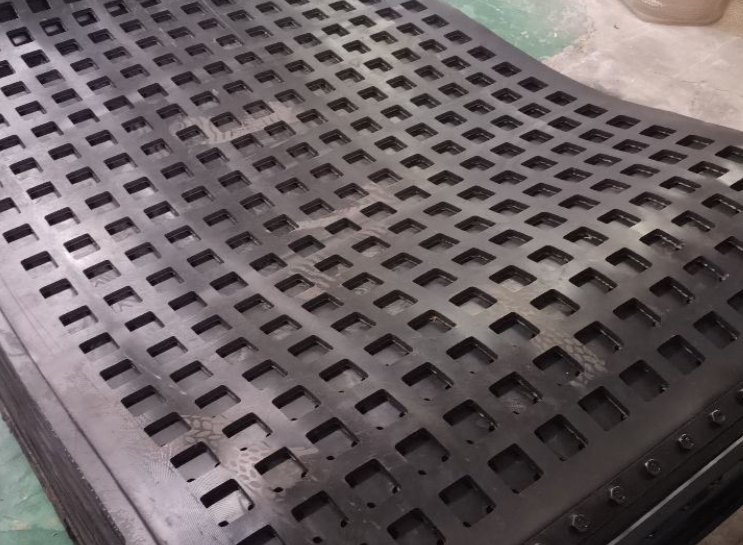
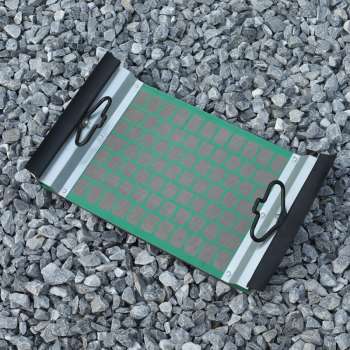
using a cross-tensioning pattern that locks the entire Tensioned rubber screen
surface flat and tight against the support frame. A simple visual check: after
tensioning, the rubber mesh should feel like a solid, firm drumhead across its
entire area, with no soft or wobbly spots when you press down with your
hand.
Double-Check Tension After the First 24 Hours of Operation
Even perfectly tensioned rubber screen mesh will relax slightly during the
first day of operation, as the rubber material settles and stretches under load.
If you skip the 24-hour re-tensioning step, you’ll end up with a loose mesh that
starts damaging itself the next shift. The rule of thumb is to run the screen
under full load for one full operating day, then stop the machine and re-tighten
all tension bolts by a quarter-turn to take up the slack. This small extra step
can add weeks to your screen’s service life.
Don’t Crank the Tension too Much or You Will End Up Cracking the Rubber
If there’s not enough tension, the screen gets loose and can take a beating
from impacts. But if you pull it too tight, the rubber can’t handle the stress —
tiny cracks start showing up along the edges or near the hooks. Once the screen
starts vibrating, those little cracks can turn into bigger problems fast,
leading to unexpected rips. To get it right, use the right tensioning tools or
follow the recommended settings. You want the screen tight enough to stay put,
but still a bit springy. That’s the sweet spot,secure but still flexible.
Field data from aggregate operations shows that sites following these three
tensioning best practices extend their average tensioned rubber screen life by
70% compared to operations that skip proper tensioning steps. This small upfront
installation effort is the easiest way to prevent costly, avoidable impact
damage from a loose screen.


Leave A Reply
By using form u agree with the message sorage, you can contact us directly now