Stainless Steel Anti-Clogging Screens For Corrosive Mining
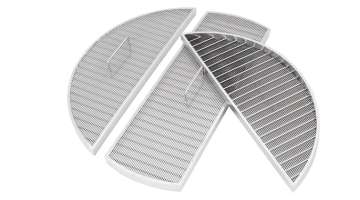
Corrosive mining materials are a quiet kind of trouble, because they do not announce themselves the way abrasion does, and a deck that looks sound at the start of a campaign can be losing section to corrosion long before anyone notices the cut has drifted. Stainless Steel Anti-Clogging Screens are made for that situation, pairing a corrosion-resistant alloy with a geometry that keeps apertures working, so the deck holds both its wire and its openings through a long campaign in a hostile feed. The alloy choice is not decoration, since the grade decides whether the wires survive the chemistry of the ore and the water, and the anti-clogging geometry decides whether the deck keeps separating at the cut it was set for. This article looks at what makes a mining feed corrosive, how stainless steel resists that attack, how the anti-clogging geometry keeps apertures open, and how a plant should match the screen to a corrosive duty.
What Makes A Mining Feed Corrosive
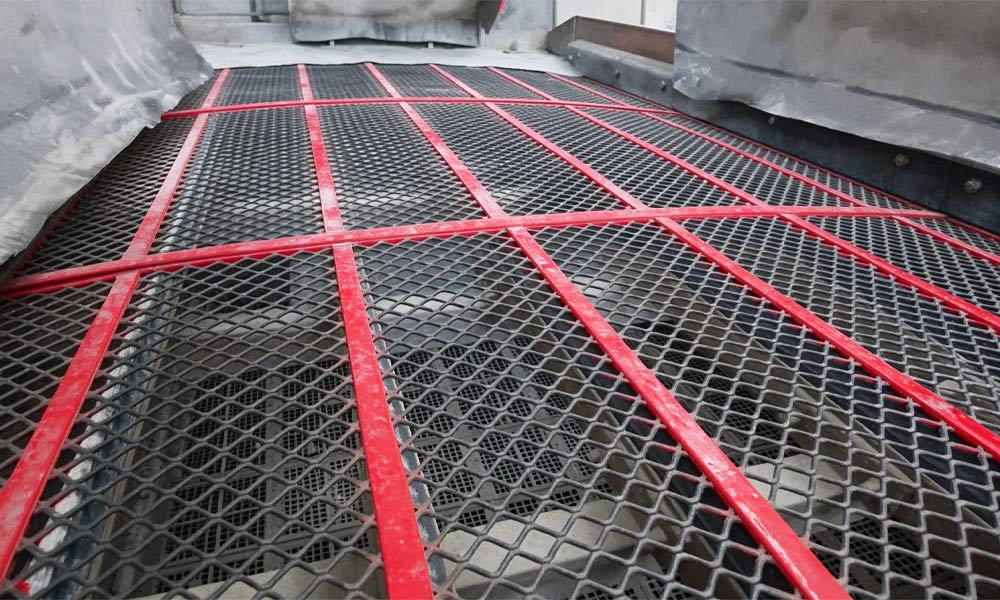
A mining feed is corrosive because a Stainless Steel Anti-Clogging Screens panel is exposed to chemistry as much as to load, and the chemistry comes from the ore itself and from the water that carries it. Sulphide ores oxidise in the presence of moisture and produce acidic conditions that attack ordinary carbon steel wire, and the attack is worst in the damp, fine fraction that clings to the deck rather than draining away. Chlorides from process water or from a saline site accelerate the attack further, and they are the reason a wire that performs well at one mine can fail quickly at another. The corrosion is also hard to see, because it thins the wire from the surface inward and the deck keeps its shape until the section is gone, so the failure arrives as a sudden break rather than a gradual warning. A corrosive feed is a duty where the screen is being eaten as well as worn, and the alloy has to be chosen for the chemistry.
How Stainless Steel Resists The Attack
Stainless steel resists the attack because a Stainless Steel Anti-Clogging Screens wire is made from an alloy that forms a passive surface layer which renews itself when it is disturbed. The chromium in the grade reacts with oxygen to build a thin, stable film over the wire, and that film is what separates the steel from the corrosive environment and slows the attack that would otherwise thin the section. The grade matters, since a molybdenum-bearing austenitic stainless will hold up in chloride conditions where a simpler grade would pit, and the choice has to follow the actual chemistry of the feed rather than a general assumption. The alloy also keeps its toughness as it resists corrosion, so the wire does not become brittle and snap under the vibration the deck imposes. Stainless steel is doing the work that a coating or a frequent replacement would otherwise have to do.
How The Anti-Clogging Geometry Keeps Apertures Open
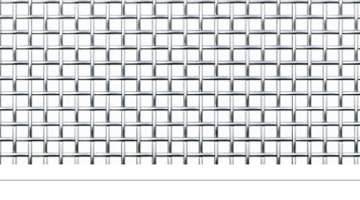
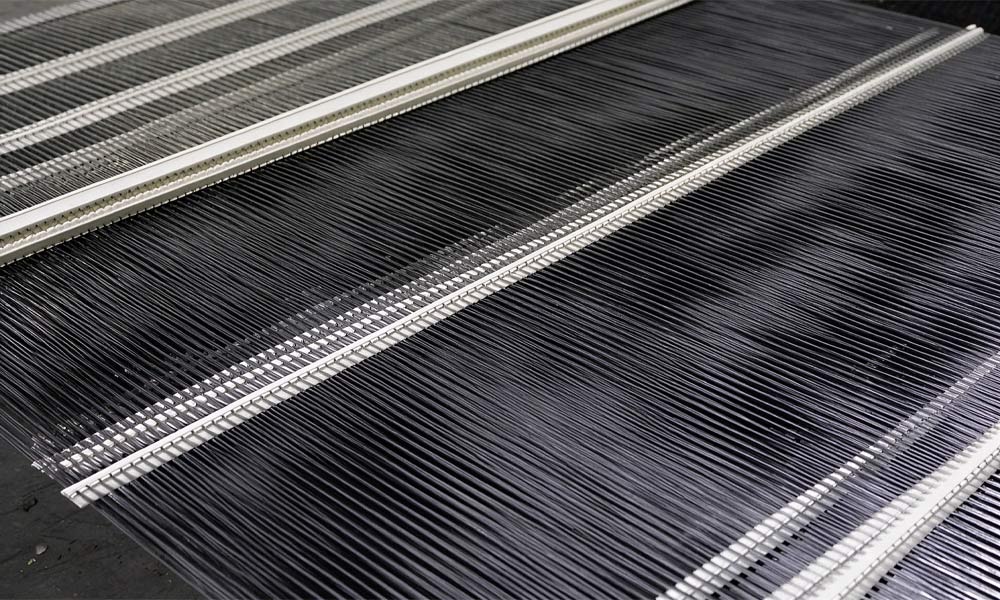
The anti-clogging geometry keeps apertures open because a Stainless Steel Anti-Clogging Screens panel is arranged so the openings are not static holes that a damp, sticky feed can settle into. The wires are set so they move relative to one another as the deck vibrates, and that relative movement disturbs a particle that has started to lodge before it can consolidate into a peg. The surface is also shaped so the material does not travel in a flat, settled layer, which reduces the time a near-size particle spends sitting over an opening and gives it fewer chances to wedge. Because the openings stay clear, the effective open area stays close to the design figure, and the deck keeps the capacity it was specified for rather than losing it as the corrosive feed loads the apertures. The geometry is what makes the alloy's corrosion resistance count, since a corroded wire in a static opening would still peg.
Matching The Screen To A Corrosive Duty
Matching the screen to a corrosive duty is what turns a Stainless Steel Anti-Clogging Screens specification into a deck that lasts, because the right grade for one mine is not automatically right for another. The chemistry of the ore and the water sets which stainless grade is needed, and a chloride-bearing site calls for a molybdenum-bearing alloy where a simple grade would pit and fail. The abrasiveness of the ore sets how much wire section is needed, since a highly abrasive feed will wear even a corrosion-resistant wire, and the life has to be judged against the replacement cost and the downtime rather than the purchase price alone. The moisture level sets whether corrosion or pegging is the dominant problem, and a very wet feed calls for a geometry that sheds water and fines as well as an alloy that resists the chemistry. Matching these factors to the duty is what keeps the deck working through a long campaign.
Corrosive mining materials attack a deck quietly, thinning the wire from the surface inward until the section is gone, and stainless steel anti-clogging screens answer that by forming a passive layer that renews itself and slows the attack. The alloy grade holds its toughness as it resists the chemistry, the anti-clogging geometry disturbs pegs before they consolidate, and the open area stays close to the design figure through the campaign. The screen is not a universal answer, and a benign, free-draining feed may be served by a simpler panel, but where the ore and the water carry acid and chloride, the stainless steel anti-clogging screen is often what keeps the deck separating rather than failing as the wire is eaten away.