Why Square Woven Screen Wire Fractures
If you’ve ever been standing on a processing plant deck mid-shift, watching chunks of broken screen wire tumble into your downstream crusher after a sudden unexpected screen failure, forcing you to shut down the whole circuit for an unplanned 3-hour emergency changeout, you know exactly how much unaddressed wire breakage can derail your production targets, waste maintenance labor and create expensive downstream equipment damage. Many plant maintenance supervisors I’ve worked alongside over the years shared that they used to treat random screen wire breaks as unavoidable bad luck, until they started systematically documenting failure patterns and found that 90% of these failures have predictable, preventable root causes that can be fixed with simple low-cost changes. This practical, field-tested guide skips generic marketing talking points and breaks down the most common root causes of square woven screen wire fractures, and the actionable, low-effort fixes you can implement today to eliminate almost all unexpected screen failures across your whole operation.
Over-Tensioning That Creates Excess Static Fatigue Load
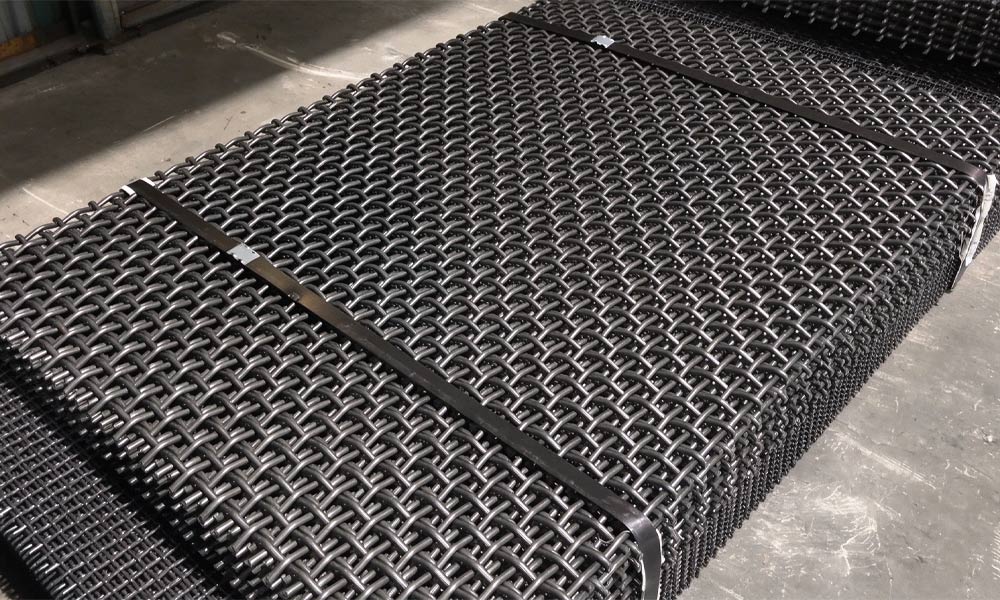
The single most common root cause that accounts for more than 40% of all preventable square woven screen wire fractures is improper over-tensioning during installation, which pulls the wires far past their designed safe static load limit before the deck even starts running. Many maintenance crews have been told for years that “tighter is better” when tensioning screen panels, so they crank the tensioning bolts far past the manufacturer’s recommended torque value, stretching the high-tensile steel wires past their elastic limit and creating tiny invisible micro-cracks at every crimped wire intersection. These micro-cracks do not cause immediate failure, but after just a few days of repeated high-frequency vibration, they propagate into full clean wire breaks that can tear across the entire panel in less than an hour. The simple preventive fix for this issue is creating a standardized installation SOP that requires your team to use a calibrated torque wrench to tension every screen panel exactly to the manufacturer’s specified torque value, and mark the tension bolt position with a paint marker so anyone can quickly spot if a panel has been over-tensioned during future maintenance checks.
Misaligned Deck Support Bars That Create Unintended Sharp Stress Points
The second most frequent cause of square woven screen wire fractures is misaligned, worn or missing deck support bars, which create sharp hard stress points that repeatedly flex and saw through the screen wires directly above them during normal operation. When your screen’s support bars get bent out of alignment, develop sharp burrs after years of use, or have missing sections from long-term wear, they stop providing even flat support across the entire underside of the screen panel, leaving narrow high-pressure contact points that concentrate all the deck’s vibration and material impact force onto a tiny single point on the screen wire. This repeated concentrated flexing action will saw a clean break through the wire in that exact spot in a matter of days, even if the panel was installed with perfect tension. The straightforward preventive solution is adding a 5-minute support bar inspection step to every single screen changeout SOP, where your maintenance crew checks every bar for alignment, sharp burrs and missing sections, then files down any sharp edges and re-aligns bent bars before they install the new screen panel. Many operations that added this quick inspection step found that their average screen service life immediately increased by 40% or more, with zero new stress-point related wire breaks appearing on their new panels.
Excess Large Boulder Impact That Overloads Wire Toughness Limits
The third very common root cause of square woven screen wire fractures is unregulated oversized boulder feed impact directly onto the screen surface, which delivers a single sharp force blow that exceeds the wire’s maximum impact toughness limit and snaps it instantly. This happens most often on primary scalping decks where large 200mm+ blasted rock boulders fall directly from the discharge end of the primary feed conveyor onto the screen surface from a 1.5-meter or higher drop height, delivering a concentrated shock load that the screen wires were never designed to absorb. These sudden impact breaks often create jagged broken wire ends that can tear through large sections of the surrounding mesh in seconds, creating huge unexpected holes in the screen deck. The easy, low-cost preventive fix for this issue is installing a simple set of staggered impact baffles at the screen’s feed inlet, which slows down and spreads out the incoming boulder stream across the full width of the deck, absorbing most of the initial impact force before the material ever touches the screen surface. This small modification drastically cuts the peak impact force that reaches the screen wires, eliminating almost all sudden snap breaks caused by large falling boulders, and can even extend your screen’s total service life by 2 months or more on high-volume primary scalping decks.
Uncorrected Resonance Vibration That Amplifies Wire Fatigue
The final often-overlooked root cause of recurring square woven screen wire fractures that many operations never identify is uncorrected deck resonance vibration, which creates repeated abnormal flex cycles that drastically accelerate wire fatigue failure. When your vibrating screen’s exciter motors fall slightly out of sync, or the deck’s rubber isolation springs get worn and lose their original tension, the whole deck can start operating at a resonant frequency that does not match the screen’s designed vibration rating, making the entire deck bounce and flex in abnormal patterns that the woven screen wires were never engineered to handle. This abnormal vibration makes the wires flex far more than they were designed to thousands of times per minute, leading to widespread premature fatigue breaks across the entire panel in just a few days of operation, even if the panel was installed perfectly and the support bars are in great condition. The simple preventive solution is adding a monthly 10-minute vibration health check to your plant’s preventive maintenance schedule, where your team uses a basic vibration meter to confirm the screen is running at its correct designed frequency, and checks the isolation springs for wear and the exciter motors for sync.
By systematically addressing these four most common root causes, you can eliminate more than 90% of all unexpected square woven screen wire fractures across your entire processing plant, drastically cutting unplanned downtime, reducing maintenance labor waste and extending your average screen service life by 50% or more, with almost no large capital investment required.