Square Woven Screen for Wet Ore
If you’ve ever pulled a 12-hour overnight shift at a wet mineral processing plant, watching your old screening deck choke up with thick sticky slurry and caked fine particles, while your downstream leaching or flotation circuit sits waiting for properly classified feed, you know exactly how much poor screening media performance can derail your whole week’s production targets and final metal recovery numbers. Many wet processing plant supervisors I’ve worked alongside over the years shared that they spent years cycling through expensive rubber and polyurethane screen panels that never delivered the right balance of throughput, sizing accuracy and wear life in constant slurry conditions, until they switched to a purpose-built square woven screen for wet ore, and immediately saw their deck’s effective operating efficiency jump from 58% to over 92%. This practical, field-tested guide skips generic marketing talking points and breaks down exactly how this purpose-built screen solves the most frustrating pain points of wet mineral processing screening, using real-world insights from teams that have tested every other media type on the market.
Self-Cleaning Open Grid Design to Eliminate Slurry Blinding
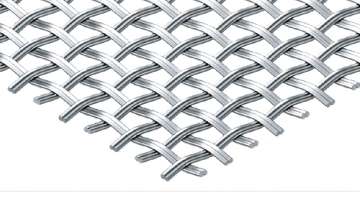
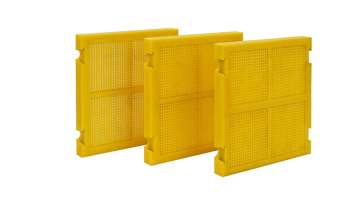
The first highest-impact design advantage that makes a purpose-built square woven screen for wet ore perfectly suited for constant slurry operation is its fully open, non-clogging square grid geometry, which solves the blinding problem that plagues almost every other screen media type in high-moisture workflows. Traditional polyurethane and rubber screening panels use small molded tapered openings that quickly fill up with sticky fine mineral particles, clay and heavy slurry paste after just a few hours of continuous wet operation, blocking more than 60% of the panel’s open area and cutting your deck’s throughput down to a tiny fraction of its rated capacity. This purpose-built screen arranges sharp, clean-edged square apertures in a repeating interlocked weave pattern that leaves no hidden crevices or tapered gaps for wet fine particles to settle and get trapped, so the high-frequency vibration of the deck can easily shake loose any semi-stuck material before it can build up and create a permanent blockage. Most operations that switched to this screen reported that their decks stayed at 90%+ effective open area across full 12-hour production shifts.
Corrosion-Resistant Coated Wire Construction for Long Slurry Service Life
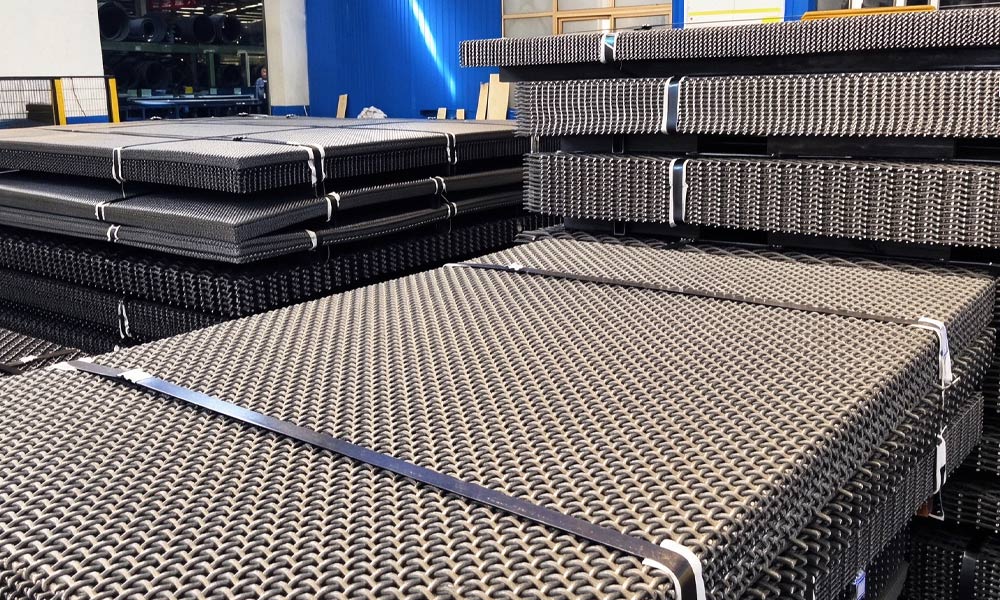
The second critical engineering feature that drastically extends usable service life is the specialized dual-layer coated high-tensile wire formulation built into every heavy-duty square woven screen for wet ore, which is engineered specifically to stand up to the constant exposure of acidic mine water, abrasive slurry and fluctuating pH levels that are unavoidable in wet mineral processing. Generic uncoated mild steel woven screens will start rusting and developing pitting corrosion after less than 10 days of continuous wet operation, creating rough uneven surfaces that catch fine particles and accelerate wear, until the panel tears through completely in less than 3 weeks. This purpose-built screen uses high-manganese spring steel wire that goes through a full hot-dip galvanization process first, then gets wrapped in a thin, flexible abrasion-resistant polyurethane coating that creates a complete waterproof barrier between the steel core and the corrosive wet ore slurry. This balanced design gives the screen 4 to 5 times longer total service life than uncoated standard woven screens, with most operations getting 80 to 110 days of continuous 24/7 wet operation out of every panel, drastically cutting down on the number of time-consuming screen changeouts your maintenance team has to perform.
Consistent Sizing Accuracy to Stabilize Downstream Circuit Performance
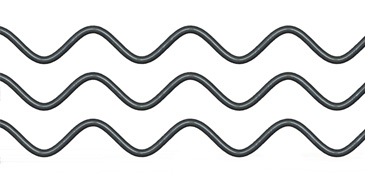
The third underrated operational benefit that delivers the biggest long-term financial gain for your plant is the perfectly uniform, non-deforming aperture geometry of a square woven screen for wet ore, which delivers far more consistent sizing accuracy than flexible rubber or polyurethane panels that warp and stretch under heavy slurry load. Most rubber and polyurethane wet screening panels will flex and sag under the weight of thick heavy ore slurry, distorting their original opening shape and creating large unpredictable gaps that let oversize material slip through into your downstream process, ruining your carefully calibrated particle size distribution for leaching or flotation. This purpose-built screen uses a fully interlocked pre-crimped weave that locks every single wire intersection completely solid, so no wire can shift, stretch or sag even under the full weight of a deep thick slurry bed, keeping every square aperture perfectly aligned to your exact target separation dimension for the entire full service life of the panel. This perfectly consistent sizing means your downstream processing circuit gets a uniformly graded feed every single hour of the day, eliminating the unpredictable swings in leaching efficiency or flotation recovery that used to make your final metal recovery rate swing up and down by 4% to 7% from shift to shift.
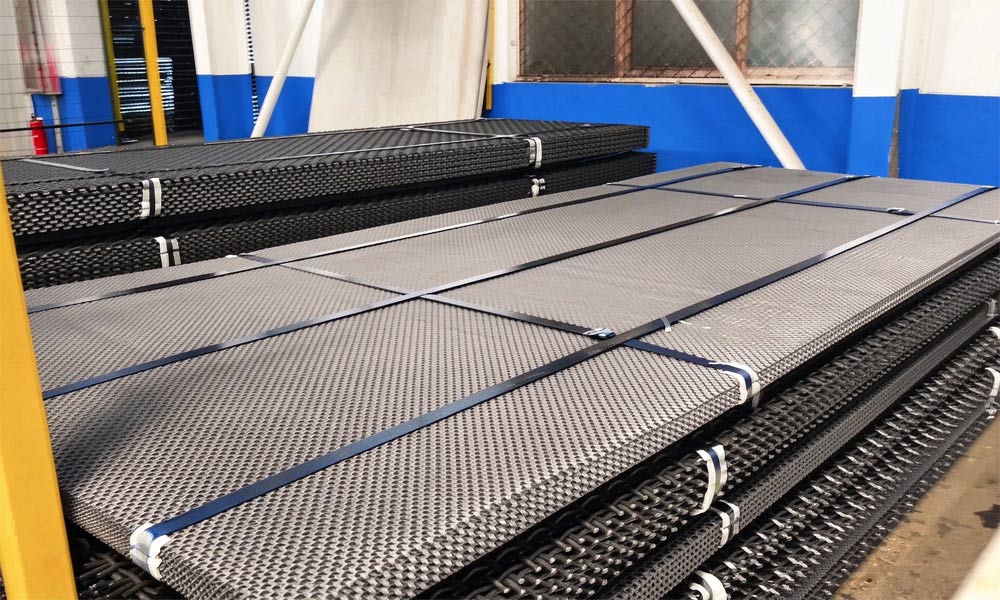
Lightweight High-Tension Design for Fast, Low-Labor Changeouts
The final practical, day-to-day operational advantage that most operations notice immediately after switching is the lightweight, hook-tensioned construction of a square woven screen for wet ore, which cuts the total time required for a full screen deck changeout down by more than 70% compared to heavy modular polyurethane panels. Most large wet mineral processing screening decks use heavy 30kg+ modular rubber or polyurethane panels that require 3 to 4 crew members to lift, position and bolt into place, leading to 3 to 4 hour long changeouts that create huge chunks of unplanned downtime. This purpose-built woven screen panel weighs less than 10kg for the same deck coverage area, so two maintenance crew members can carry, position, hook and fully tension a full 3-meter wide screening deck in less than 45 minutes total. This drastically reduces the total amount of time your plant spends offline for screen maintenance, letting you get back to full production far faster, and also reduces the risk of heavy lifting workplace injuries that are common during screen changeout work. The simple hook-tensioned design also means you do not need to stock a large inventory of specialized heavy panel mounting bolts and brackets, further cutting down on your plant’s spare parts storage and procurement costs.
For wet mineral processing operations that run 24 hours handling high volumes of sticky, abrasive wet ore slurry, a purpose-built square woven screen for wet ore solves almost all the most frustrating, costly pain points of traditional wet screening media, delivering a full return on your initial investment in less than 30 days of full continuous production operation.