Rubber Screening Panels: Anti-Blinding Solution for Wet Screening
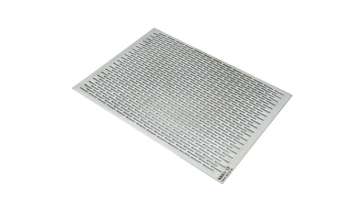
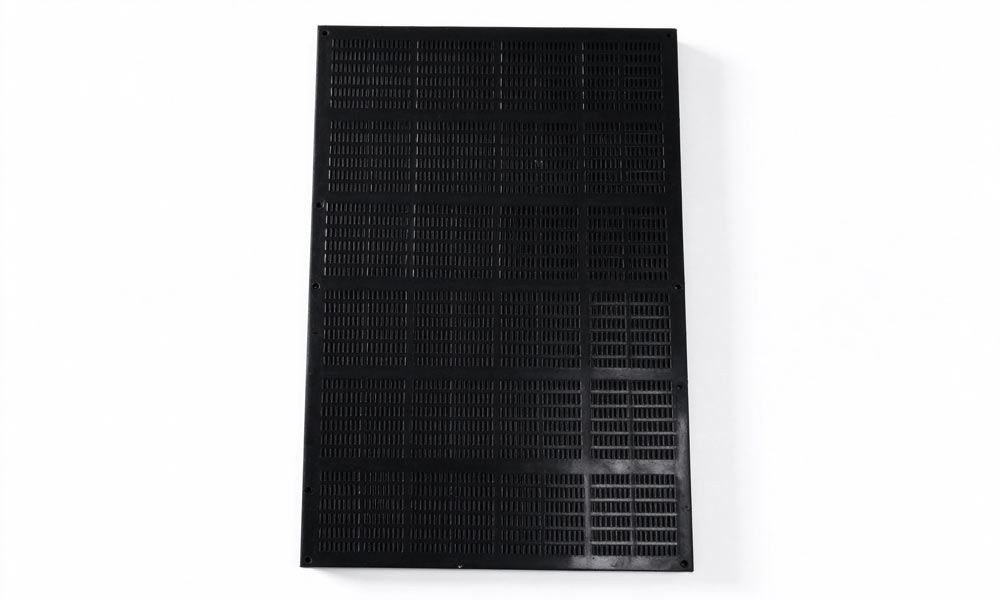
If you’ve ever spent a full shift troubleshooting a screening deck running on fully water-saturated, moisture-heavy material, you know the all-too-familiar, frustrating routine: sticky wet fines clinging to every surface, thick clay-coated ore lumps smearing across the deck, and sopping wet feed that locks every single aperture completely shut in just a few short hours. Standard steel decks barely last a full production shift before you have to hit the emergency stop, shut down the entire processing circuit, and send your maintenance team up to manually scrape every single clogged opening clear by hand just to get material flowing again. It’s brutal, unproductive work that eats away at your scheduled production output for no real gain. Processing sites burn thousands of unplanned labor hours every single year battling persistent blinding, and most end up shelling out huge sums of money for pricey high-pressure water spray systems mounted above the deck, which only pile on even more unnecessary headaches downstream, especially for your already overloaded dewatering and tailings management circuit. Standard woven steel mesh or perforated steel plate? Forget it, their rigid, sharp-edged openings plug completely solid and will not clear no matter how far you crank up the deck vibration amplitude. That is exactly where purpose-built Rubber Screening Panels designed exclusively for wet screening and anti-blinding operations come in. They are engineered from the ground up for high-moisture processing conditions, with flexible self-cleaning apertures, fully water-resistant rubber formulations, and a smooth surface that wet material simply cannot stick to. Even when your feed is completely soaked through with rainwater or process slurry, these panels keep material moving smoothly across the deck without jamming up.
Flexible Apertures Automatically Shake Out Packed Wet Fines
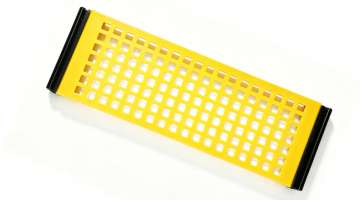
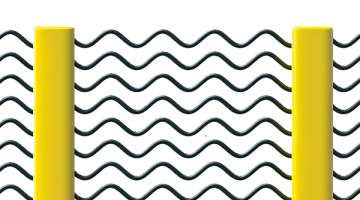
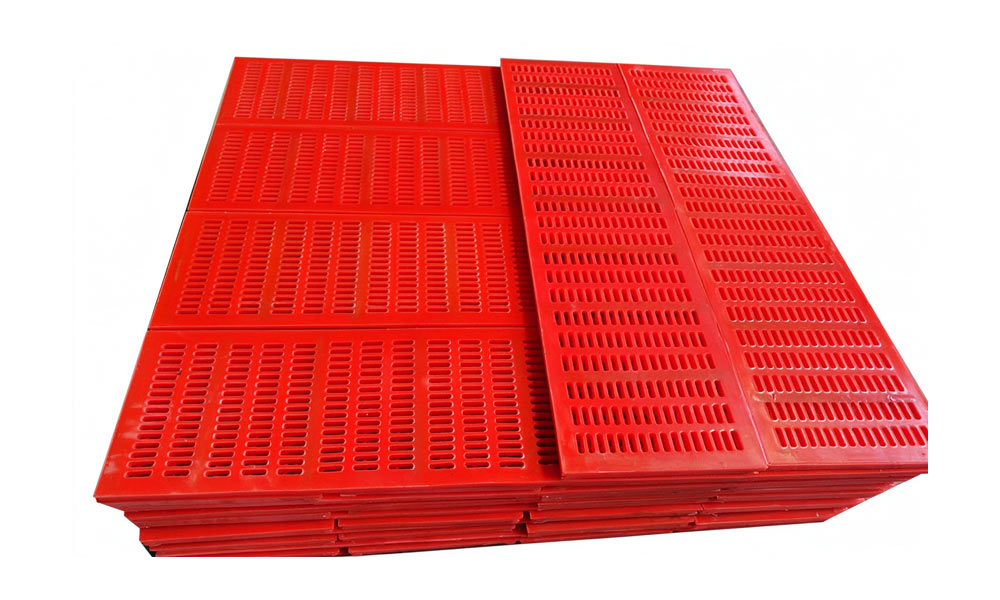
Rubber Screening Panels flex with every single stroke of the deck vibration, shaking loose wet fines that would otherwise wedge themselves completely solid and clog up a standard steel screening deck entirely. The soft, elastic rubber edges around every single opening actually stretch and deform slightly with every movement of the machine, unlike the completely dead, rigid sharp edges on standard steel screening media. So when small damp wet fines wedge themselves partway through an aperture, those constantly flexing rubber edges break the material’s tight grip on the sides of the opening and knock it free automatically, no manual scraping, no poking, no production shutdown required at all. Even extremely silty, damp fine sand that would jam a steel mesh aperture completely solid in minutes will keep flowing freely through these flexible rubber openings, with no thick solid packed layer building up across the deck surface to block separation. Most operations that make the switch see blinding-related unplanned downtime disappear almost overnight, with 70% or more of that wasted lost production time completely gone, and your maintenance crews do not have to climb over a running vibrating deck with wire brushes and scrapers anymore, which also gives your site safety performance a huge, noticeable boost.
Non-Stick Surface Keeps Clay and Moist Fines Moving Freely
These purpose-built rubber panels use a specially formulated low-friction, non-stick rubber compound, and Rubber Screening Panels give wet clay and fine damp particles absolutely nothing to cling to, unlike the rough, porous, easily scratched surface of standard steel screening media. On a standard steel deck, sticky wet clay smears out across the entire panel face in a thin continuous airtight seal that shuts every single aperture completely closed in no time, but on this smooth dense rubber surface, that same wet clay slides straight across the deck without sticking, moving steadily toward the discharge end instead of building up on the screening surface. That means you can reliably screen far higher volumes of heavy clay-heavy weathered ore without ever having to stop production to scrape off sticky material build-up halfway through a shift. Some processing sites that used to have to run their entire ore feed through a pre-drying step just to get it dry enough to pass through a standard steel deck do not need that whole pre-treatment stage at all anymore, that entire costly, energy-intensive step is gone, and so is a huge chunk of unnecessary time and operating cost from your overall process flow.
Water-Resistant Construction Stays Tough Over Long-Term Wet Duty
These panels are not just some cheap generic rubber product slapped onto a screening deck to cut costs, Rubber Screening Panels built for continuous wet screening use a special custom synthetic-natural rubber blend that is engineered from the ground up for constant, unbroken exposure to water and process slurry. They do not soak up water, swell up, or go soft and mushy after weeks of use, they hold their exact original shape and full flexibility even after months of being partially or even fully submerged in thick mineral slurry. Cheap low-quality generic rubber panels will absorb moisture, swell up, and degrade quickly in wet conditions, losing their flexibility and their anti-blinding performance in just a few short weeks, but these purpose-built wet screening panels stay completely solid and dimensionally stable, keeping the exact same reliable anti-blinding performance they delivered on day one right up until the very end of their full service life. You never have to worry about panels warping, changing size, jamming, or getting stuck tight in your existing steel deck frame after weeks of nonstop wet operation.
Cut Down Or Fully Eliminate Wasteful High-Pressure Spray Systems
Rubber Screening Panels practically eliminate the need for those expensive, water-heavy high-pressure spray systems that most wet processing sites bolt above their screening decks to try to blast blinding material loose. They handle even the stickiest, wettest feed material all on their own, no constant high-volume water jets required. Instead of spraying hundreds of extra liters of water per minute just to try to keep your steel decks clear, and then having to deal with all that extra added water flowing through your entire downstream dewatering, thickener, and tailings circuit, you slash your total site process water consumption dramatically, ease the unnecessary extra load on every single downstream processing step, and cut a huge amount of unnecessary operating costs out of your whole plant. On the very rare extremely sticky, high-clay feeds where you still need a small number of light sprays, you can run them at a tiny fraction of the pressure and flow rate you had to use before, wasting almost no extra water at all.
You can stop letting constant wet screening headaches and persistent blinding run your whole processing operation ragged. Purpose-built Rubber Screening Panels deliver flexible self-cleaning apertures that automatically shake loose packed wet fines, a smooth non-stick rubber surface that shrugs off sticky clay and damp material, a fully water-resistant custom rubber blend that stands up to months of constant wet use, and they let you cut back or fully remove those water-heavy high-pressure sprays that weigh down your entire downstream process. Sure, for really tough, heavy-duty primary scalping decks processing huge oversized boulders you might still stick to thick perforated steel plate for maximum impact resistance, but for every wet sizing, fine dewatering, or wet classification deck in your plant, these panels keep material moving steadily, drop unplanned downtime fast, and make your whole wet screening circuit far easier, safer, and more efficient to run.