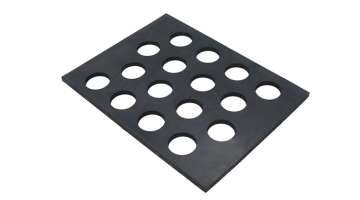
Rubber Screen Plates: Reduce Vibrating Screen Noise for Quarries
If you’ve ever worked a full shift on the floor of a quarry or a mineral processing plant, you know exactly how deafening the area around a bank of vibrating screens can get. The endless overlapping clanging, steel mesh banging hard against the metal deck frame, sharp aggregate smacking against the screening surface at full belt speed, and the low steady resonant drone of the vibrating motors all pile up until the total noise level is far above every standard safe occupational exposure limit. Most sites end up throwing huge amounts of money at band-aid solutions for this problem: top-tier graded hearing protection for every worker, thick custom sound insulation panels bolted all around the screening circuit, and strict rotating shift rules to limit individual worker noise exposure time. But none of these workarounds ever really stop the noise at its actual source, the vibrating screening deck itself, and crews still walk off every shift with ringing ears and mental fatigue that builds up day after day. Purpose-built Rubber Screen Plates change that completely. They are not just generic cheap rubber panels that happen to be marginally quieter than steel, these are engineered from the ground up specifically to absorb and dampen sound energy. The rubber formulation is tuned specifically to kill the exact kind of harsh high-frequency noise that causes long-term hearing fatigue and makes working near screening decks so physically and mentally draining.
Rubber Layer Takes the Hit—and the Noise
Rubber Screen Plates use a specialized high-damping, high-elasticity rubber compound that soaks up almost all the kinetic impact energy when rough sharp aggregate hits the deck surface at full processing speed. Unlike rigid steel screening media which basically acts as a big open echo chamber that reflects almost every bit of impact energy straight back out as loud sharp noise, the dense flexible rubber just absorbs that force and dissipates it as a tiny bit of completely harmless low-grade heat instead of sending out sharp, ear-splitting clacks that travel across the whole plant. Almost every operation that makes the switch to these noise-optimized plates reports that the high-frequency impact noise from aggregate hitting the deck drops immediately, by a full 15 to 20 decibels right out of the gate. That is an absolutely massive difference you can feel the second you step near the deck, suddenly people working on the walkway can actually talk to each other normally without yelling at the top of their lungs directly into each other’s ears.
No More Deck Rattle—Zero Metal-on-Metal Contact
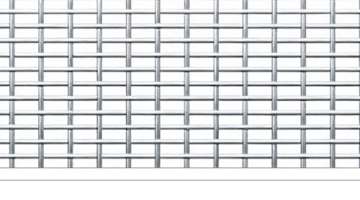
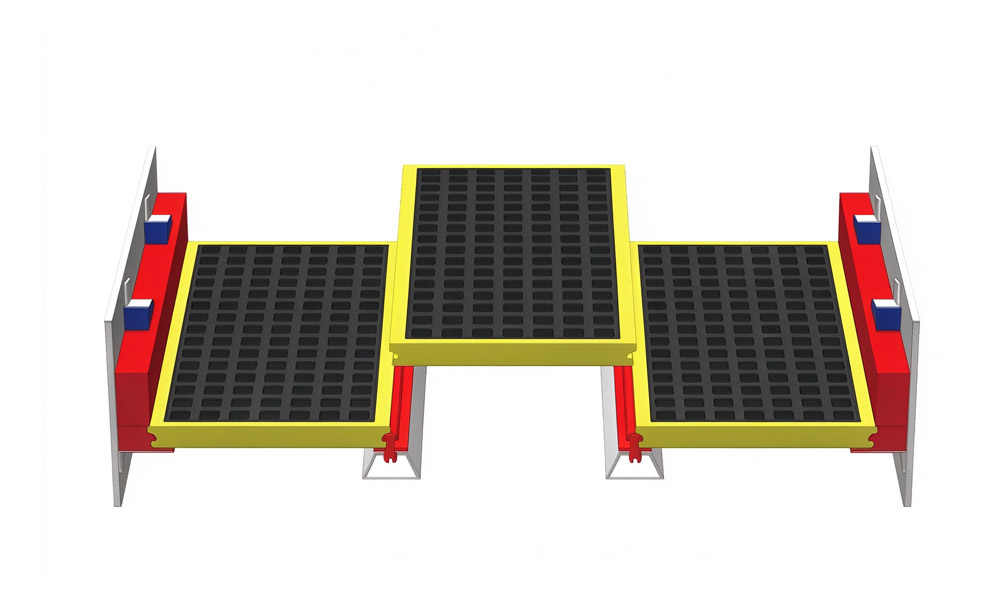
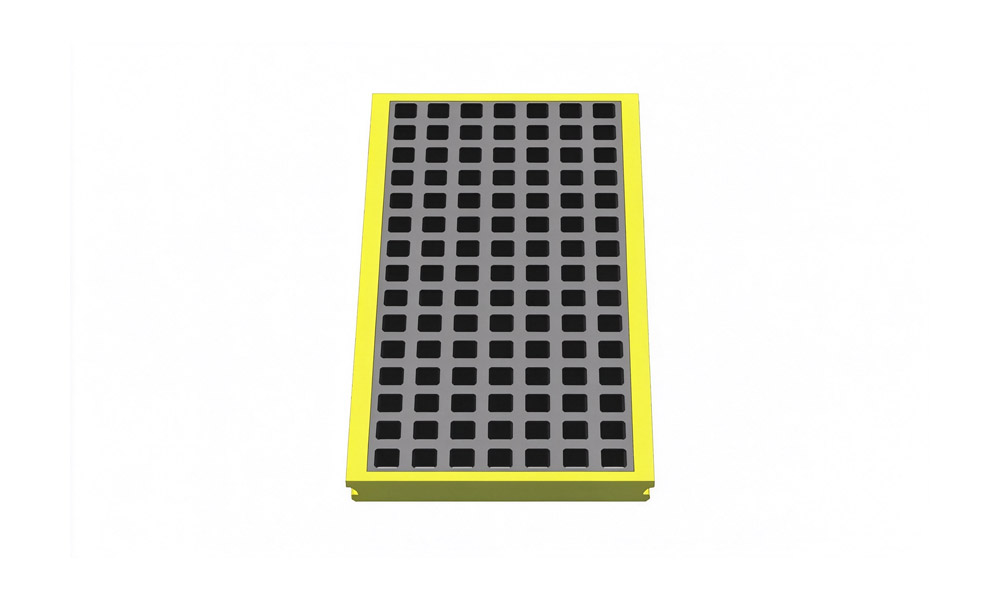
Traditional perforated steel plate and woven steel mesh rattle constantly, every single vibration cycle making the thin metal media rub, tap, and hum hard against the rigid steel screen deck frame, even when the deck is running completely empty with no feed material on it at all. Rubber Screen Plates have a thick, continuous flexible rubber surface covering every single inch of the media, right down to the interlocking mounting edges that snap and lock into the existing steel deck frame. The integrated rubber edge acts as a full soft shock buffer, so there is zero direct metal-to-metal contact anywhere between the screening media and the steel support structure. That awful, penetrating resonant rattle that cuts right through even the highest grade, most well-fitted ear protection and gives workers persistent throbbing headaches after a few hours? It is just completely gone. Many sites that make the full switch to these rubber plates often notice that the overall background noise level across the whole processing plant drops noticeably, not just right next to the screen deck, but even in walkways and control rooms that are several processing units away from the vibrating screening circuit.
Say Goodbye to That Annoying High-Frequency Whistle
Standard steel screen panels have sharp, thin, hard machined edges around every single screening opening, so when fast-moving small aggregate particles and high-velocity air flow fly through those tiny gaps at full speed, they create those piercing high-frequency whistles that travel for hundreds of meters across the whole site. Rubber Screen Plates use soft, rounded, flexible rubber edges around every single aperture that flex slightly as material and air pass through, breaking up that tight, focused air flow and stopping that piercing high-pitched noise cold. You do not lose any usable open screening area, you do not slow down your total material throughput, and you do not have to make any adjustments to your existing screen deck setup at all. It is a tiny, almost invisible design tweak that makes an enormous real-world impact, the single most annoying, far-carrying deck sound that used to irritate every worker on the whole plant floor is simply wiped out entirely.
Noise Reduction That Stays Strong For The Full Panel Lifespan
Rubber Screen Plates do not lose their noise dampening performance over time, unlike thin temporary rubber coatings or stick-on noise damping pads that scrape off or degrade after just a few weeks of heavy aggregate scouring. The high-damping rubber compound runs all the way through the full thickness of the panel, so even if the top surface wears down several millimeters after months and months of heavy continuous operation, the remaining rubber material still absorbs sound just as well as it did on the very first day you installed it. You never have to mess around with temporary add-on treatments, or re-coat the deck surface every few weeks to keep noise levels down. The consistent noise reduction performance sticks around for the full entire usable life of the panel, with zero extra ongoing maintenance work or hidden costs required from your maintenance team.
You do not have to wrap your entire vibrating screen circuit in thousands of dollars worth of expensive custom sound insulation, or force every crew member to wear bulky, uncomfortable full-shift ear protection to hit regulatory noise limits. Tackling the root cause of the noise right at the deck media itself works far better and delivers far more noticeable results. Rubber Screen Plates absorb the sharp impact sound of aggregate hitting the deck, stop all constant metal-on-metal rattling against the frame, eliminate that annoying far-carrying whistling from screen openings, and deliver steady consistent noise reduction performance for years. For heavy-duty primary scalping decks handling huge blasted rock lumps over 200mm, you will probably still need thick heavy manganese steel plates for maximum impact durability. But on almost all secondary, tertiary, and fine sizing decks, these rubber plates make it dramatically easier to hit strict occupational noise targets, and create a much healthier, far less exhausting working environment for every member of your site crew.