Precision Screen Manufacturing: Aperture Tolerance Control for High-Accuracy Classification
If you have ever run a high-accuracy classification circuit for fine mineral processing, pharmaceutical powder grading, or advanced construction aggregate production, you already know that even a tiny 2 to 3 percent deviation in aperture size can create massive, costly problems: oversize material slipping through to contaminate a full shipment, valuable fine product lost to tailings, or hours of wasted process time spent reworking out-of-spec material. After years of troubleshooting underperforming classification systems with process engineers across multiple industries, I have seen far too many operations waste months chasing inconsistent separation results, never realizing the root cause was not their vibrating screen settings, but poorly controlled tolerance variation in their screen media. This practical, field-tested guide breaks down how rigorous precision screen manufacturing tolerance control fixes these hidden issues, drawing on real on-site lessons that generic product marketing never shares, to help you unlock the consistent, high-accuracy classification your process demands.
Why Tight Aperture Tolerances Matter For High-Stakes Classification
Most operations underestimate how much even minor variation in aperture size can derail their classification performance, because the effect is often subtle and builds up slowly over thousands of tons of processed material, and this is the core problem that rigorous Precision Screen Manufacturing is designed to solve. If your target separation cut point is 1 millimeter, but 15 percent of the apertures on your screen are 1.3 millimeters or larger due to loose manufacturing tolerances, a huge volume of near-size oversize material will slip through undetected, ruining your finished product gradation even when your screen stroke, feed rate, and deck angle are perfectly calibrated. This kind of unrecognized tolerance variation also creates hidden process inefficiencies, because your team will waste weeks adjusting every other screening parameter trying to fix inconsistent separation results that are actually baked into the screen media itself. For high-stakes processes like fine mineral recovery or battery material grading, these small tolerance deviations can reduce total valuable product yield by double-digit percentages, creating millions of dollars in hidden lost revenue every year that almost no operations trace back to their screen media.
 Multi-Stage Tolerance Control Workflows For Woven Wire Media
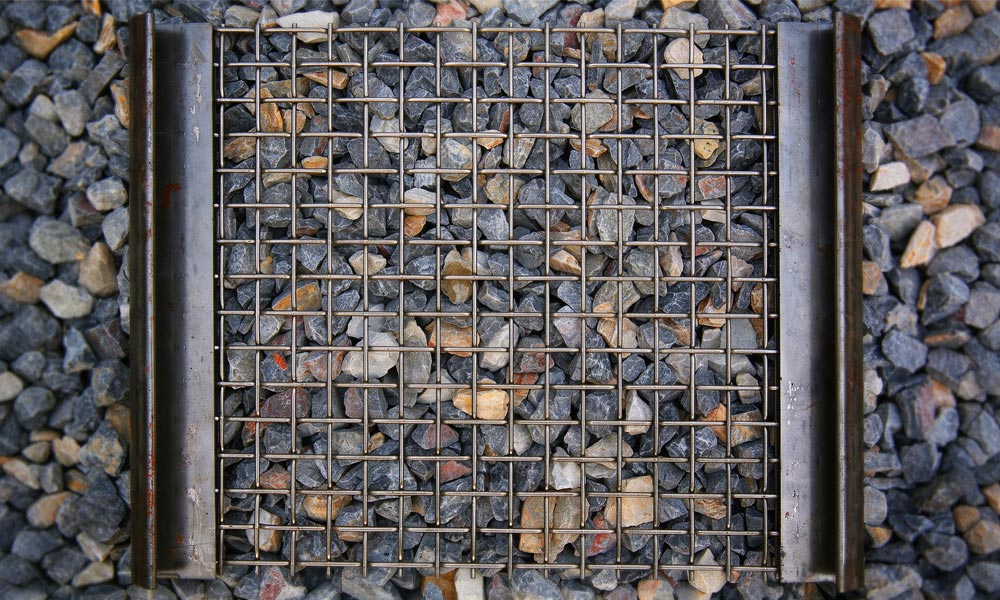
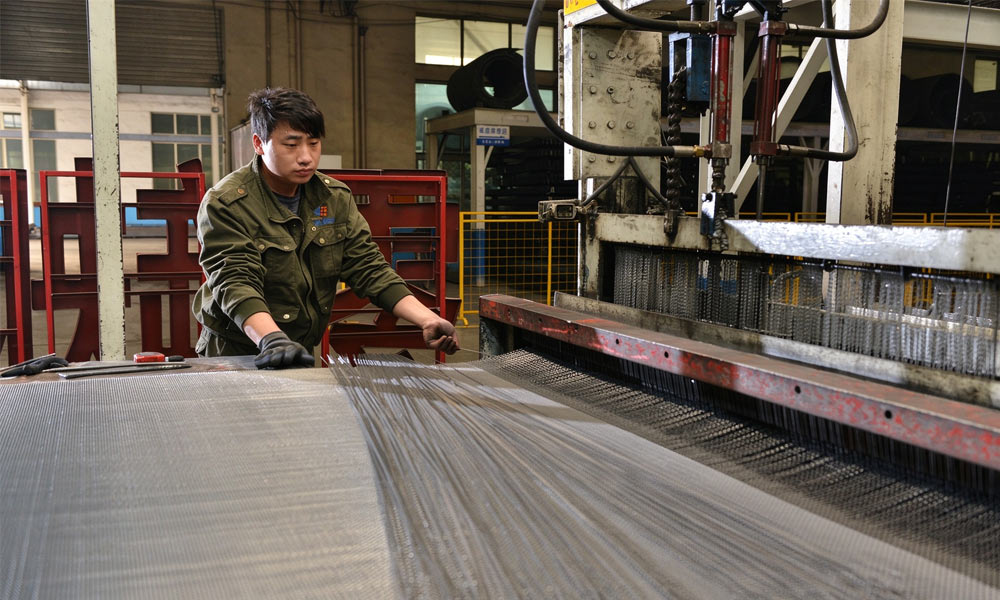
For traditional woven wire screen used in most high-accuracy classification duties, the biggest source of aperture variation comes from uneven wire tension during the weaving process, which causes individual wires to shift and create inconsistent opening sizes across the panel, and this is where a disciplined Precision Screen Manufacturing process eliminates almost all avoidable variation. Top-tier manufacturers use computer-controlled, servo-driven weaving looms that hold every single wire’s tension within a 1 percent tolerance range throughout the entire production run, so no wires stretch or shift unevenly as the mesh is woven, creating perfectly uniform square or rectangular openings across the full width and length of the sheet. After weaving is complete, every finished mesh sheet goes through a high-resolution optical scanning system that measures thousands of apertures across the entire surface, flagging any sections that fall outside the agreed tolerance band before the sheet is cut and formed into final panels. Many leading operations also add a stress-relief heat treatment step after weaving, which removes all residual tension built up in the wires during production, so the mesh will not stretch or warp after installation on your deck, preventing aperture sizes from drifting out of tolerance over the panel’s service life.
Molded Polymer Panel Tolerance Control For Fine Wet Classification
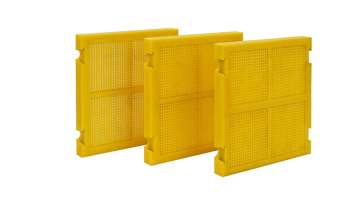
For wet fine classification duties where flexible polyurethane or rubber panels are the standard, the biggest source of tolerance variation comes from inconsistent mold alignment and uneven material shrinkage during the curing process, which creates distorted, misaligned apertures that break separation accuracy, and this is another area where rigorous Precision Screen Manufacturing delivers game-changing performance improvements. Instead of using low-cost, general-purpose molds that wear out after a few hundred production cycles, leading manufacturers use high-precision CNC-machined steel molds that hold every single aperture’s exact shape and position to within 0.05 millimeters of the design specification, and they replace these molds on a strict scheduled cycle long before wear can introduce any measurable variation. They also use tightly controlled, temperature-stabilized curing ovens that keep every panel’s cooling and material shrinkage rate perfectly consistent across the entire production run, so no apertures shrink unevenly or deform as the polymer sets. After production, every single finished panel goes through a dimensional verification step that checks both overall deck dimensions and every aperture’s exact size.
Real-World Performance Gains From Tight Tolerance Alignment
When you switch to screen media built with strict, controlled tolerances from a precision-focused manufacturer, the performance improvements on your high-accuracy classification circuit go far beyond just a small reduction in product contamination, and these are the tangible gains that make the small extra investment in Precision Screen Manufacturing deliver massive long-term returns. Your process team no longer has to constantly adjust feed rates, water flow, and screen settings to compensate for shifting cut points caused by inconsistent aperture sizes, so you can run at a stable, maximum sustainable tonnage 24/7 without unexpected dips in product quality. The perfectly uniform apertures also eliminate the localized high-wear spots that form around oversize openings, extending the average service life of your screen panels by 25 to 40 percent, because wear is distributed evenly across the entire deck surface instead of being concentrated in a few high-flow zones. Most operations that make this switch report that their valuable fine material recovery jumps by 8 to 15 percent, because no tiny near-size particles can slip through distorted, undersized apertures and get lost to the tailings stream, adding hundreds of thousands of dollars in extra recovered product revenue every single year.
At the end of the day, precision screen manufacturing with rigorous tolerance control is not just a fancy technical specification for niche applications; it is a foundational requirement for any operation that needs consistent, reliable high-accuracy classification performance day after day. Tight, well-controlled apertures eliminate the hidden, unrecognized root cause of most inconsistent separation results, letting your process team unlock stable maximum throughput, longer screen media life, and significantly higher valuable product yield that no amount of screen tuning or process adjustment can deliver with low-tolerance, inconsistent media. For operations that are tired of dealing with unexpected product contamination and lost fine material, investing in properly manufactured, tightly tolerance-controlled screen media is one of the lowest-effort, highest-return improvements you can make to your entire classification circuit’s long-term profitability.